Music as a Tool for Activism and Social Change
The Transformative Power of Music in Movements for Change
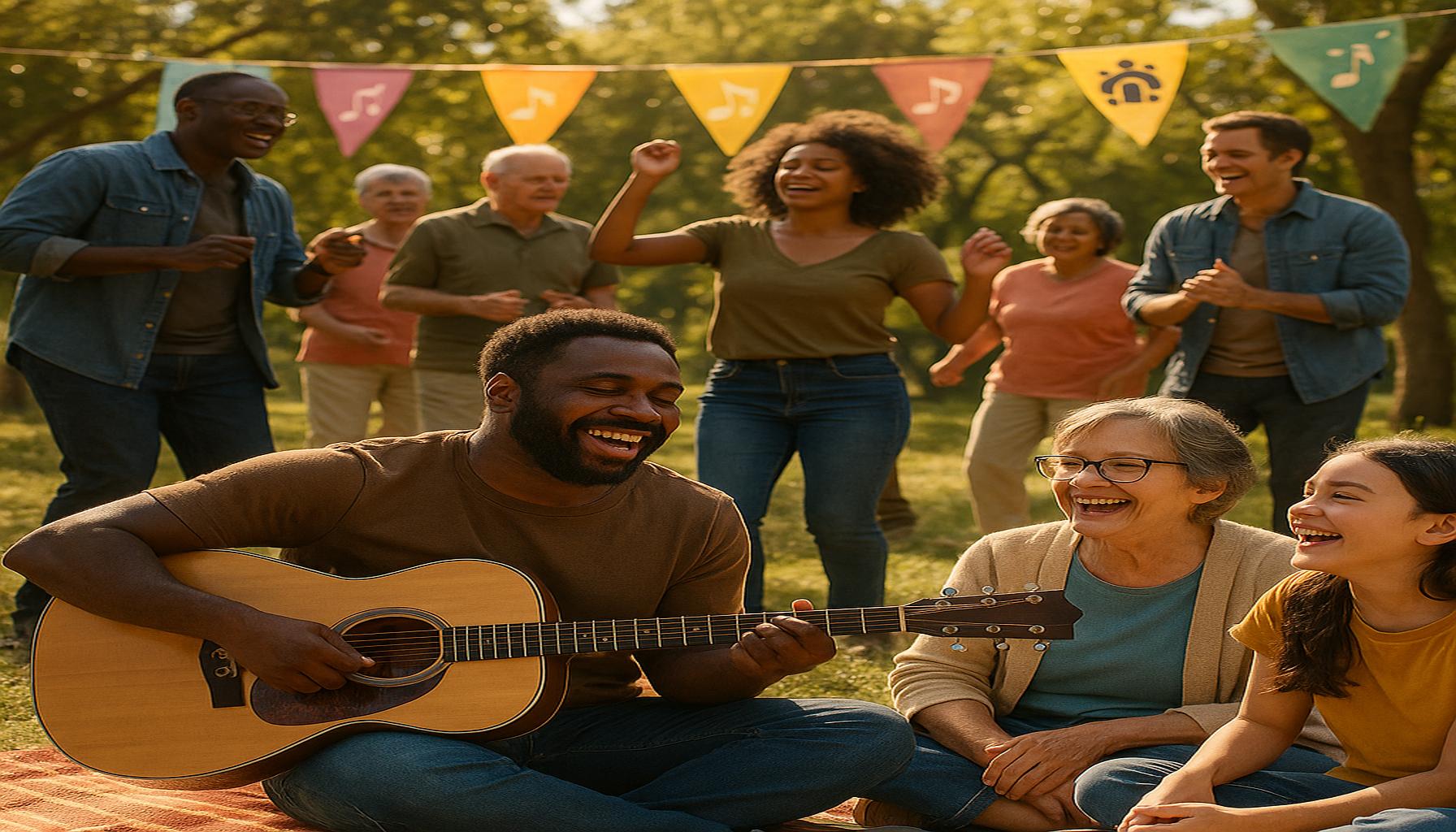
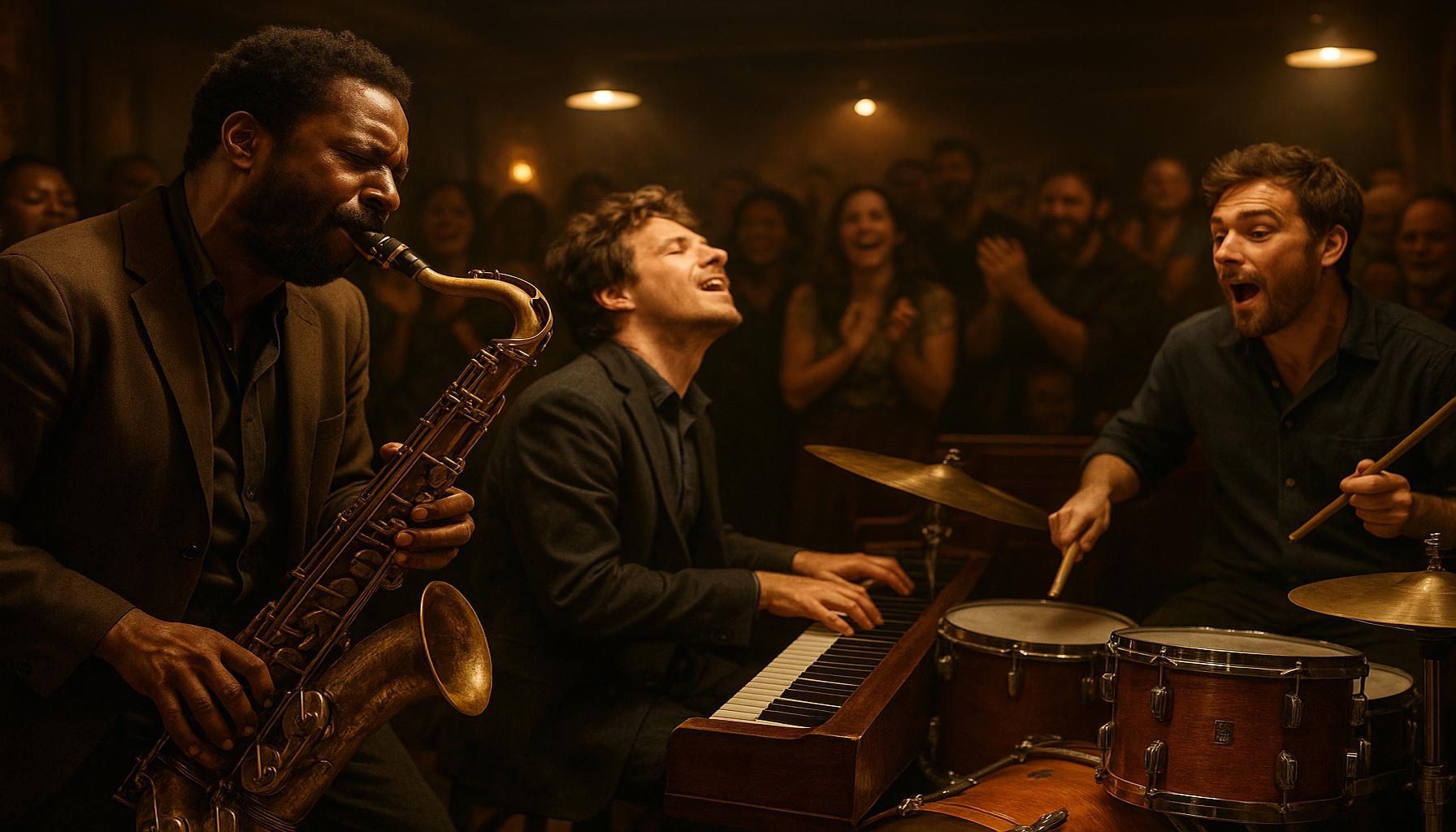
Across centuries and cultures, music has often served as more than just entertainment; it has been a powerful instrument for activism and social change. Songs have the unique ability to unite individuals, articulate deep-seated feelings, and inspire collective action. In the heart of social struggles, music emerges as a universal voice that transcends barriers, conveying messages that resonate across diverse communities.
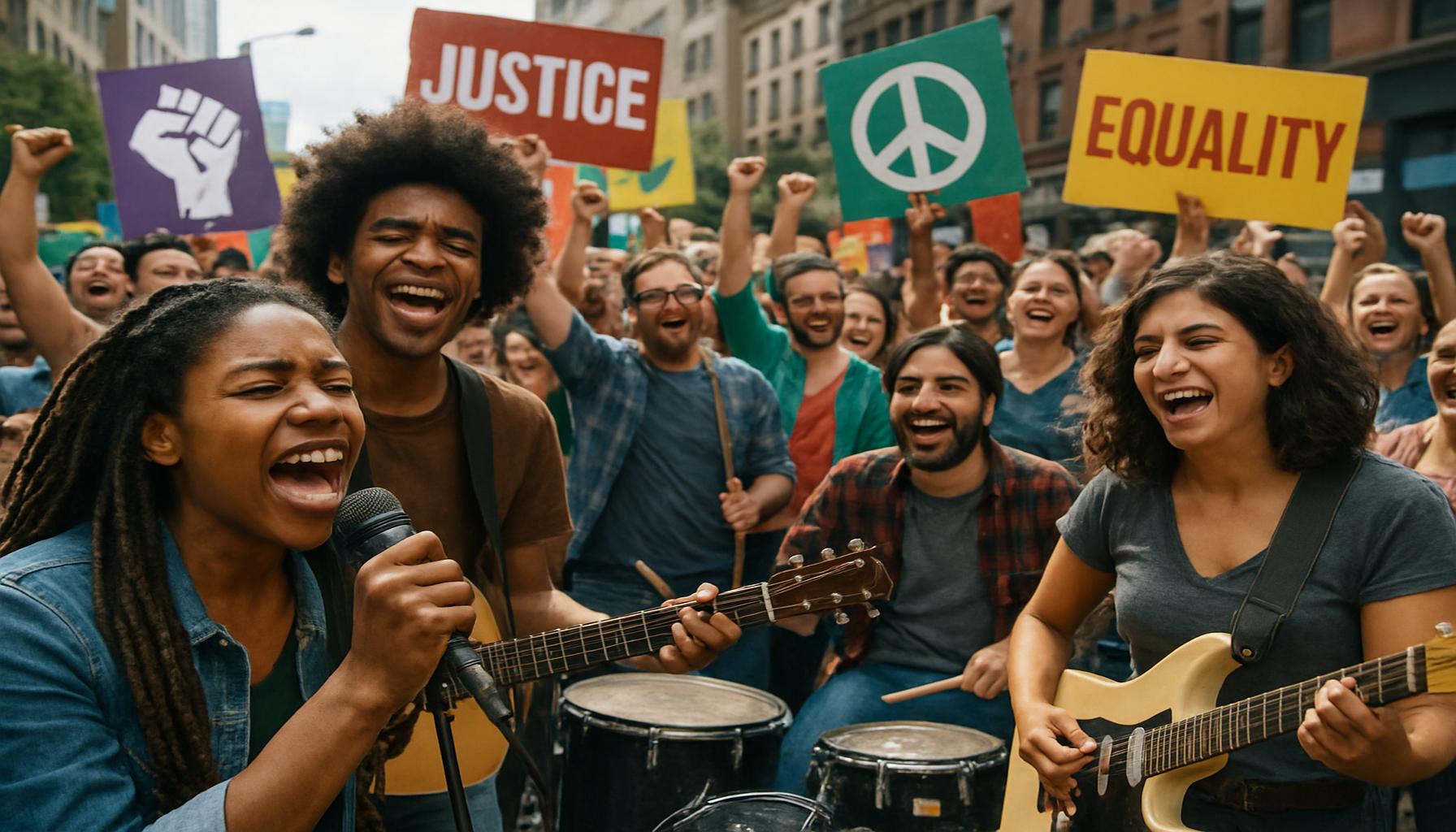
One of the most enduring forms of music-driven activism can be seen in protest songs. These powerful anthems have long been the soundtrack to social movements. For example, Bob Dylan’s “Blowin’ in the Wind,” released during the civil rights movement of the 1960s, posed poignant questions about peace, freedom, and justice, becoming a rallying cry for change. Similarly, Billie Holiday’s haunting rendition of “Strange Fruit” confronted the horrific realities of racism and lynching in America, delivering a stark and powerful commentary that still resonates today. Such songs evoke strong emotions, encouraging listeners to reflect on societal injustices and mobilize for action.
Another impactful avenue of music activism is through charity concerts. Events such as Live Aid in the 1980s and the One Campaign have utilized the star power of musical icons to draw attention to critical global issues. Live Aid, for instance, aimed to address the Ethiopian famine by uniting artists like Queen and U2, and it successfully raised millions for relief efforts. These concerts not only generate financial support but also ignite conversations around the challenges faced by the less fortunate, reminding audiences of our shared human experience.
In addition, many contemporary artists leverage their platforms to uplift marginalized voices through grassroots movements. For instance, Jay-Z and Beyoncé have both been vocally supportive of various causes, from Black Lives Matter to gender equality. Their music often serves as a catalyst for dialogue and change, encouraging fans to engage actively in activism and social justice initiatives. By integrating social commentary into their work, these artists inspire their listeners to consider their roles in creating a more just society.
In the digital age, the influence of music on social movements has expanded even further. Platforms like YouTube and Spotify enable artists to disseminate their messages far beyond traditional media. This accessibility fosters a generation of informed and engaged listeners who are eager to effect change in their communities and globally. With a click, music lovers can access a wealth of content that challenges the status quo, from hip-hop that confronts systemic inequities to folk tunes celebrating cultural heritage.
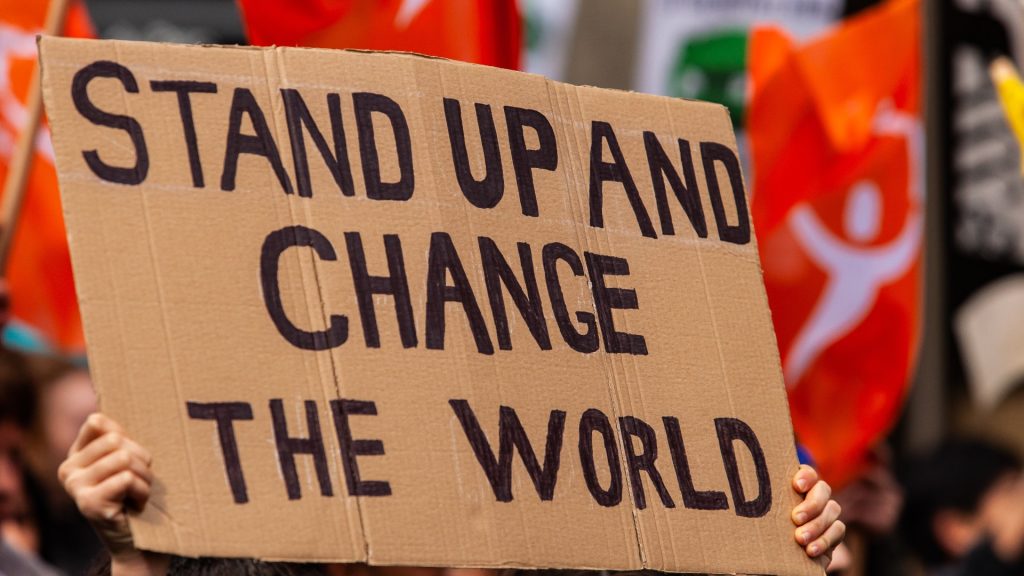
As we delve deeper into the relationship between music and activism, we will explore various genres and movements that illustrate how melodies can empower communities and influence social justice. From rock to hip-hop, each genre carries its unique narrative and purpose, echoing the struggles and triumphs of the times. Join us on this journey through sound, rhythm, and revolutionary ideas, discovering how music continues to shape our world and inspire us to dream of a better future.
DIVE DEEPER: Click here to explore various literary genres
Melodies of Resistance: The Role of Music in Social Movements
Throughout history, music has played an essential role in social movements, serving as a catalyst for change in times of struggle and hardship. The ability of music to inspire empathy, foster unity, and galvanize action has been recognized across various epochs and cultures. As society grapples with issues ranging from civil rights to climate change, songs often become the anthems of the fight for equality and justice. The connection between music and advocacy is not simply anecdotal; studies have shown that music can motivate individuals to participate in civic engagement, mobilizing them for collective action in powerful ways.
The significance of protest music is particularly striking, as it has historically emerged at the intersection of creativity and activism. Artists leverage their talents to convey poignant messages that reflect the sentiments of the oppressed, serving as a rallying cry to advocate for change. For example, during the Vietnam War, artists like Joan Baez and Country Joe McDonald utilized their music to articulate the anti-war sentiment prevalent among many Americans. Their songs resonated with the public and contributed to a growing movement that challenged governmental policies and the status quo.
Moreover, music festivals and events have evolved into platforms for advocacy. Festivals like Coachella and Woodstock were not merely about the music; they aimed to raise awareness and support for social movements. The connection between attendees and the artist’s message turns these spaces into breeding grounds for social activism. Artists are increasingly using their performances to spotlight issues, from environmental concerns to racial injustices, engaging audiences that might be unaware of these critical matters.
The power of music extends beyond traditional activism; it is also woven into the fabric of social media activism. In the digital realm, artists are able to reach vast audiences rapidly. Platforms like TikTok and Instagram have turned music snippets into viral sensations that carry significant political messages. For instance, the song “This is America” by Childish Gambino encapsulates the struggles of African Americans in a metaphorical whirlwind of sound and imagery, sparking discussions worldwide about race and gun violence in the United States. The accessibility of music online enables artists to connect with younger generations, encouraging them to engage in activism.
In this context, it is vital to explore specific genres that exemplify music’s role as a tool for activism. Here are some key genres and their contributions to activism:
- Hip-Hop: Known for its raw expressions of struggle, hip-hop artists like Kendrick Lamar and J. Cole tackle topics such as systemic racism and economic disparity through their lyrics.
- Folk Music: Folk artists like Pete Seeger and Woody Guthrie have utilized storytelling to shed light on social injustices, inspiring generations in the fight for civil rights.
- Punk Rock: This rebellious genre has often protested against authority, reflecting the frustrations of youth and marginalized communities through songs that call for political and social upheaval.
As we continue to explore the relationship between music and activism, it is crucial to recognize the profound impact music has had on social change. The stories of artists using their platforms to uplift marginalized voices and challenge the status quo illuminate the ongoing journey towards justice and equity. Music remains a vital force in mobilizing communities, representing not just the struggles of the past but also the hopes for a better tomorrow.
Exploring the Power of Music in Social Movements
Throughout history, music has played a pivotal role in social movements, serving as a rallying cry for change and promoting unity among diverse groups. From the civil rights movement with songs like “We Shall Overcome” to the anti-apartheid struggle with Hugh Masekela’s “Soweto Blues,” music has transcended barriers, inspiring individuals to act. In contemporary society, artists continue to leverage their platforms to address pressing issues, utilizing genres ranging from hip-hop to pop.
Genres and Their Impact
Every musical genre brings a unique style and message, shaping its ability to influence activism. For instance, hip-hop often tackles themes of inequality, using raw lyrics to shed light on systemic issues, while folk music emphasizes storytelling, connecting listeners to personal experiences of struggle. The rise of online platforms means that these messages can now reach a global audience, amplifying the voices of activists around the world.
Case Studies and Successful Campaigns
Consider how artists like Beyoncé and Kendrick Lamar have infused their work with social commentary, addressing issues like police brutality and gender equality. Their songs not only spark conversations but also mobilize fans and followers to participate in protests and campaigns. The integration of music with movements like Black Lives Matter illustrates the direct correlation between artistic expression and societal change.
The Emotional Connection
One of music’s most significant advantages in activism is its ability to evoke emotions. Songs can inspire hope, anger, and resilience, compelling individuals to engage with causes on a deeper level. The emotional resonance of music creates a shared experience, fostering a sense of community that rallies people around a common goal.
| Advantages | Description |
|---|---|
| Cultural Identity | Music preserves and promotes cultural history and values, fostering pride among communities. |
| Mobilization | Songs encourage action, acting as a call to rally individuals to support social movements. |
As we delve deeper into the interconnectedness of music and activism, it becomes evident that the melodies echo more than just notes; they resonate with purpose and passion, driving efforts toward meaningful change.
DIVE DEEPER: Click here to learn how to craft unforgettable characters
Soundtracks of Change: The Evolution of Activism Through Music
As the landscape of activism continues to evolve, music remains a powerful voice for those advocating for change. The intersection of technology, culture, and activism has led to innovative methods by which musicians engage and mobilize audiences. A prime example is the rise of digital activism, where musicians leverage online platforms to amplify their messages. Musicians like Hozier and Billie Eilish have used their considerable fan bases to promote movements such as Awareness Week for Mental Health and climate action, demonstrating the effectiveness of personal engagement through social media. Their music resonates with their followers, creating a communal understanding and often inspiring on-the-ground actions.
Another remarkable aspect of music’s role in activism is seen in the genre of reggae. Originating in Jamaica, reggae has long been associated with the struggle against oppression. Icons like Bob Marley and Peter Tosh used their music to address issues related to peace, social justice, and the fight against colonialism. Through their lyrics, these artists galvanized support for social movements, both locally and globally. The legacy of reggae not only underscores the transformative power of music but also illustrates how cultural production can be a form of resistance and empowerment.
Live performances serve as another vibrant avenue for activism. Concerts and benefit shows provide a platform for raising funds and awareness for various causes. For instance, the Live Aid concert in 1985 brought together famous musicians to raise funds for famine relief in Ethiopia. Similarly, events like Climate Live are dedicated to raising consciousness about climate change through musical performances. These gatherings not only raise significant funds but also create a rare space for solidarity among attendees, leaving lasting impressions that often lead to sustained activism beyond the event.
The emergence of music videos as a potent form of activism cannot be overlooked. They are more than just promotional tools; they are narratives that address social issues. The music video for “Praying” by Kesha, for example, speaks powerfully about survival and resilience against abuse and injustice. By visually depicting her journey and struggles, she has successfully created an emotional connection that resonates deeply with survivors and supporters alike. Such visual storytelling imbues the listener with a sense of urgency and understanding, broadening the scope of activism through a shared emotional experience.
- Indigenous Music: Indigenous artists often incorporate traditional sounds and messages into their work to advocate for land rights, cultural preservation, and environmental justice. Musicians like Buffy Sainte-Marie and A Tribe Called Red spotlight vital issues faced by Indigenous communities.
- Alternative and Indie Genres: Bands and artists within these genres frequently explore concepts of identity, political discontent, and social critiques, creating an accessible entry point for listeners to engage with activism. Groups like The 1975 and Fiona Apple are exemplars of this trend, using their lyrical content to engage, challenge, and inspire.
The link between music and activism is also evident in the impact of specific songs in contemporary movements. For instance, “Alright” by Kendrick Lamar has become an anthem for the Black Lives Matter movement, symbolizing hope and resilience amid systemic injustice. The pervasive catchphrase “We gon’ be alright” resonates through protests and rallies, showcasing how music continuously serves as a unifying force. By responding to current events and social issues, artists foster a cultural dialogue that underscores the intertwined nature of music and activism.
Ultimately, the role of music as a tool for activism and social change will undoubtedly continue to evolve. As public consciousness shifts and new issues arise, artists will adapt their creative expressions to reflect the changing tides, inspiring individuals to act and unite, thus contributing to the ongoing narrative of resistance and hope.
DIVE DEEPER: Click here to expand your writing horizons
Conclusion: The Enduring Impact of Music in Activism
In conclusion, music serves as a vital tool for activism and social change, weaving together diverse narratives of hope, resistance, and unity. Through powerful lyrics, compelling performances, and innovative digital platforms, artists harness their creativity to address pressing issues, energize movements, and engage audiences. From the emotive strains of reggae to the anthemic refrains of contemporary genres, the musical landscape is rich with messages that resonate with the struggles of marginalized communities and advocate for justice.
The adaptability of music in the realm of activism is what keeps it relevant. As technological advancements and social issues evolve, so too do the methods through which artists convey their messages. The rise of digital activism and the significance of social media platforms enable musicians to not only share their art but also connect with listeners in ways that foster community and incite real-world action. Moreover, the emotional connections forged through songs and music videos create lasting impressions that can galvanize supporters and inspire change.
As we look ahead, it is clear that the role of music in activism will continue to be vital. Artists will keep pushing the boundaries of creativity, reflecting current struggles, and helping society navigate its challenges. Ultimately, by recognizing the profound influence of music on social movements, we deepen our understanding of its power to inspire and unify, reminding us all of our shared human experience in the pursuit of equity and justice.