Oral History Scripts: Tales and Legends that Shape Nigerian Identity
The Heart of Nigeria’s Cultural Narrative
Nigeria’s diverse culture is profoundly shaped by its rich oral traditions. Through compelling narratives, these stories provide insight into the values, beliefs, and history of various ethnic groups across the nation. Oral histories serve not only as a means of entertainment but also as a vital tool for preserving cultural identity and promoting unity among Nigeria’s multifaceted groups.
Oral history scripts are more than just tales; they encapsulate:
- Historical events: Key moments that have defined communities, such as the arrival of colonial powers or significant local rebellions, are narrated in a way that connects generations. For instance, the resistance against British colonial rule is a recurring theme in many stories told by the Igbo people, reflecting their resilience.
- Life lessons: Moral teachings passed down through generations are often embedded within these narratives. A popular figure, the tortoise, serves as a poignant reminder that wit and intelligence can triumph over brute strength, a lesson that resonates across various cultures in Nigeria.
- Legends and myths: Intriguing stories that explain natural phenomena or cultural practices abound in Nigerian lore. An example is the Yoruba tale of the creation of the world by Obatala, which intertwines spiritual beliefs with natural elements like rivers and mountains.
From the ancient tales of the Igbo and Hausa to the rich folklore of the Yoruba, each region contributes to a collective Nigerian identity. These stories preserve the essence of humanity through their exploration of love, bravery, conflict, and resolution. The tale of “Tale of the Three Brothers,” popular among the northern Hausa, highlights themes of loyalty and the consequences of jealousy and greed, reinforcing the communal values cherished by the society.
As we delve deeper into oral history scripts, we unveil their enduring impact on contemporary society. These narratives not only foster a sense of belonging but also challenge us to understand our roots and appreciate the diverse cultural fabric that defines Nigeria today. In a rapidly globalizing world, these stories serve as a reminder of the importance of heritage and the unique experiences that shape national identity.
Furthermore, oral histories are increasingly being documented through various media, including books, films, and digital platforms, expanding their reach to younger generations. Initiatives such as storytelling festivals and community gatherings are becoming vital in revitalizing interest in these traditions, ensuring that the rich tapestry of Nigerian culture continues to thrive. By exploring these narratives, individuals can better appreciate the complex interplay of history, tradition, and modernity that characterizes this vibrant nation.
LEARN MORE: This related article may interest you
Narratives that Transcend Time and Space
The power of oral history scripts in Nigeria lies in their ability to transcend time and space, binding generations through shared experiences and wisdom. These stories are often recited during communal gatherings, celebrations, and festivals, providing an immersive experience that captivates audiences and reinforces communal ties. As an example, the traditional New Yam Festival celebrated among the Igbo people not only marks the beginning of the harvest season but serves as a stage for rich storytelling, where elders share tales that highlight the significance of agriculture and gratitude.
The narratives found in oral history scripts often intersect with Nigeria’s diverse geography, highlighting the unique essence of various regions. For instance, in the southeastern region, tales of the Nri Kingdom encapsulate the Igbo concept of kingship and justice, illustrating how rulers were seen as custodian of the people’s welfare. In contrast, the folk stories of the Hausa of the north frequently emphasize themes of enterprise and community cooperation, vividly portrayed in the tale of Jaja of Opobo, which illuminates trade, conflict, and resilience.
Among the Yoruba, oral histories fuse spirituality with the cultural landscape, as exemplified by the myth of Shango, the deity of thunder and justice. This tale not only serves to glorify the power of nature but also embodies the struggle for justice and integrity that resonates with modern societal challenges. By exploring these myths and legends, one can witness the profound influence they have on shaping community values and guiding moral conduct.
Moreover, oral history scripts are often framed with specific linguistic styles that enrich the storytelling experience. The use of proverbs, similes, and metaphors within these narratives tends to elevate their educational and entertaining qualities, making new meanings accessible while preserving the depth of the original message. Nigeria’s linguistic diversity, with over 500 languages, facilitates the expression of cultural uniqueness in storytelling, ensuring that every ethnic group has a distinct voice.
- Preservation of Knowledge: Oral histories serve as a repository of knowledge, safeguarding history and ensuring that valuable lessons are not lost to time.
- Community Cohesion: Shared stories foster a strong sense of belonging, reinforcing social identity among community members and bridging gaps between generations.
- Adaptive Resilience: These tales often recount survival strategies that reflect the historical contexts of various ethnic groups, offering insight into how they have navigated challenges.
In investigating Nigerian identity through oral history scripts, one uncovers a complex tapestry of experience, wisdom, and resilience. Each story speaks to the collective consciousness of a people shaped by their past yet fluid enough to adapt to contemporary realities. As such, oral traditions remain an invaluable part of the Nigerian cultural framework, illuminating the path forward while honoring the rich historical legacy of the nation.
Oral History and Its Impact on Nigerian Identity
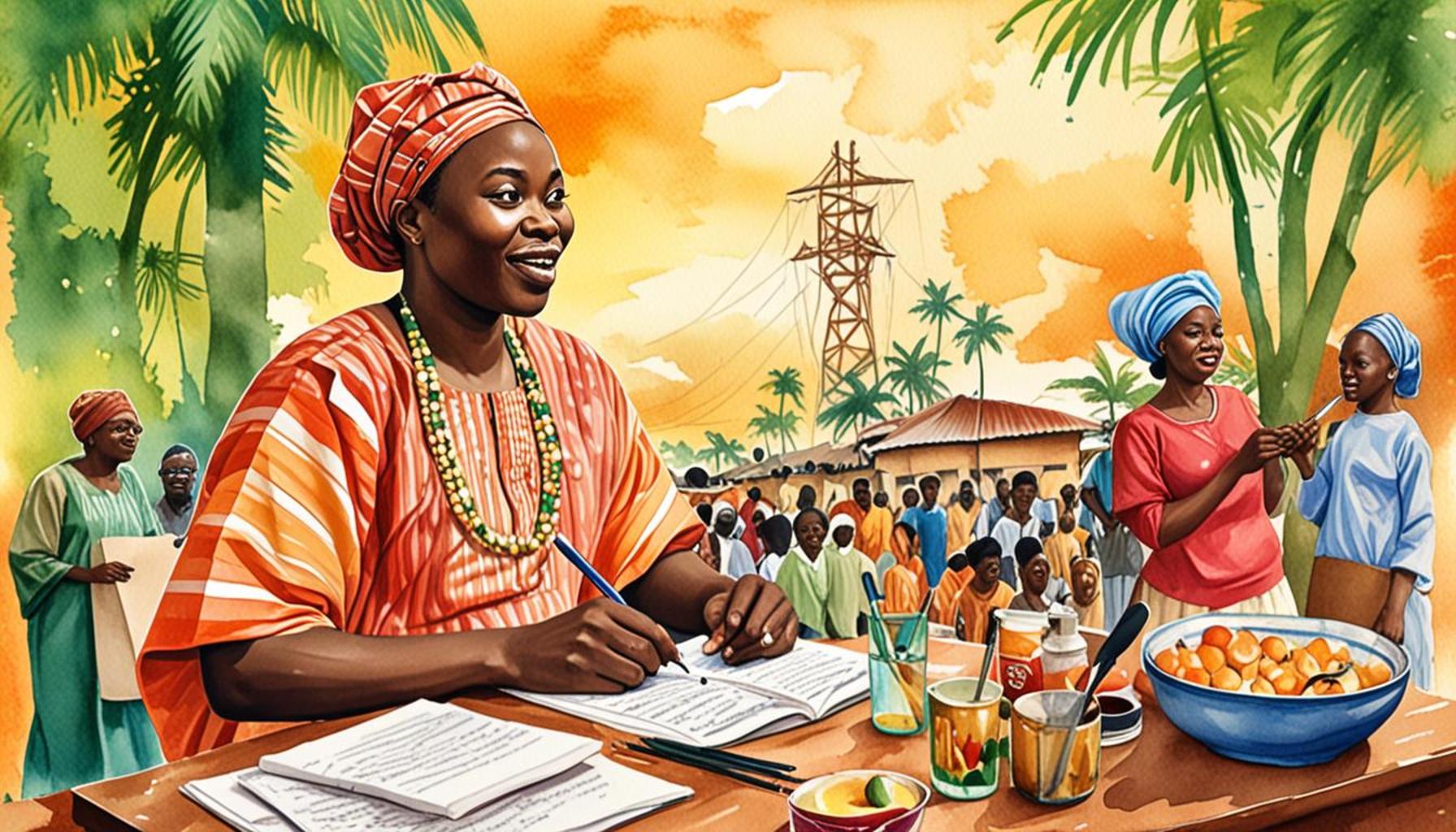
The vast and rich tapestry of Nigeria’s cultural heritage is interwoven with oral histories and legends that reflect the identities of its diverse ethnic groups. As a medium, oral history serves not just as entertainment but as a vital tool for cultural education and the preservation of traditions. These stories, often passed down through generations, provide insight into the ancestral past and connect individuals to their roots. They convey significant morals, societal norms, and the unique characteristics of various communities, showcasing the complexities of the Nigerian identity.Understanding Nigerian identity through oral history scripts requires an appreciation for storytelling as an art form. Storytellers, or “griots,” hold a revered status in many cultures, revered for their ability to articulate and preserve the cultural histories of the people. Their narratives often revolve around heroic figures, historical events, and the legends that shape societal values. For instance, the tales of Queen Amina of Zazzau are not only entertaining but also emphasize themes such as courage, leadership, and the empowerment of women in historical contexts. Moreover, oral history enriches the national discourse by linking past events with contemporary issues, fostering a sense of unity among the various ethnic groups within Nigeria. In this way, oral narratives contribute to a collective memory, one that highlights the strengths and challenges faced throughout history. The preservation and sharing of these tales can inspire future generations to engage more deeply with their cultural identity and develop a mutual respect for the diverse narratives that make up the Nigerian experience.
| Category | Advantages |
|---|---|
| Cultural Preservation | Oral history preserves the unique traditions and customs of Nigerian ethnic groups, ensuring their survival. |
| Community Identity | These stories foster a sense of belonging among communities, reinforcing shared values and histories. |
The ongoing interest in oral histories reflects a profound acknowledgment of their role in shaping both individual and collective identities in Nigeria. It encourages the exploration of the narratives that not only promote cultural richness but also pave the way for dialogue and understanding across the nation’s diverse populace.
ADDITIONAL INSIGHTS: Expand your understanding here
The Role of Oral History in Cultural Identity Formation
Oral history scripts do not just serve as mere entertainments; they are pivotal in the formation and reinforcement of cultural identity in Nigeria. These narratives encapsulate the essence of a community’s beliefs, traditions, and values, serving as an essential link between the past and the present. By recounting the triumphs and tribulations of ancestors, individuals within these communities find a sense of belonging and purpose, aligning themselves with a historical lineage that predates colonial influences. Consequently, they foster a cultural ethos that enhances resilience amid modern challenges.
For example, the renowned tales of the Ekiti people, often narrated during harvest celebrations, celebrate womanhood and fertility. They embody the idea that women are the backbone of society—custodians of culture and knowledge bearers. This narrative framework not only inspires pride among women but also encourages the community to uphold respect for feminine strength. Such stories serve to highlight social roles and expectations, thereby reinforcing cultural identity while navigating contemporary gender dynamics.
The Chronicles of the Benin Kingdom are another striking illustration of how oral histories can shape identity. The tales revolving around the Oba (king) often dramatize his role as a facilitator of peace and culture, intricately connecting the monarchy with the well-being of the community. By asserting that the Oba’s decisions are divined and supported by supernatural forces, these stories enhance the people’s reverence for their traditional rulers, fostering a cohesive communal identity grounded in shared leadership and governance ideals.
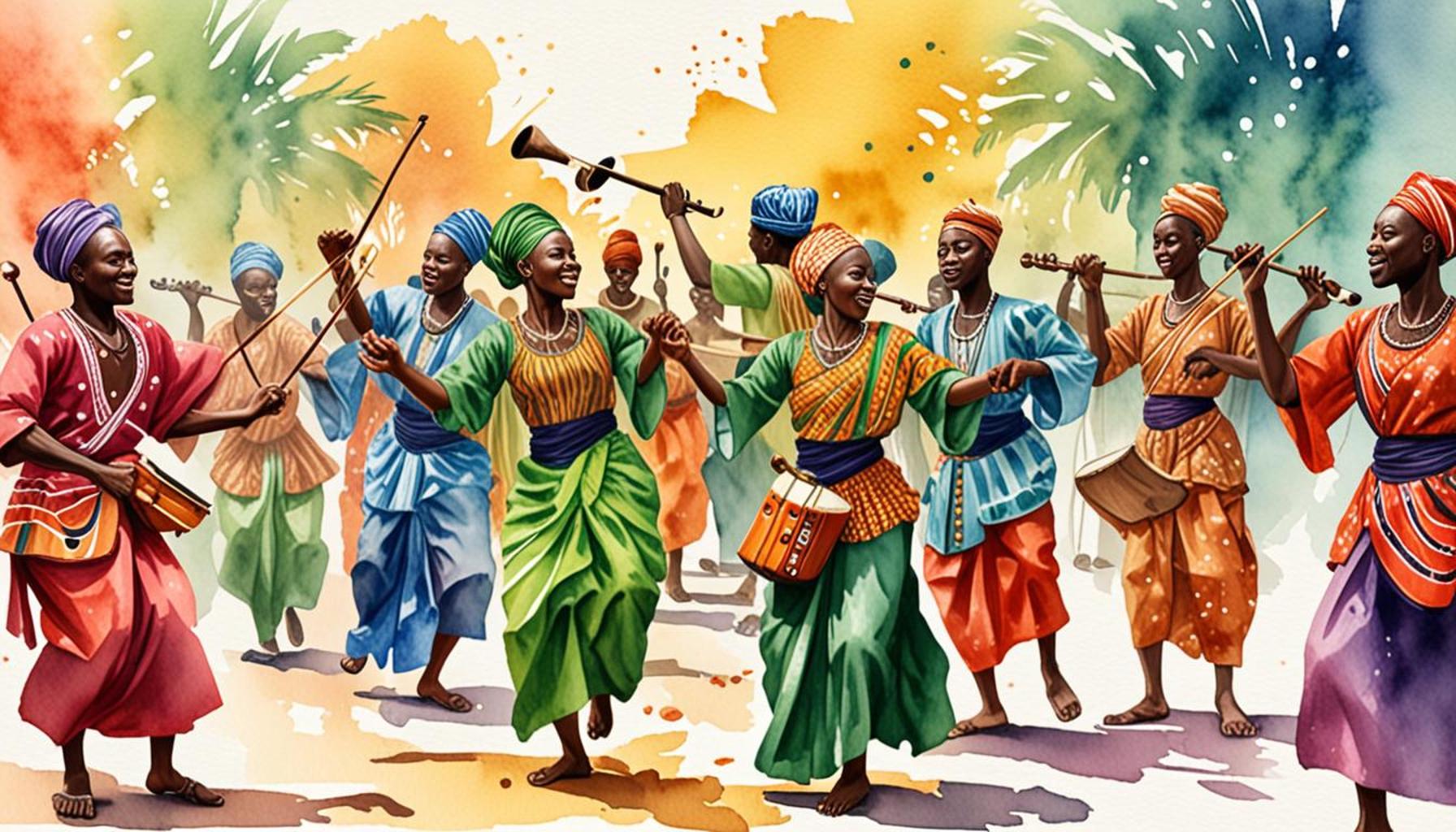
Moreover, the transmogrification of oral histories through performative arts—such as music, dance, and drama—adds a layer of experiential learning that resonates strongly within Nigerian culture. The energetic performances during events like the Gelede Festival allow for stories to morph into visual and auditory spectacles. This layered storytelling bridges gaps between generations, allowing the elderly to pass down important lessons while actively engaging younger audiences, thereby ensuring that the essence of these narratives is not only retained but also rejuvenated.
The emergence of multimedia technologies has further aided in the preservation and dissemination of these histories. Documentaries and podcasts focusing on oral traditions are becoming increasingly popular, as they provide platforms for marginalized voices and lesser-known tales to emerge. Initiatives like the Nigerian Oral History Project underscore the importance of capturing these stories—recording them in various languages and dialects—to maintain the diversity synonymous with Nigeria’s cultural fabric. This modern approach to oral history serves not just the purpose of preservation but also the celebration of Nigeria’s linguistic and cultural richness.
- Legacy of Resistance: Oral histories also encapsulate narratives of resistance against colonialism and oppression, empowering communities by connecting them with a legacy of struggle and tenacity.
- Intergenerational Learning: By creating platforms for elders to share their stories, communities cultivate respect for the elderly and recognize their contributions to cultural identity.
- Diverse Narratives: The multifaceted nature of oral histories encourages inclusivity, ensuring that all ethnic groups can find representation in the wider national narrative.
In this way, oral history scripts are a rich tapestry of narratives that shape Nigerian identity, intertwining the historical with the contemporary. They function as living documents that can evolve with society’s needs while remaining rooted in tradition, ensuring that the essence of Nigeria remains resilient in the face of change.
LEARN MORE: This related article may interest you
Conclusion: The Enduring Legacy of Oral History
As we delve into the intricate landscape of oral history scripts in Nigeria, it becomes unequivocally clear that these narratives serve as essential pillars of cultural identity. They are not merely relics of the past but vibrant expressions of storytelling that resonate deeply within the heart of Nigerian society. The remarkable tales of the Ekiti people and the impactful chronicles from the Benin Kingdom spotlight the rich themes of womanhood and governance, respectively, while simultaneously nurturing a profound sense of belonging amongst communities.
The diverse voices captured through modern mediums—from documentaries to podcasts—further amplify these stories, ensuring they transcend generations. They provide a platform for varied ethnic narratives, enriching the tapestry of Nigerian history and reflecting its multifaceted nature. Such inclusivity not only acknowledges the significance of different groups but reaffirms the idea that every story contributes to the collective identity of the nation.
Moreover, as we foster intergenerational learning through performative arts and the active participation of elders, it becomes evident that oral histories are invaluable in shaping societal values and norms. They empower individuals by linking them to their roots while inspiring resilience and adaptability in an ever-evolving world.
In conclusion, the essence of oral history scripts serves as a vibrant narrative that continues to mold and reflect the Nigerian identity. By embracing these tales, we not only preserve our rich heritage but also celebrate the enduring spirits of our predecessors, making room for a future that honors our past while welcoming new narratives that arise from our shared journey.