Religious and Spiritual Itineraries: Cultural Experiences in the Various Beliefs of Nigeria
The Cultural and Spiritual Mosaic of Nigeria
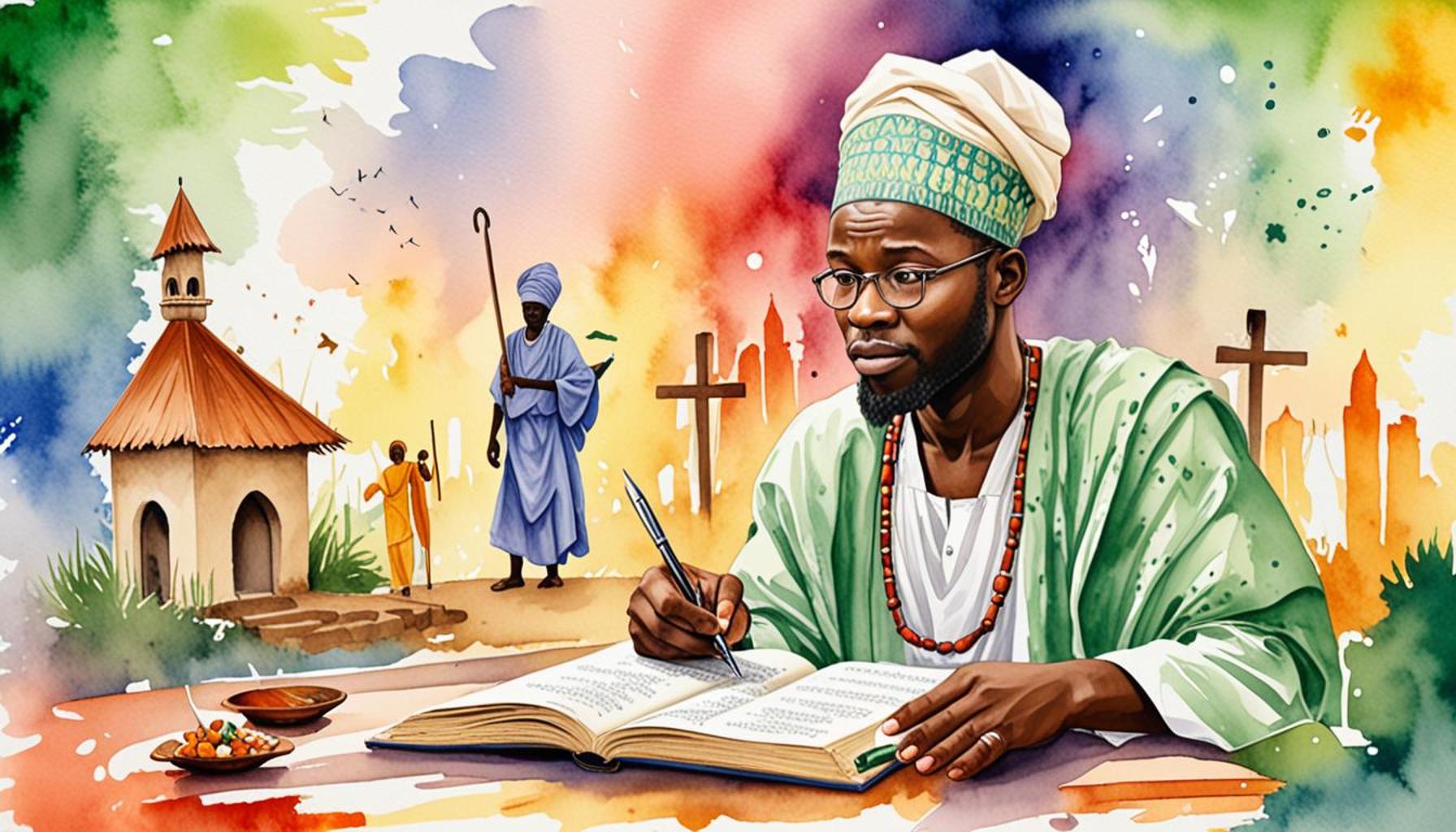
Nigeria stands as a beacon of cultural richness and spiritual diversity on the African continent. With over 250 ethnic groups and a population exceeding 200 million, the country’s faith practices are as varied as its people. These practices are deeply woven into the fabric of Nigerian life, marking celebrations, defining identities, and fostering community bonds.
Traveling through this vibrant nation offers a kaleidoscope of experiences that showcase its spiritual heritage:
- Traditional Worship: Nigeria is home to numerous sacred sites where age-old rituals are meticulously preserved. For instance, in the southwestern region, the Yoruba people participate in intricate ceremonies at shrines dedicated to deities such as Obatala and Sango. Festivals like the Osun-Osogbo attract thousands of devotees who journey to the sacred grove to pay homage, showcasing the enduring relevance of ancestral worship.
- Modern Faith Communities: The advent of contemporary religious movements has significantly influenced societal dynamics. Christian mega-churches and vibrant Islamic gatherings reflect the shifting landscape of faith in Nigeria. Events like the Redeemed Christian Church of God’s Holy Ghost Convention draw massive crowds, while Islamic events such as Maulud celebrations render an equally profound impact, highlighting the roles these communities play in promoting social welfare and cohesion.
- Interfaith Dialogues: Nigeria’s religious landscape is marked by a remarkable degree of coexistence and dialogue between its various faith communities. Annual events like the International Conference on Interfaith Harmony facilitate meaningful exchanges among practitioners of different religions, fostering understanding and collaboration. Such initiatives often showcase joint projects aimed at conflict resolution and community development, reflecting a collective desire for peace.
Each region of Nigeria contributes uniquely to the nation’s spiritual tapestry. In the north, the Hausa community engages in vibrant communal prayers, especially during the holy month of Ramadan, while in the southeastern part, the Igbo people celebrate their annual New Yam Festival with fervent traditional rites that honor the earth’s bounty. These ceremonies underscore the significance of agriculture, community, and ancestry in Nigerian spirituality.
As you embark on these religious itineraries, remember that each trip is a bridge connecting you to Nigeria’s past and present. The bustling streets of Lagos, with its dynamic spiritual activities, the historical richness of Enugu, and the serene landscapes of Adamawa offer an unparalleled exploration of faith. This journey not only enriches your understanding of Nigeria’s cultural identity but also deepens your appreciation of its profound spiritual heritage.
Ultimately, Nigeria’s rich tapestry of faith is an invitation to explore, understand, and celebrate a unique cultural landscape where tradition and modernity beautifully intersect.
YOU MAY ALSO LIKE: Read read another article
Exploring Traditional Worship: A Journey into Nigeria’s Ancestral Roots
Nigeria’s spiritual landscape is significantly shaped by traditional worship, which serves as a cornerstone of cultural identity for many communities. With a history that stretches back millennia, these practices not only honor the ancestors but also forge a deep connection to nature and the cosmos. A traveler venturing into areas rich with Yoruba, Igbo, or Hausa traditions will be met with vibrant celebrations and rituals that embody the essence of Nigerian spirituality.
In the heart of the Yoruba region, for instance, traditional religious practices flourish amid urban life. Sacred shrines such as the Osun-Osogbo Grove symbolize the deep reverence for deities like Osun, the goddess of fertility and river, attracting millions from near and far. Rituals performed during the annual Osun-Osogbo Festival incorporate rich storytelling, food offerings, and vibrant music, immersing participants into a world where ancient tradition meets modernity. Here are some key highlights of traditional worship in Nigeria:
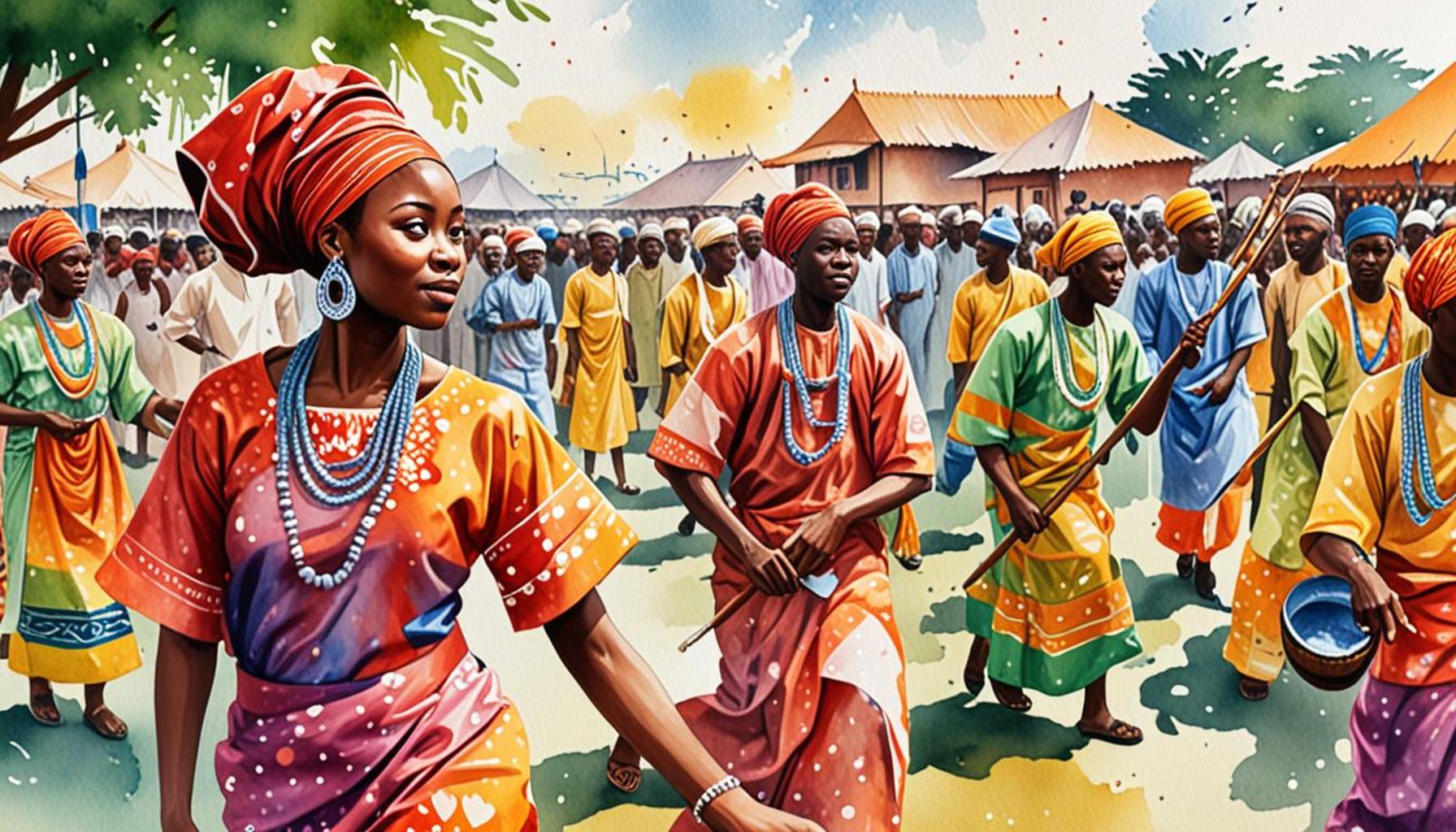
- Cultural Festivals: These annual events, steeped in tradition, showcase the societal importance of worship and spirituality. Festivals such as the Igbo New Yam Festival and the Durbar Festival in the north are characterized by colorful attire, traditional dances, and communal feasts that celebrate the essence of agricultural seasons and historical legacies.
- Sacred Sites: Visiting sites like the Idanre Hills or the Ogbomoso Shrine offers insights into the geographic and spiritual significance of topographies used in worship practices. These locations are often waiting to be explored by curious travelers seeking a deeper understanding of Nigeria’s diverse religious landscape.
- Rituals and Ceremonies: Engaging with local artisans and devotees during sacred ceremonies provides authenticity to the cultural experience. From sacrifices to libations, these age-old rituals define communal bonds and ancestry, revealing a narrative that transcends individual faith.
In addition to Yoruba traditions, the Igbo community also participates in rich spiritual practices, emphasizing the reverence for ancestors and nature. Their New Yam Festival is an explosive celebration of harvest season known for colorful masquerades, dance performances, and cultural displays that signify gratitude for the earth’s sustenance.
Yet, the exploration of traditional worship is not limited to festivals. Engaging with local spiritual leaders, such as the Babalawo or the Odinani priests, can provide deeper insights into the beliefs that shape the community’s values and practices. This interaction invites travelers to participate in traditional offerings or seek wisdom, creating a unique spiritual experience.
As you navigate through these traditional itineraries, remember that each step taken across Nigeria’s sacred lands connects you to a narrative that has been crafted over centuries. The blending of ancient customs with modern times embodies Nigeria’s authentic spiritual essence, calling for a respectful exploration of its cultural diversity.
| Advantages | Insights |
|---|---|
| Cultural Preservation | Explores diverse spiritual practices that shape Nigeria’s identity. |
| Community Engagement | Fosters connections among various faiths and local communities. |
| Educational Opportunities | Provides a deeper understanding of religious diversity through firsthand experiences. |
| Enhanced Awareness | Encourages interfaith dialogue promoting peace and mutual respect. |
The exploration of Nigeria’s rich religious tapestry opens a gateway to a broader understanding of its cultural experiences. Engaging with various beliefs, from indigenous practices to the influence of Christianity and Islam, allows travelers to witness the profound transformations these religions have undergone. Each community showcases unique rituals, festivals, and artistic expressions that reflect their spiritual convictions.For instance, participating in local celebrations, like the Osun-Osogbo festival, not only reveals the spiritual devotion of the Yoruba people but also emphasizes the importance of nature in many Nigerian religions. These experiences deepen appreciation for the distinct yet interconnected beliefs that exist within Nigeria, enhancing broader conversations about faith and community in a global age.Moreover, exposure to this diversity can create a pathway for enhanced awareness of social issues linked to religious identities. As tourists and locals alike engage in interfaith activities, mutual respect grows, fostering a spirit of cooperation that benefits everyone involved. This vibrant tapestry of beliefs truly underscores the idea that spirituality can serve as a unifying thread amid Nigeria’s multifaceted cultural landscape.
LEARN MORE: This related article may interest you
Embarking on Pilgrimages: The Fusion of Faith and Travel
Pilgrimages hold an esteemed place within Nigeria’s spiritual journey, functioning as a bridge between the sacred and the everyday. They invite believers to venture beyond their usual environments, enriching their spiritual lives and deepening their commitments. Key pilgrimage sites throughout the nation attract both devout worshippers and curious travelers, creating a dynamic atmosphere that celebrates unity in diversity.
Among the most significant pilgrimage destinations is the Holy City of Kano, renowned for the annual celebration of Maulud, which commemorates the birth of the Prophet Muhammad. This lively event attracts thousands, drawing participants from multiple cultures and communities. Festivities include prayers, religious speeches, and processions that highlight *Islamic devotion in Nigeria*, reflecting an intricate tapestry of faith that binds its followers together.
Another noteworthy pilgrimage is the Pilgrimage to Awhum Waterfall in Enugu State, where many believe the waters possess healing properties. Spiritual seekers flock to this sacred site, engaging in rituals that include prayers and offerings to the deities of water and nature. The mystical beauty of Awhum provides a backdrop for seeking spiritual rejuvenation, exemplifying how Nigeria’s natural landscapes enhance the power of faith.
Beyond pilgrimage sites, Nigerian cities also serve as vibrant hubs of religious discourse. The International Conference on Christian-Muslim Relations held in places like Kaduna promotes dialogue between faiths and fosters mutual understanding among followers. Participation in such conferences is an integral part of conveying the essence of coexistence in a nation marked by rich religious plurality. Conferences like these provide a chance to hear diverse perspectives while promoting harmony and celebrating the distinct beliefs that comprise the nation’s spiritual fabric.
Travelers inclined toward spiritual enrichment can also explore the Islamic Holy Pilgrimage to Mecca through organized group travels facilitated by local mosques. Many Nigerians complete this pilgrimage, carrying with them the stories of their ancestors and cultural practices that enrich their experiences in the Holy Land. These journeys serve not only as personal obligations fulfilled but also as collective expressions of cultural identity, linking the pilgrimage experience back to their home communities.
In addition to the larger organized pilgrimages, various local religious leaders and groups offer smaller spiritual outings, contributing to the unique landscape of Nigeria’s religious itineraries. In places like Ibadan, the Shafaudeen in Islam Movement encourages communal gatherings that blend worship with personal reflection. Through discussions and spiritual activities, travelers can engage meaningfully with their surroundings, finding a sense of belonging and communion in shared beliefs.
As one ventures through these spiritual itineraries, it becomes evident that Nigeria’s rich tapestry of religious experiences is both an invitation to discover and a call to understand. Each pilgrimage, whether grand or modest, encapsulates the profound interconnection of faith, culture, and community, allowing travelers to engage with a landscape where the sacred meets the mundane.
YOU MAY ALSO LIKE: Read read another article
Concluding Reflections on Nigeria’s Spiritual Landscape
In exploring the diverse religious and spiritual itineraries of Nigeria, we uncover a vivid tapestry of traditions, beliefs, and cultural experiences that shape the nation’s identity. Each pilgrimage, whether it be to the Holy City of Kano or the sacred Awhum Waterfall, serves as a testament to the profound connection between spirituality and community, while showcasing the rich plurality of faiths embraced by Nigerians. These journeys not only fulfill long-held religious obligations but also foster intercultural dialogues that transcend geographical and ethnic boundaries.
Nigeria’s sacred sites and vibrant religious events encourage both locals and visitors to immerse themselves in the spiritual richness of the country, promoting a deeper understanding of the collective human experience. The activities surrounding the International Conference on Christian-Muslim Relations, along with localized spiritual gatherings, exemplify an ongoing commitment to unity amidst diversity. They remind us that faith, in its many forms, can be a powerful catalyst for peace and understanding.
As travelers embark on these enriching adventures, they are invited to partake in a living history that is as much about personal introspection as it is about collective heritage. The intermingling of natural beauty with indigenous cultural practices further deepens the spiritual significance of these journeys. It is through this exploration that we are left with an enduring invitation to broaden our horizons and engage with the profound complexities of the cultural experiences present in various beliefs across Nigeria.
Ultimately, the spiritual itineraries found within Nigeria not only illuminate the nation’s religious diversity but also offer a path for individuals seeking connection, reflection, and understanding in an ever-evolving world.