Sensory Kitchen: Exploring Flavors and Aromas to Elevate Your Culinary Experience
Engaging the Senses in Culinary Adventures
Picture a bustling kitchen filled with the melodic sounds of chopping, sizzling, and the gentle bubbling of a simmering pot. In this environment, flavors and aromas dance together, transforming ordinary ingredients into culinary masterpieces that tantalize the taste buds. The concept of a sensory kitchen invites chefs—whether amateur or professional—to create a profound connection with their food, leading to delightful memories and heartwarming experiences.
Exploring your senses in cooking involves a multifaceted approach. It encourages you to:
- Taste: Consider the balance of flavors. For instance, when making a classic tomato sauce, incorporating a touch of sweetness with a dash of sugar balances the acidity of the tomatoes. Additionally, experimenting with the umami flavor by adding ingredients like mushrooms or Parmesan cheese can enhance the overall depth of the dish.
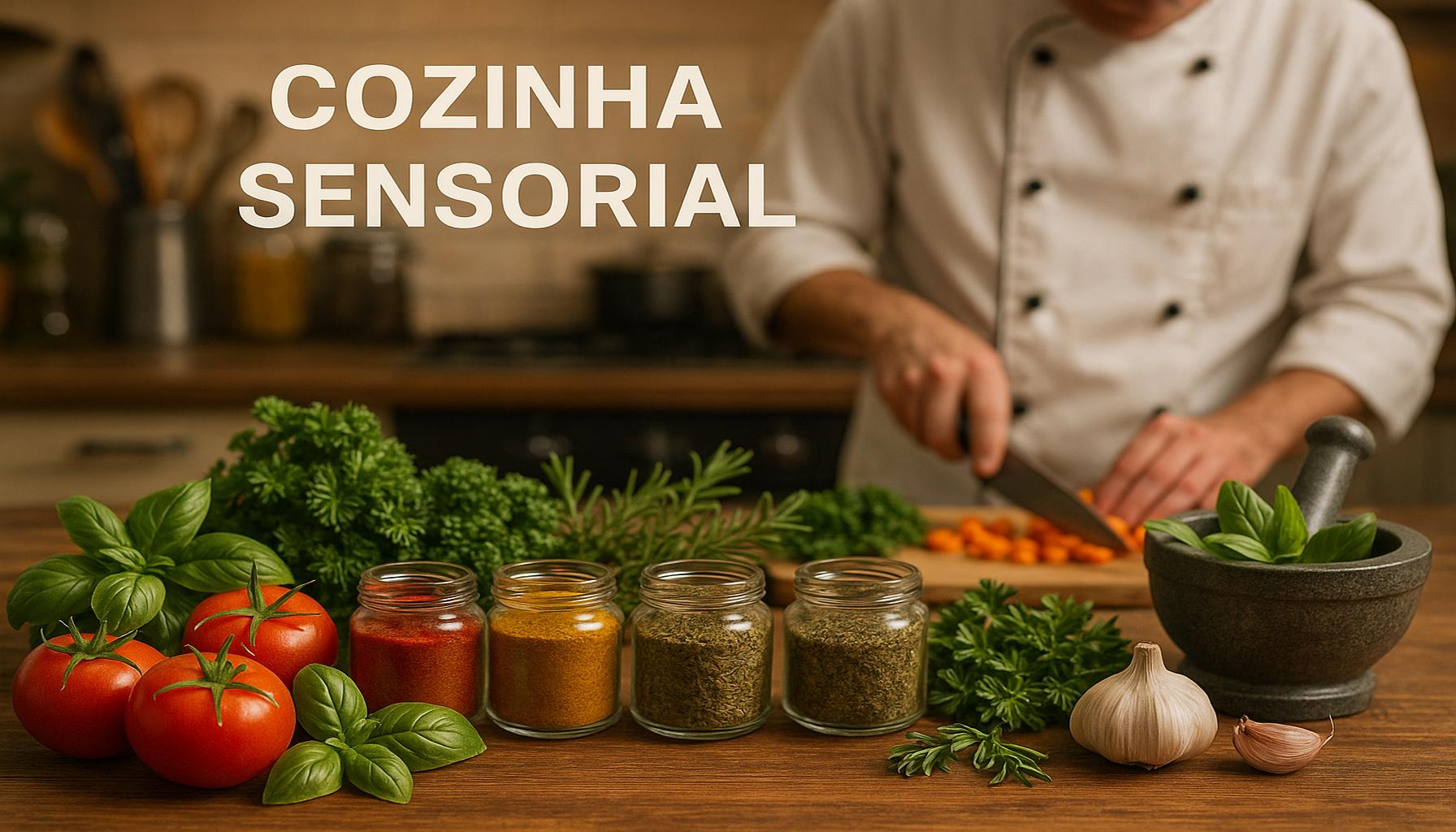
- Smell: The olfactory experience is essential to enjoying food. Fresh herbs like basil, cilantro, and rosemary can transform a simple dish into a fragrant delight. Sautéing garlic and onions as a base not only builds flavor but fills the kitchen with a comforting aroma that evokes feelings of home and warmth.
- Texture: The mouthfeel of food plays a crucial role in its enjoyment. Consider adding crispy toppings like toasted breadcrumbs or fried onions to creamy casseroles, providing a delightful contrast. Recipes that incorporate varied textures, such as a crunchy salad paired with tender grilled chicken, create a more dynamic and satisfying dining experience.
Embracing the sensory kitchen ethos goes beyond merely preparing meals; it focuses on fostering connections and creating meaningful moments during shared meals. This immersive approach allows you to:
- Turn every meal into a sensory adventure, igniting passion and curiosity in your culinary explorations.
- Enhance your culinary creativity through mindful cooking, as you become more aware of how individual ingredients contribute to the overall experience.
- Awake your appreciation for the diverse cuisines and cultures that inspire delicious dishes across the globe. Explore the vibrant world of spices from Indian curry to Mexican mole, each with its own unique story and flavor profile.
As we venture further into the science and art of cooking, we will offer insights, practical tips, and enticing recipes that will help you transform your kitchen into a sensory haven. Prepare to unleash your culinary potential and discover how to make indelible memories through the power of your senses.
DISCOVER MORE: Click here to learn about sustainable gardening

Unleashing the Power of Aroma and Flavor
In the heart of every kitchen lies a treasure trove of potential, waiting to be unlocked through engaging the senses. The combination of flavors and aromas can transport you on a gastronomic journey, enhancing your culinary creations and transforming the mundane into the extraordinary. By understanding how to manipulate these sensory elements, you can elevate your cooking and create memorable dining experiences.
To truly embrace the art of a sensory kitchen, it’s vital to delve into the science of smell and taste, as both play crucial roles in our perception of food. Research indicates that approximately 80% of what we perceive as taste actually comes from our sense of smell. This powerful connection suggests that creating a dish isn’t just about the ingredients, but also how those ingredients perfume the air, shape our anticipation, and influence our enjoyment.
When exploring the world of flavors, consider the following elements:
- Sweetness: Often found in fruits, honey, and certain vegetables, sweetness can act as a counterbalance to other flavors, adding depth and richness to dishes. For example, a sprinkle of brown sugar over roasted Brussels sprouts not only enhances the natural sweetness of the vegetable but also introduces a delightful caramelized texture.
- Bitterness: While commonly feared, bitterness is a crucial taste that brings complexity to a dish. Ingredients like arugula, dark chocolate, and coffee lend an edge to recipes. A well-balanced salad composed of mixed greens and citrus can highlight both the refreshing and bitter tones of the ingredients, offering a lively taste experience.
- Acidity: The bright, tangy kick of acidic ingredients like vinegar or lemon juice can elevate flavors and provide balance. A drizzle of balsamic vinegar on a caprese salad adds a layer of complexity that sharpens the fresh mozzarella and ripe tomatoes, ensuring no bite is bland.
- Spiciness: Heat can awaken the palate and invigorate meals. Spice blends, like those found in Tex-Mex or Indian cuisine, can range from mild to fiery, ensuring there’s a flavor profile for everyone. A generous sprinkle of chili flakes over a pizza can transform the ordinary into a zesty delight.
Moreover, a stellar sensory kitchen environment encourages experimentation with herbs and spices. Fresh herbs can change the character of a dish entirely. For instance, a handful of chopped cilantro in a taco filling can add a refreshing brightness, while finely chopped parsley enhances the richness of a buttery sauce. Meanwhile, traditional spice blends can tell stories of distant cultures, inviting you to explore the culinary landscape of the world without ever leaving your kitchen.
Incorporating these sensory elements not only refines your palate but also fosters an atmosphere of creativity. Cooking becomes a mad science experiment—one where each ingredient contributes to a rich tapestry of aromas, textures, and flavors. The exploration of new techniques and innovative recipes can inspire cooks at any level to become true artists of their culinary domain.
| Advantage | Description |
|---|---|
| Enhanced Flavor Profiles | Explore unique flavor combinations that can transform traditional dishes into extraordinary culinary adventures. |
| Sensory Engagement | Stimulate all five senses while cooking, which can enhance memory and create a more gratifying dining experience. |
The theme “Sensory Kitchen: Exploring Flavors and Aromas to Elevate Your Culinary Experience” delves into the art of cooking beyond mere taste. By utilizing fresh, aromatic ingredients, cooks can create a feast that not only tantalizes the palate but also engages all five senses. The combination of visual presentation, enticing aromas, and satisfying textures can completely transform the cooking and dining experience. The emphasis on herbal infusions, spices, and bold flavors encourages experimentation, allowing for the creation of dishes that are as pleasing to the senses as they are nourishing to the body. Every ingredient tells a story, from the fragrant herbs to the zest of citrus, each contributing to a symphony of flavor that invites the diner to explore. By understanding how aroma influences taste perception, cooks can elevate their dishes, making mealtime an occasion for celebration and discovery. This approach not only fosters creativity in the kitchen but also promotes a deeper connection with the food being prepared and consumed.
DIVE DEEPER: Click here to discover how music connects communities
Creating a Multi-Sensory Experience
While the essence of a sensory kitchen revolves around flavor and aroma, it’s essential to recognize that the culinary experience is also shaped by visual and tactile elements. The presentation of food plays a crucial role in perceived taste. Think of vibrant rainbow salads or artfully styled desserts; these dishes not only excite the palate but invite attention to their aesthetic appeal. Investing in attractive dinnerware or garnishing plates with fresh herbs can turn an ordinary meal into an edible masterpiece.
Another facet of the multi-sensory experience is texture. The crunch of fresh vegetables, the creaminess of sauces, and the tenderness of meats contribute to how we perceive a dish. For instance, a crispy-skinned roasted chicken paired with a silky mashed potato creates a delightful contrast that excites the mouth. To maximize texture, consider introducing ingredients with varying consistencies. The soft, velvety nature of a purée can be invigorated by crunchy toppings, such as toasted nuts or crispy shallots, ensuring each forkful bursts with different sensations.
Sound is yet another dimension that often goes overlooked in the realm of cooking. The sizzle of onions frying in olive oil or the pop of a simmering pot can evoke anticipation as you craft your meal. Incorporating elements that amplify these sounds—such as using cast iron cookware for their delightful auditory feedback—can enhance the overall dining experience. Moreover, the act of eating together often leads to laughter and conversation, creating a communal atmosphere that further enriches our connection to food.
In exploring flavor profiles, it’s also crucial to understand the concept of umami—a savory taste that enhances the overall depth of a dish. Umami-rich ingredients, such as mushrooms, aged cheeses, and fermented foods like kimchi, can add layers of complexity, making a meal more appealing. Experimenting with these ingredients can lead to unexpected discoveries, like adding miso paste to a creamy sauce for a flavor boost that turns a humble mac and cheese into a culinary adventure.
The role of seasonality and freshness cannot be underestimated in a sensory kitchen. Ingredients harvested at their peak ripeness not only taste better but also release a more intense aroma, further highlighting their individual characteristics. Seasonal cooking encourages you to adapt your recipes based on what’s available, promoting creativity and innovation in your kitchen. Imagine the difference between a winter squash soup made with freshly harvested ingredients versus one made with those that have traveled thousands of miles. The depth of flavor, not to mention the environmental benefits, makes a compelling case for shopping seasonally.
Furthermore, incorporating elements from different cuisines can broaden your sensory palette. For instance, a dash of harissa or a sprinkle of za’atar can transport you straight to a North African market, while Thai basil may evoke memories of a bustling street vendor in Bangkok. The world of flavor is vast and unending, inviting you to explore and experiment with combinations that can lead to exhilarating tastes and aromas.
Ultimately, the journey of the sensory kitchen is one of discovery and exploration. The more you engage your senses and experiment with flavors, aromas, and textures, the more adept you will become at creating meals that tantalize not just the taste buds, but the entire dining experience.
DISCOVER MORE: Click here to uncover vertical gardening tips
Conclusion
In conclusion, the concept of a sensory kitchen transcends mere cooking; it invites you into an immersive culinary journey that engages all five senses. By focusing on flavors and aromas, as well as visual appeal and texture, you can elevate your meals from routine to extraordinary. The intricate balance of flavors, especially the elusive umami, adds depth and satisfaction that leaves a lasting impression. Moreover, embracing seasonality allows you to create dishes that reflect the freshest produce available, delivering superior taste and nutrition while supporting local agriculture.
As you explore different cuisines and experiment with diverse ingredients, you optimize your meals’ sensory experience, transforming your kitchen into a vibrant space of exploration and creativity. Whether it’s the exciting crunch of a fresh salad, the warm aromas wafting from a simmering pot, or the beautiful presentation on your dinnerware, every element contributes to a more profound connection with food. This culinary adventure not only nourishes the body but also revitalizes the spirit through the shared experience of gathering around the table.
Ultimately, by embracing the multi-faceted nature of a sensory kitchen, you enhance not just the act of cooking, but the joy of eating and sharing meals with loved ones. So, step away from the ordinary and dive headfirst into a world that awakens your senses, ignites your passion for cooking, and transforms every meal into a delightful celebration of flavor and aroma.