Shopping Guides: Discovering Markets and Crafts in Nigerian Cities
Discovering the Heart of Nigerian Markets
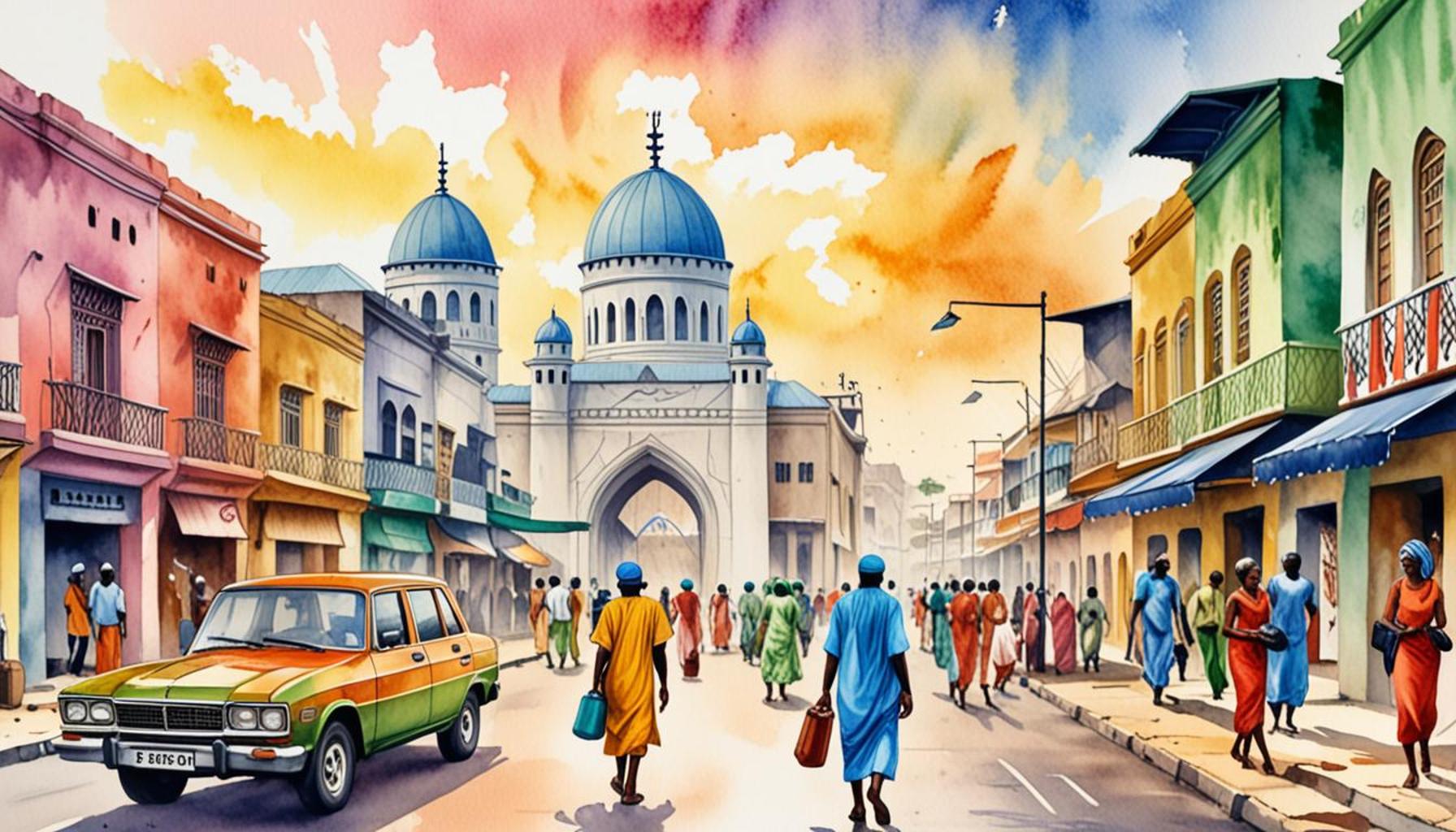
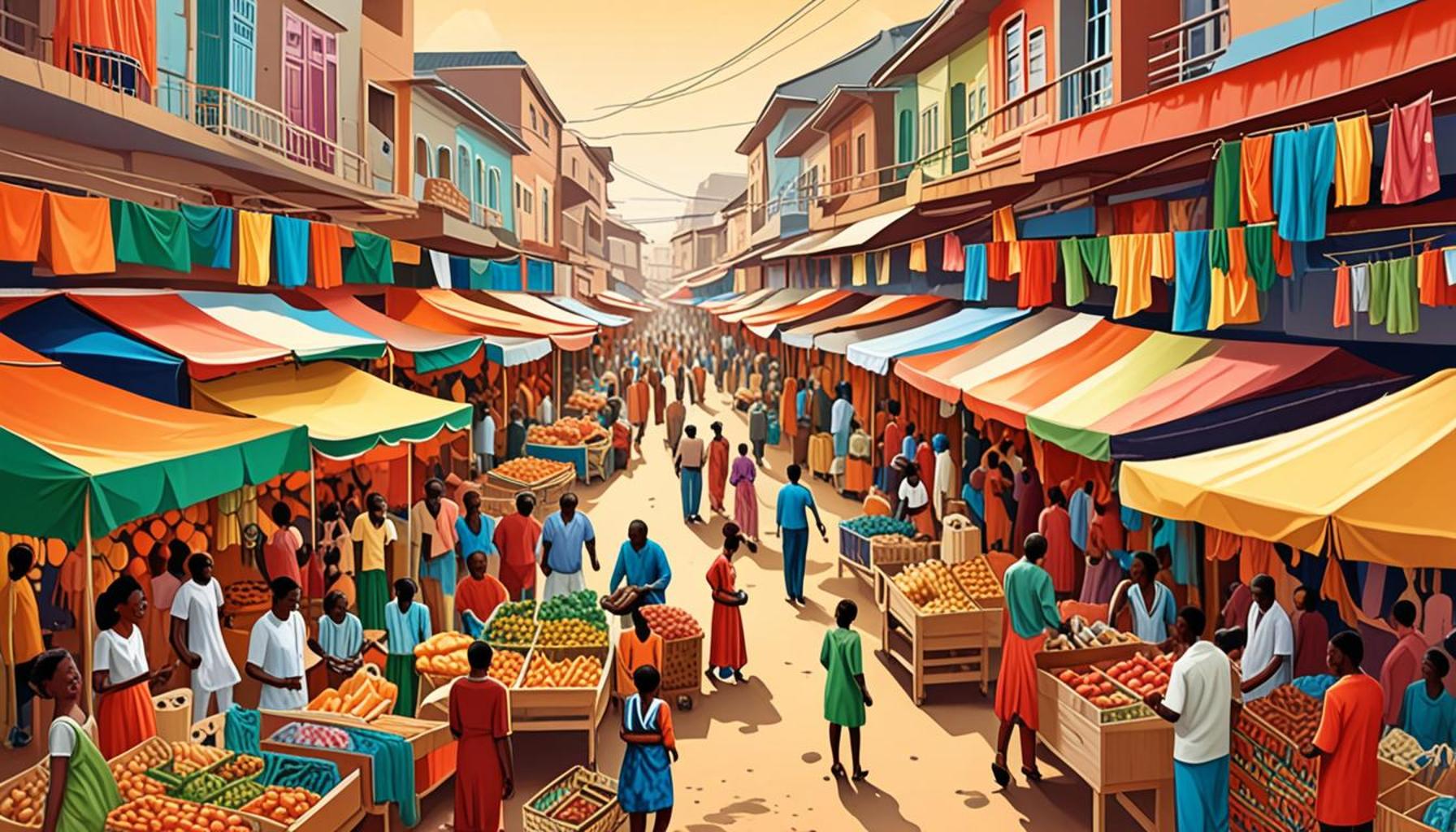
Nigeria’s markets are vibrant tapestry woven with colors, sounds, and scents that reflect the rich cultural diversity of the nation. These marketplaces serve as vital hubs for local economies, supporting artisans and traders while providing a glimpse into traditional ways of life. Each market is a portal into the city’s spirit, where every stall tells a story and every product embodies a piece of Nigerian heritage.
Diverse Offerings: One cannot overlook the vast array of products available in Nigerian markets. In the sprawling Balogun Market in Lagos, for instance, you’ll find a cornucopia of traditional fabrics such as ankara and satin, alongside handmade jewelry unique to various tribes. Markets like Ogbete in Enugu are famed for their fresh produce, ranging from ripe mangoes bursting with flavor to local spices that can transform any dish. Whether you’re seeking handcrafted pottery or intricate wood carvings, these markets invite you to explore an unforgettable assortment of local crafts and agricultural treasures.
Cultural Insights: Beyond shopping, these markets provide an opportunity to engage meaningfully with local artisans. Each interaction can reveal the labor of love behind handcrafted goods. For example, a conversation with a beaded jewelry maker might uncover the cultural significance of the colors used in their pieces, rooted in local folklore and tradition. Storytelling is important in many Nigerian cultures, and markets are an ideal place to hear these narratives — from the artisans’ backgrounds to the significance of their crafts in daily life.
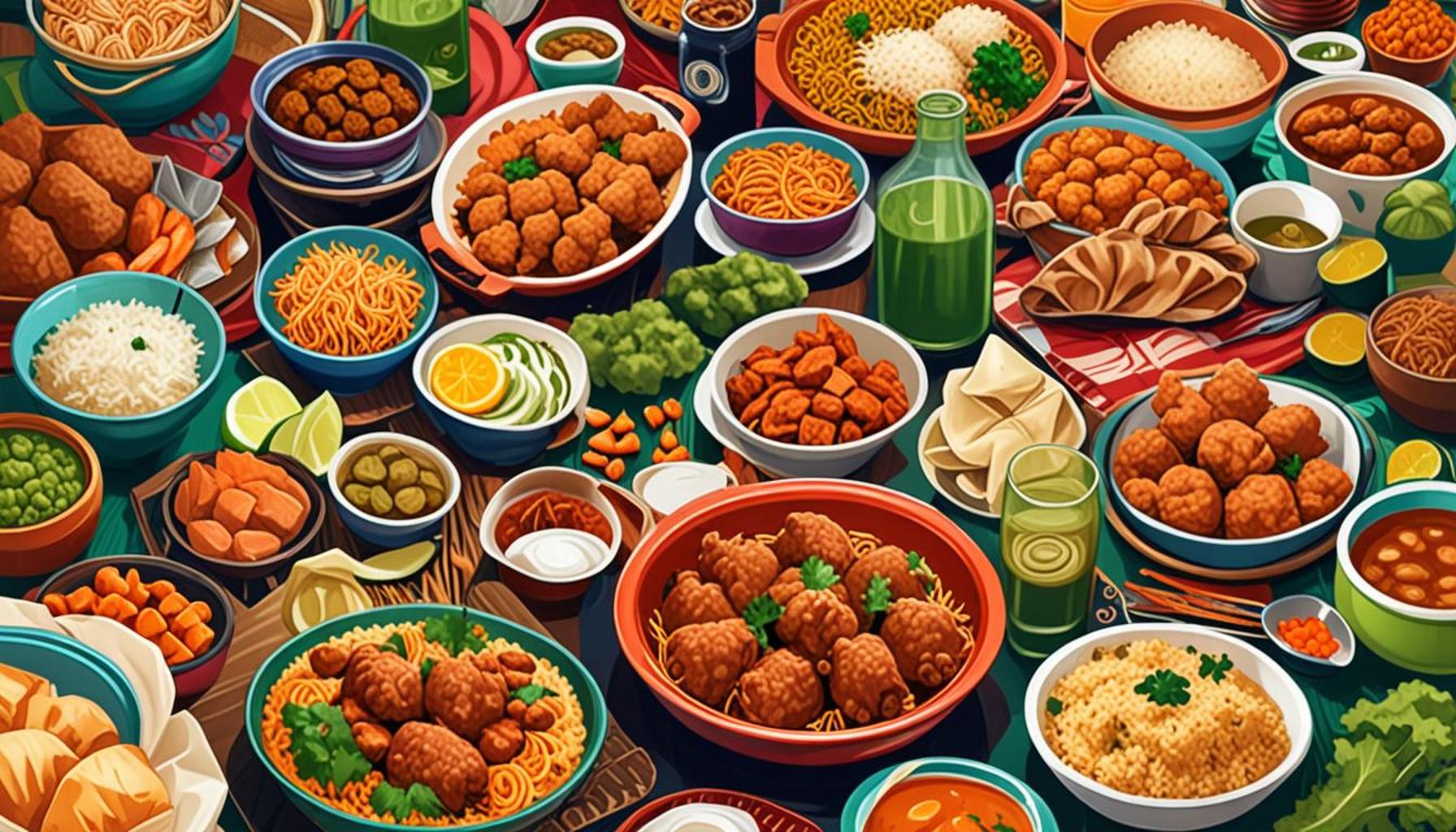
Vibrant Atmosphere: The sensory experience of a Nigerian market is hard to match. The air is filled with the aroma of sizzling street food, inviting you to try local delicacies such as suya (spicy meat skewer) or puff-puff (fried dough balls). The lively chatter, the laughter of children, and the call of vendors hawking their goods create a cacophony that pulsates through the air. Brightly colored stalls adorned with textiles and crafts create a visually stunning environment that often leaves visitors in awe.
As we journey through the lively markets of Nigeria, we’ll explore essential tips, such as the art of haggling, a customary practice that adds excitement and interactivity to the shopping experience. Join us as we uncover must-try items that exemplify the essence of Nigerian culture, inviting you to immerse yourself in a shopping adventure that is both enriching and inspiring.
ADDITIONAL INSIGHTS: Expand your understanding here
Market Must-Sees: Icons of Nigerian Craftsmanship
Embarking on a shopping adventure in Nigeria’s markets unveils not only a shopping spree but a journey through the country’s rich cultural heritage. Each marketplace is a treasure trove revealing unique crafts that are symbolic of Nigeria’s traditions and innovations. To help maximize your experience, here are some iconic markets where you can discover exceptional local crafts:
- Lekki Market (Lagos) – Known for its stunning selection of handmade crafts, art, and traditional artifacts, Lekki Market offers an array of souvenirs that reflect the vibrant coastal culture of Lagos. From colorful beaded jewelry to intricate wood carvings, this market is a paradise for craft lovers.
- Kano Central Market (Kano) – As one of West Africa’s largest markets, Kano Central Market is steeped in history. Shoppers can find a variety of products from traditional textiles to intricate leather goods. The market is particularly famous for its bukka (small food stalls) that offer local dishes, including tuwo and miyan kuka.
- Aba Market (Abia) – Renowned for its vibrant local manufacturing scene, Aba Market is ideal for discovering handmade textile creations, footwear, and affordable fashion pieces. This market reflects the industrious spirit of Nigeria, showcasing the craftsmanship of local artisans who take pride in their products.
- Onitsha Main Market (Anambra) – The largest market in West Africa, Onitsha Main Market offers a rich variety of goods, predominantly clothing, shoes, and electronics. It’s a bustling hub where you can find everything from traditional garments to contemporary fashion, making it a must-visit for shopping enthusiasts.
Artisan Encounters: Beyond mere shopping, these markets act as a bridge between vendors and visitors. Engaging with artisans can yield fascinating insights into the techniques and stories behind their crafts. For example, in markets like Gudu Market in Abuja, one might meet seasoned weavers who demonstrate the art of Adire, a traditional Nigerian dyeing technique that has survived generations. Learning about these methods reveals the dedication and talent required to produce each piece, offering shoppers a deeper appreciation for their purchases.
Craft Workshops: Some markets, particularly those known for their crafts, feature workshops and demonstrations where artisans share their skills with interested shoppers. Participating in these workshops not only enhances your understanding but also allows you to create your very own piece of Nigerian art, be it a bead necklace or a hand-painted fabric. This hands-on experience creates a unique connection between you and local culture, imbuing your souvenirs with personal meaning.
As you navigate through the colorful stalls and lively interactions within these markets, keep an eye out for traditional artifacts and local handicrafts that resonate with you. Every purchase supports local craftsmen and helps preserve the integrity of Nigeria’s artisanal heritage.
| Category | Description |
|---|---|
| Market Diversity | Nigeria offers a wide variety of markets, each with unique artisanal crafts and local delicacies. |
| Cultural Experience | Visiting markets provides insight into Nigerian traditions, practices, and vibrant lifestyles, enhancing cultural appreciation. |
| Local Crafts | Explore handmade crafts such as textiles, pottery, and jewelry, which are often created using traditional methods. |
| Networking Opportunities | Markets are great spaces for connecting with local artisans and understanding their stories, fostering community ties. |
The exploration of markets in Nigerian cities goes beyond mere shopping; it is an enriching journey that unveils the nation’s heritage. Each market presents diverse offerings, from the bustling lanes of Lagos’ Lekki Market, where vibrant textiles and crafts burst with color, to the serene atmosphere of Kano’s artisanal workshops, where age-old traditions are preserved through handmade goods. Visitors can immerse themselves in a plethora of crafts, including intricate beadwork and vibrant paintings that tell local stories. Engaging with craftsmen offers unique insights into their creative processes, promoting a deeper understanding of Nigerian culture. Additionally, markets serve as a platform for networking, where travelers can form connections with locals, fostering mutual respect and appreciation for the art of craftsmanship.Thus, shopping in Nigerian markets becomes an engaging experience filled with discovery, providing not only tangible souvenirs but also a profound appreciation for the country’s rich tapestry.
RECOMMENDED: Check out this similar article
Navigating Cultural Intricacies: The Heartbeat of Local Markets
While exploring the bustling markets of Nigeria, it becomes evident that these vibrant locales are not merely points of purchase; they are the heartbeat of local culture. Each market tells a story, embedded in the goods and the interactions that occur within. To further enrich your shopping experience, it’s essential to understand the cultural fabrics that shape these marketplaces.
The Role of Bartering: In many Nigerian markets, the art of negotiation is deeply embedded in the buying process. Unlike fixed prices seen in Western retail, haggling is expected and embraced as part of the experience. Engaging with vendors in this manner not only helps you score a better deal but also fosters a sense of connection. This exchange often leads to friendly banter, allowing you to learn more about the crafts and the artisans behind them. Whether it’s discussing the origin of a piece or sharing a laugh over a price, these interactions can transform a simple purchase into a cherished memory.
Festival Crafts and Specialty Markets: Timing your market visit with local festivals can unveil a plethora of unique crafts not commonly found at other times. For instance, the Abuja Arts and Crafts Expo showcases the nation’s best talent, offering textiles, art, and accessories rooted in Nigerian culture. During this festival, artisans from various regions gather to promote their crafts, giving visitors an unparalleled opportunity to explore and purchase rare goods. Similarly, the Osun-Osogbo Festival in Osun State features local artisans showcasing their work, emphasizing traditional methods that have been passed through generations. Such events not only encourage tourism but also bolster the local economy by celebrating indigenous craftsmanship.
Eco-Friendly Options: In recent years, there has been a growing emphasis on sustainability within Nigeria’s craft scene. Many artisans are reinterpreting traditional crafts using recycled materials or eco-friendly techniques. Markets like Art Twenty One in Lagos prominently feature these sustainable crafts, promoting a greener approach to consumerism. Shoppers looking for innovative pieces that resonate with environmental consciousness can find everything from recycled jewelry to upcycled fashion, thus contributing to a culture of sustainability while supporting local artisans.
Food Artisans: Culinary Craftsmanship: No shopping guide in Nigerian cities would be complete without highlighting the food artisans present in markets. Local delicacies such as suya (spicy grilled meat) and puff-puff (fried dough balls) are often sold alongside crafts, making for an unforgettable sensory experience. Vendors are often more than just sellers; they are culinary storytellers who can share the history and significance of each dish. Sampling street food not only satisfies the palate but also provides insight into the diverse culture and traditions woven into Nigeria’s culinary tapestry.
As you wander through the picturesque stalls, remember that shopping in Nigerian markets goes far beyond material goods; it is a chance to engage with the people, culture, and spirit of the nation. Be open to connecting with artisans and embracing the stories that accompany each piece – the treasures found here are as much about the experience as they are about the items themselves.
LEARN MORE: This related article may interest you
Conclusion: Embrace the Essence of Nigerian Markets
As we conclude our exploration of Nigeria’s vibrant markets and unique crafts, it becomes clear that these bustling hubs are essential to understanding the nation’s cultural identity. Shopping in these local markets is not just about transactions; it is an immersive experience that connects you to the heartbeat of Nigerian society. The rich narratives behind each artisanal creation, paired with the lively interactions with vendors, paint a vivid picture of life in Nigeria.
From the lively art of bartering to the joyous moments shared with artisans, every shopping trip unveils layers of history and tradition. Participating in local festivals adds an extra dimension to your visit, allowing you to discover exclusive crafts while celebrating the creative spirit of Nigeria. Moreover, the rise of eco-friendly options in these markets highlights a growing awareness towards sustainability, encouraging shoppers to make conscious choices while supporting local talent.
Don’t forget the culinary artisans who make every market a feast for the senses. Sampling local delicacies not only tantalizes your taste buds but also deepens your appreciation for Nigeria’s diverse culinary landscape. Whether you’re looking for handcrafted treasures, sustainable products, or delicious street food, Nigerian markets provide an enriching and unforgettable experience.
In conclusion, embrace the essence of shopping in Nigerian cities as an invitation to delve deeper into the country’s culture and stories. Each purchase holds the potential to transform into a cherished memory, making your shopping journey much more than a simple outing. So, get ready to discover the vibrant offerings and unique narratives waiting for you in the heart of Nigeria’s markets.