Sustainable Gardening: Ecological Practices for a Greener Garden
Understanding Sustainable Gardening
Amid rising concerns about climate change and environmental degradation, sustainable gardening has emerged as a vital solution. This approach not only promotes biodiversity but also enhances soil health and conserves water. By adopting ecological practices, gardeners can create beautiful spaces that contribute to a healthier planet. Sustainable gardening embraces the idea that every small action in our gardens can have a significant impact on the world.
Core Practices of Sustainable Gardening
Sustainable gardening encompasses a range of methods that minimize ecological footprints. Here are some key practices to consider:
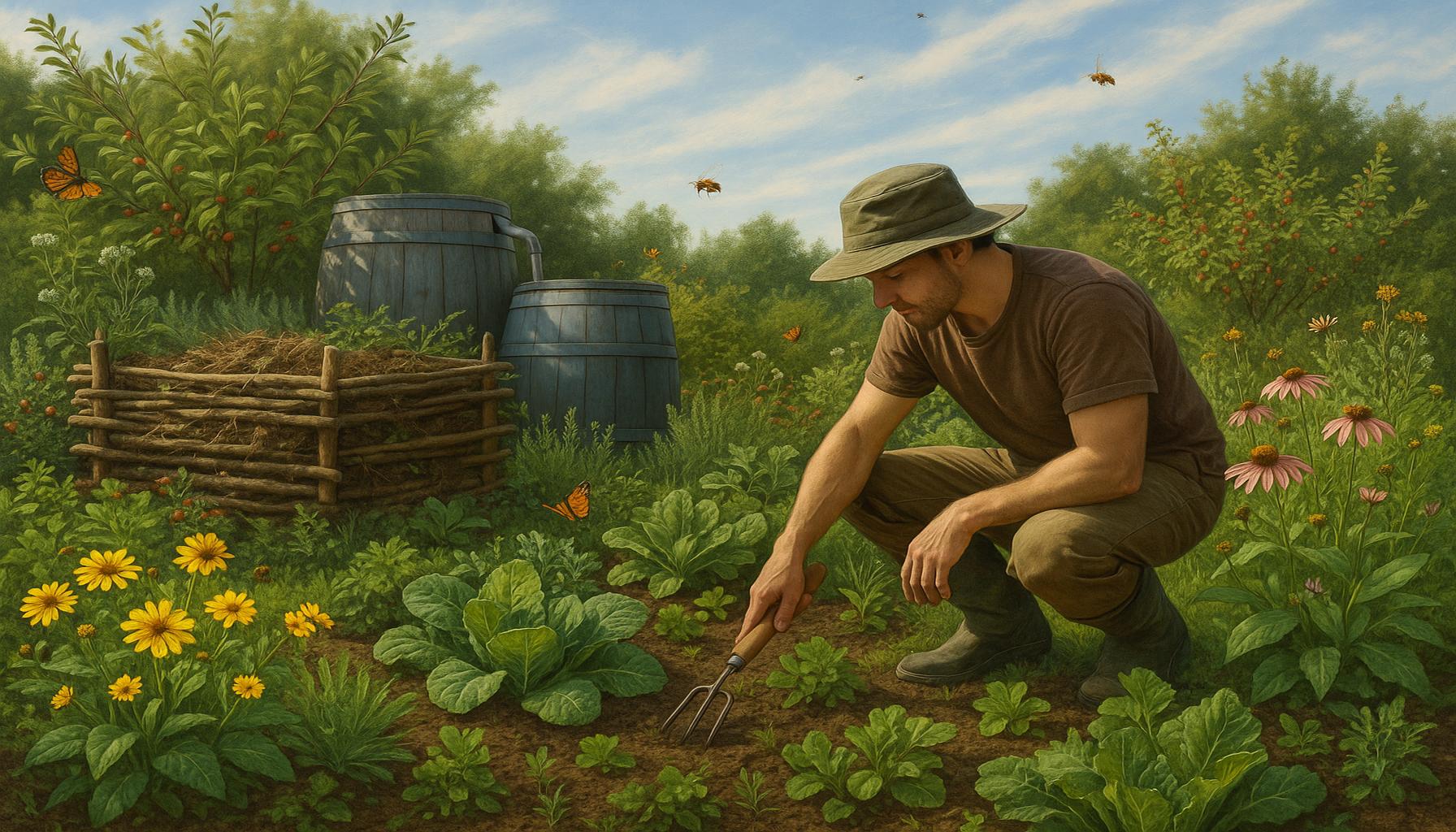
- Composting: Recycling organic waste to enrich soil. By creating a compost pile or bin in your backyard, you can recycle kitchen scraps like vegetable peels, coffee grounds, and yard waste. This not only reduces landfill waste but also provides nutrient-rich soil amendments that help plants thrive. A well-maintained compost can create a rich soil amendment in as little as three to six months.
- Native Plants: Choosing local flora that thrives in the local climate. Using native plants in your garden reduces the need for chemical fertilizers and excessive watering. For instance, in the Midwest, planting coneflowers and black-eyed Susans not only beautifies your space but also attracts native pollinators like bees and butterflies. Native plants are adapted to local environmental conditions, making them easier to maintain and more resilient against pests and diseases.
- Organic Pest Control: Using natural predators instead of chemicals. Instead of reaching for chemical pesticides, sustainable gardeners can attract beneficial insects like ladybugs and lacewings that naturally control pest populations. Additionally, planting marigolds can deter harmful insects. This not only protects your plants but also contributes to a balanced ecosystem.
- Water Conservation: Implementing rain gardens and drip irrigation. Techniques such as rainwater harvesting systems or drip irrigation help conserve water and reduce runoff. Rain gardens, designed to absorb and filter rainwater, can also serve as beautiful focal points while preventing erosion and flooding.
These techniques not only promote a greener garden but also foster a deeper connection between gardeners and nature. Engaging in sustainable gardening practices allows individuals to play a crucial role in enhancing local ecosystems while growing healthy food. Each sustainable choice contributes to a larger movement toward a healthier environment, making every garden a potential sanctuary for wildlife and a source of fresh produce.
The Broader Impact of Sustainable Gardening
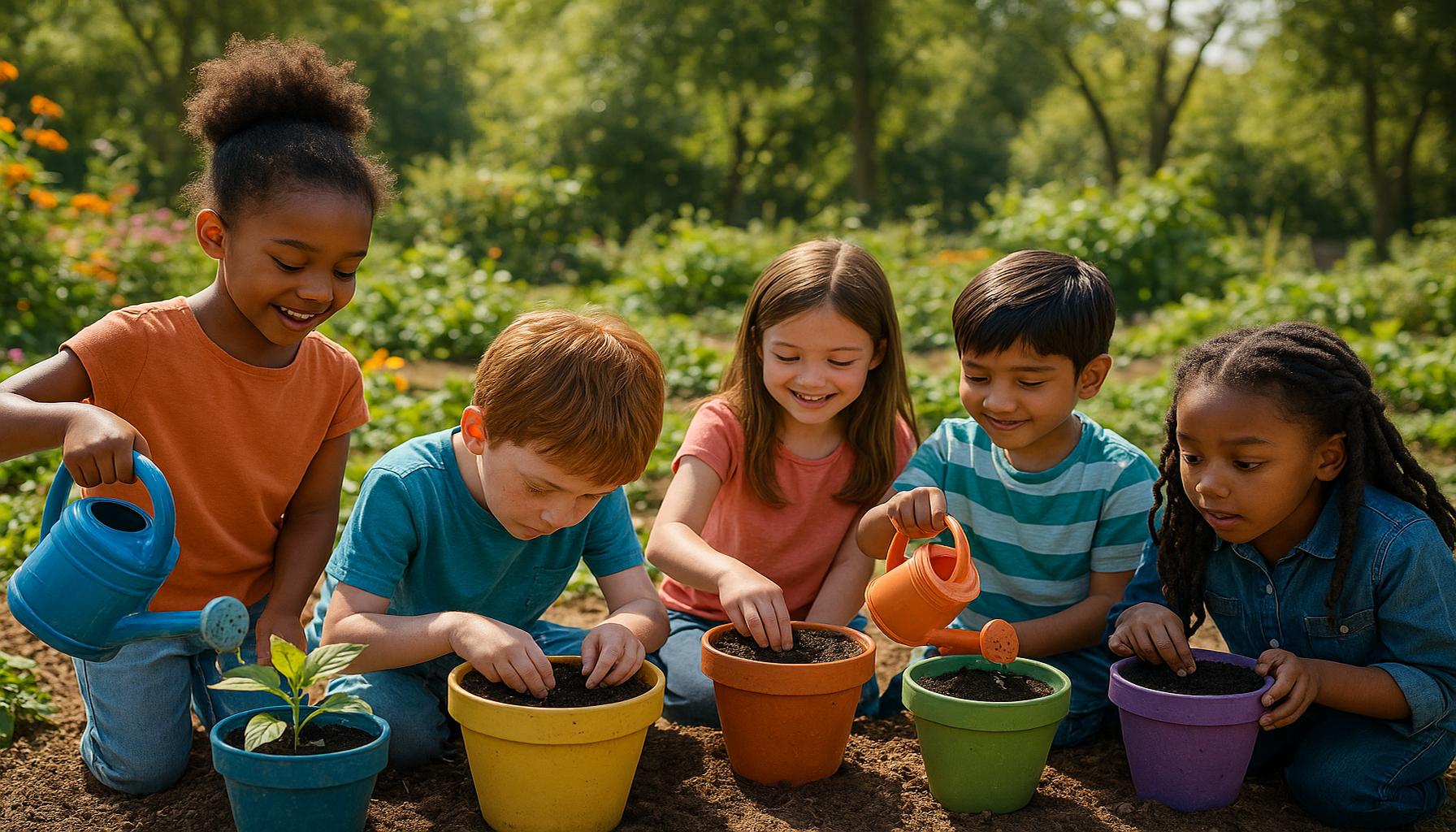
As you explore the world of sustainable gardening, you’ll find that the benefits extend well beyond your backyard. From reducing carbon footprints to supporting local wildlife, the impact of sustainable gardening is profound. For example, community gardens in urban areas not only provide fresh fruits and vegetables but also strengthen community bonds and promote awareness about environmental stewardship. The movement towards responsible gardening is also echoed in educational programs that educate young people about the importance of sustainability and conservation.
Join the movement toward responsible gardening and discover how your efforts, no matter how small, can result in a thriving, resilient landscape. By making informed choices and embracing sustainable practices, gardeners can play an essential role in battling climate change, promoting biodiversity, and improving the health of our planet. Each time we choose to garden sustainably, we plant the seeds of a greener future for generations to come.
DIVE DEEPER: Click here to uncover the magic of musical improvisation
Embracing Sustainable Gardening Techniques
To foster a greener garden, understanding and implementing sustainable gardening techniques is essential. Each method not only reduces environmental impact but also enhances the overall health of your garden ecosystem. Whether you are a seasoned gardener or a novice just starting, these practices are accessible and effective, contributing to the well-being of both your garden and the planet.
Essential Sustainable Gardening Techniques
Here are some essential techniques to incorporate into your sustainable gardening practices:
- Soil Health: Building a healthy foundation is paramount. Healthy soil is rich in organic matter, which supports robust plant growth. You can enrich your soil by using cover crops, which are planted during off-seasons to prevent erosion and improve soil structure. Additionally, practicing crop rotation helps maintain soil health by preventing nutrient depletion.
- Mulching: Applying a layer of organic material such as straw, wood chips, or grass clippings can reduce water evaporation, suppress weeds, and maintain a stable soil temperature. This simple act not only saves time in garden maintenance but also contributes to soil fertility as the mulch breaks down over time.
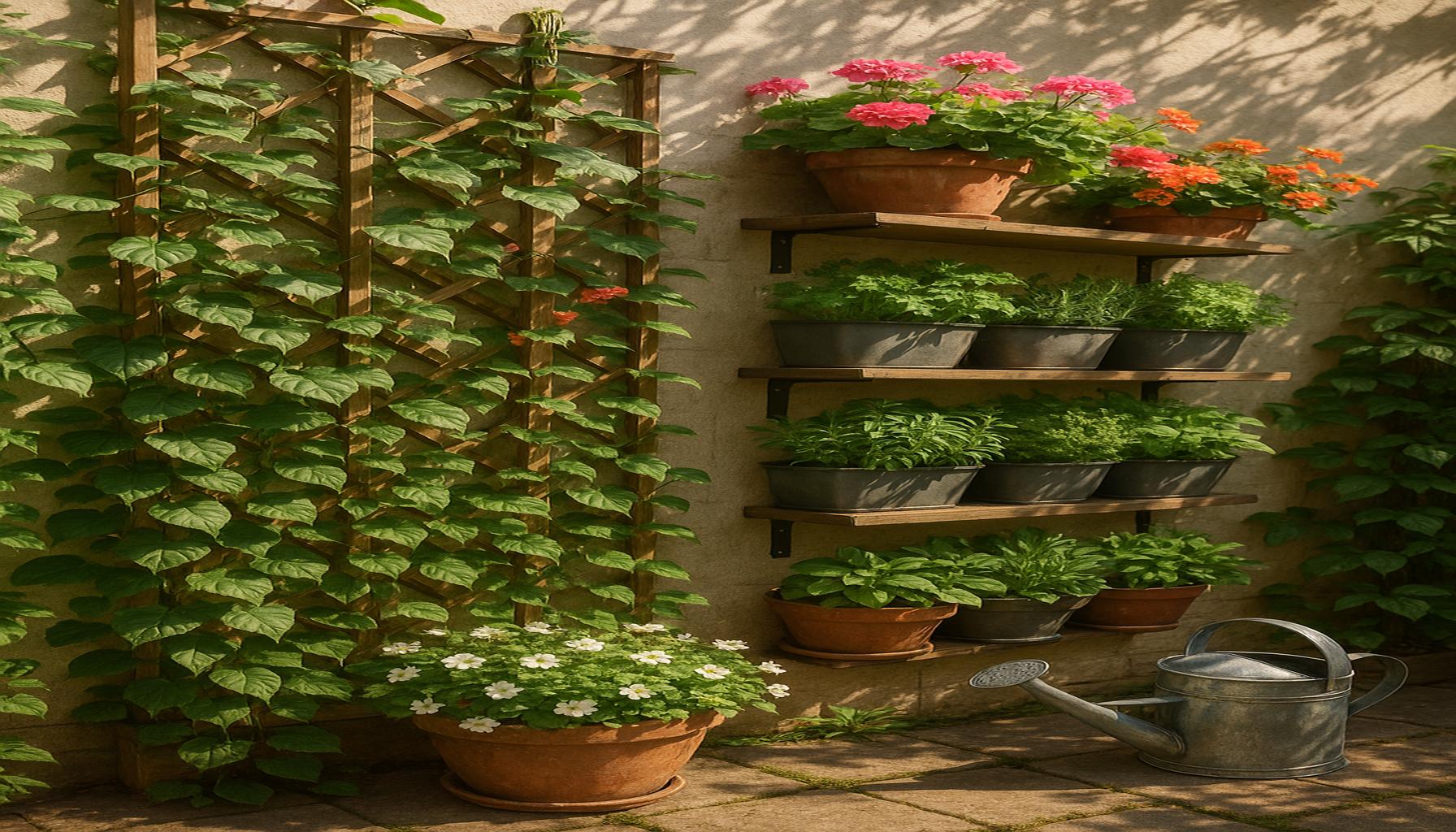
- Permaculture: This design philosophy focuses on creating self-sustaining ecosystems that mimic natural landscapes. By integrating various plants, using vertical gardening, and optimizing space, gardeners can create habitats that support wildlife and produce food in harmony with nature. Permaculture emphasizes the interaction between plants and animals, making it an increasingly popular practice among eco-conscious gardeners.
- Organic Fertilizers: Instead of using synthetic fertilizers that can harm the environment, organic options such as compost tea, fish emulsion, or seaweed extracts provide nutrients without adverse effects. These organic fertilizers improve soil texture and encourage beneficial microorganisms that support plant health.
- Seasonal Gardening: Planting according to the seasons and adapting to local climate conditions promotes a more resilient garden. Native and drought-tolerant plants are particularly well-suited to your garden’s environment, allowing for lower maintenance and reduced water use.
Adopting these techniques paves the way for a sustainable gardening journey. With each step, gardeners not only enhance their immediate surroundings but also contribute to larger ecological goals. Sustainable practices can lead to less water usage, reduced carbon emissions, and increased biodiversity. They create green spaces that can thrive, encouraging beneficial insects and wildlife like birds and butterflies to inhabit and support the garden ecosystem.
Exploring Local Resources
A pivotal aspect of sustainable gardening is leveraging local resources. Many communities across the United States offer workshops and resources that promote sustainable practices. From community-supported agriculture (CSA) programs to local extension services, the opportunity to learn from experts and fellow gardeners is abundant. Engaging with local gardening clubs can provide valuable insights and foster a sense of community around shared environmental goals.
As you delve into these sustainable gardening methods, remember that even small choices can yield significant benefits. By starting with these foundational practices, you are taking meaningful steps toward a more ecologically responsible gardening approach, ultimately leading to a healthier planet.
| Advantages | Description |
|---|---|
| Biodiversity Promotion | Implementing sustainable practices encourages the growth of various plant species, fostering a balanced ecosystem in your garden. |
| Soil Health Improvement | Utilizing methods like composting and crop rotation enhances soil quality, making it more fertile and retaining moisture effectively. |
| Water Conservation | Techniques such as rainwater harvesting and drip irrigation significantly reduce water waste while ensuring plants receive adequate hydration. |
| Pesticide Reduction | By integrating natural pest control methods, you minimize harmful chemical use, thus supporting a healthier environment. |
Sustainable gardening is not just a trend, but a vital practice for ecological balance. Implementing these methods significantly benefits not only the gardener but also the broader environment. As interest in environmental issues grows, adopting these ecological practices can lead to a more rewarding and responsible gardening experience. Each advantage reinforced by thoughtful practices urges the aspiring gardener to explore the full potential of their green spaces while contributing positively to the planet. By enhancing biodiversity, improving soil health, promoting water conservation, and reducing reliance on harmful pesticides, every garden can emerge as a sanctuary not just for plants, but also for insects and wildlife, ensuring a greener future for all.
DON’T MISS: Click here to start your gardening journey
Integrating Wildlife into Your Garden
One of the most compelling aspects of sustainable gardening is the opportunity to create a sanctuary for wildlife. By incorporating elements that attract beneficial insects, birds, and other wildlife, you can foster a vibrant ecosystem that works in harmony with your plants. This diversity not only contributes to a resilient garden but also enhances the beauty and vitality of your outdoor space.
Creating Habitat Spaces
To attract local wildlife, consider the following strategies for creating habitat spaces within your garden:
- Native Plantings: Utilizing native plants is crucial in transforming your garden into a wildlife refuge. These plants are well-adapted to the local environment and provide necessary food and shelter for native insects and birds. For example, planting milkweed can attract monarch butterflies, while native flowering plants like coneflowers and daisies support various pollinators.
- Water Features: Incorporating a small pond, birdbath, or water feature can make your garden more inviting to wildlife. Birds, butterflies, and beneficial insects need water for survival and will flock to places that provide easy access to it. Even a simple, shallow dish can be effective — just make sure to change the water frequently to keep it fresh.
- Wildlife Shelters: Consider adding birdhouses, bat boxes, or insect hotels to your garden. These structures offer shelter and breeding spaces for various species, enhancing biodiversity. For instance, providing a nesting box for bluebirds can help keep their population stable while adding vibrant color to your garden.
- Pollinator Pathways: Establishing a pollinator pathway with a mix of flowering plants that bloom at different times can sustain pollinators throughout the growing season. This helps ensure that bees, butterflies, and other pollinators have a consistent food source, while also benefiting your garden’s productivity.
Integrating these habitat features can help cultivate an ecological balance. The interaction between wildlife and plants creates a more resilient system, where natural processes contribute to pest control and pollination, reducing the need for chemical interventions.
Maximizing Resource Efficiency
Another important aspect of sustaining your garden is resource efficiency. Reducing waste and conserving resources contributes to your garden’s lusher growth while minimizing environmental impacts:
- Rainwater Harvesting: Collecting rainwater through barrels or cisterns can significantly reduce your reliance on municipal water supplies. Using this water to irrigate your garden not only conserves resources but also allows you to utilize naturally soft water, which is gentler on plants.
- Composting: Composting kitchen scraps, yard waste, and organic materials generates nutrient-rich soil amendments. This practice diverts waste from landfills while returning valuable nutrients to your garden. By implementing a compost system, you can also reduce the need for synthetic fertilizers, supporting your goal of a greener garden.
- Energy-Efficient Practices: Implementing energy-efficient gardening methods — such as using solar lights, rain sensors for irrigation systems, and electric gardening tools — can further reduce your ecological footprint. Consider investing in local, energy-efficient resources to minimize the overall energy consumption linked to maintaining your garden.
These resource-efficient practices align with the goals of sustainable gardening by minimizing waste and conserving natural resources, ultimately fostering a healthier planet. By cultivating a strong relationship with nature through mindful practices, each gardener can leave their mark on the environment, contributing to a collective effort toward sustainability.
DISCOVER MORE: Click here to delve into the evolution of music
Conclusion
In conclusion, adopting sustainable gardening practices not only enhances the environment but creates a flourishing ecosystem within your outdoor space. As we’ve explored, the integration of wildlife through native plantings, water features, and shelters paves the way for a more resilient garden, attracting beneficial insects and birds that play vital roles in pollination and pest control. Coupled with resource-efficient methods such as rainwater harvesting, composting, and energy-efficient tools, these practices significantly reduce waste and conserve precious resources.
The beauty of sustainable gardening lies in its ability to connect us with nature. Every seed planted, every compost bin filled, and every birdhouse installed contributes to a larger narrative of environmental stewardship. By embracing these ecological practices, gardeners across the United States can transform their spaces into not just aesthetic havens but also vital habitats that support biodiversity and combat climate change.
Now is the time to embark on your journey towards a greener garden. As you cultivate your plot, remember that the choices you make, no matter how small, can create ripples of positive impact for our planet. Explore local resources, engage with community gardening initiatives, and continue to educate yourself on innovative techniques that prioritize sustainability. The future of gardening is bright and green—let’s nurture it together.