Tasting Traditional Dishes: A Culinary Tour of Nigeria’s Regions
Exploring Nigeria’s Culinary Heritage
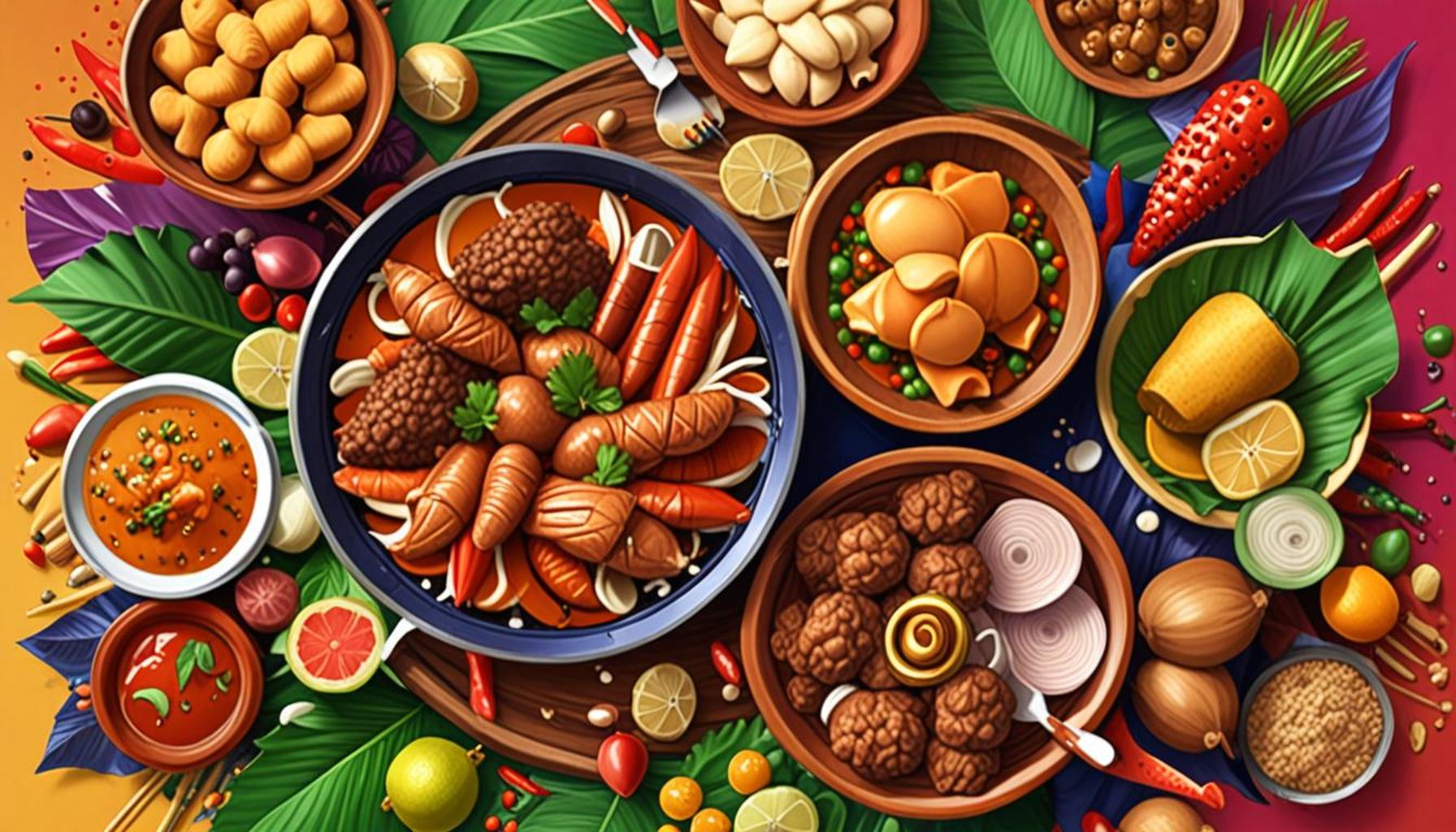
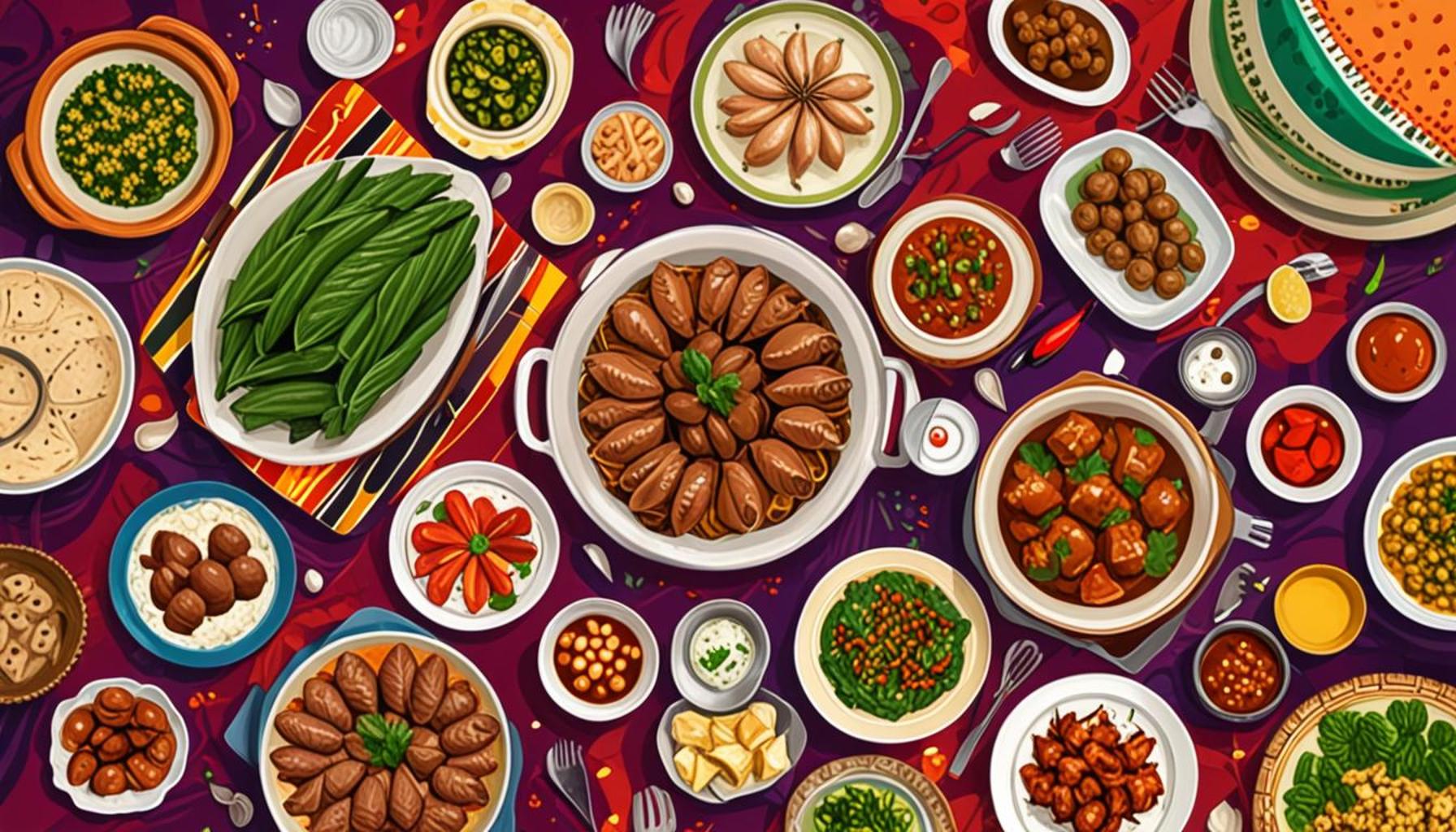
Nigeria is a tapestry of diverse cultures, each region boasting its own unique culinary offerings. From the spicy stews of the North to the vibrant seafood dishes of the South, every bite tells a story. This culinary journey reveals the rich history and traditions that shape Nigeria’s gastronomy. The country is home to over 250 ethnic groups, which adds layers of complexity and flavor to its cuisine, making Nigerian food not just a meal, but a cultural experience that connects generations.
Regions and Their Signature Dishes
- North: Indulge in Pounded Yam and Egusi Soup, a hearty combination that showcases local seeds. Egusi, derived from melon seeds, is ground and often cooked with leafy vegetables. This dish is a staple, frequently enjoyed during festive occasions and gatherings, reflecting the Northern tradition of communal dining.
- Southwest: Experience the sweetness of Efo Riro, a flavorful spinach stew bursting with spices. Often made with palm oil, assorted meats, and a bounty of spices, Efo Riro symbolizes the easy-going, rich culinary heritage of the Yoruba people. It’s commonly served with rice or different kinds of swallow, showing the adaptability of the dish across various palates.
- Southeast: Savor the unique taste of Ofe Nsala, a fragrant white soup that captivates with its simplicity. Traditionally made with catfish and yam, this soup is often enjoyed during special occasions and is believed to have healing properties. Its lightness and simplicity illustrate the Southeast’s appreciation for clean flavors and natural ingredients.
- South-South: Delight in the rich flavors of Catfish Pepper Soup, a warming dish often enjoyed during gatherings. Commonly infused with ingredients such as ginger, pepper, and various spices, this dish is not only a comfort food but also serves as a social dish often shared among friends and family, especially during festive celebrations.
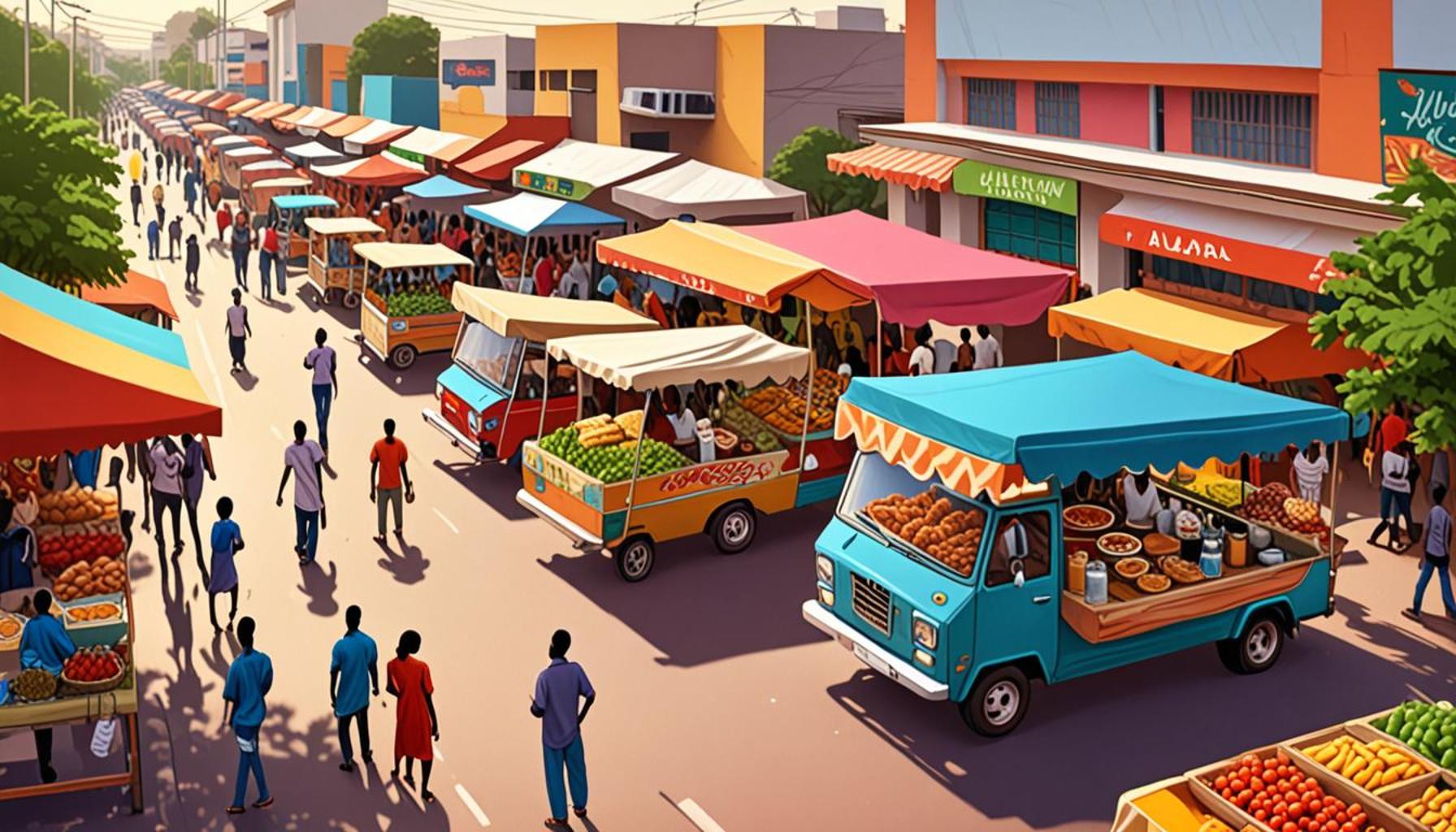
Nigeria’s culinary scene is not just about eating; it is a celebration of community and heritage. Each dish offers an opportunity to connect with the customs and traditions of the people, inviting food lovers to embark on a sensory adventure. As you explore the regions, prepare to discover the distinctive ingredients and recipes that have been passed down through generations. From the bustling markets where fresh produce is sourced to the home kitchens where recipes evolve, there is a story behind each dish waiting to be discovered.
Why Tasting Matters
Sampling traditional dishes provides insight into Nigeria’s vast cultural landscape. It encourages appreciation for local agriculture and the art of cooking. For instance, the prominence of yams in the North showcases farming practices developed over generations, while the use of spices in southern dishes reflects trade influences from across the globe. Culinary tourism is becoming increasingly popular in Nigeria, allowing locals and visitors to experience this vibrant culture through food. Join us as we dive deeper into the flavors, stories, and the roots behind each dish on this exciting culinary tour, revealing how each meal is a celebration of not just sustenance but heritage and identity.
LEARN MORE: This related article may interest you
Flavors of the North
The North of Nigeria is renowned for its rich and hearty dishes, influenced by its agricultural bounty and nomadic traditions. Here, you will encounter dishes like Pounded Yam and Egusi Soup, which stands as a staple, especially during significant cultural gatherings. The Egusi soup, made from ground melon seeds, is enriched with a variety of local vegetables, often complimented by assorted meats or fish, creating a savory experience that not only nourishes but also fosters community. Pounded yam, a classic side dish, offers the perfect complement to the thick, stew-like soup, allowing diners to enjoy a tactile eating experience.
Another popular dish is the Suya, skewered, spicy meat grilled to perfection. This street food delicacy has become synonymous with Northern cuisine, often served with sliced onions and tomatoes, and is a must-try for those craving a burst of flavor. The spices used in Suya, particularly the pepper and ground nuts, reflect the region’s penchant for bold tastes that leave a lasting impression.
A Taste of the Southwest
Moving southwards, the Southwest region showcases a diverse array of dishes, with Efo Riro leading the way. This special spinach stew not only tantalizes with its mix of fragrant spices and palm oil but is also a testament to the food culture among the Yoruba people. Often incorporating assorted proteins and freshly ground spices, Efo Riro stands out as a versatile dish that can be paired with rice, plantains, or various swallows like Amala or Fufu. The preparation of Efo Riro reflects the Yoruba philosophy of cooking—layering flavors while respecting the quality of the ingredients used.
Exploring the Southeast
As we move to the Southeast, the culinary experience shifts towards dishes notable for their simplicity and elegance. Ofe Nsala captures the essence of this region beautifully; a white soup that is light yet packed with flavor. Traditionally made from catfish and yam, its preparation eliminates heavy spices, allowing the quality of the ingredients to shine through. This dish is often prepared during special occasions, indicating its importance in the cultural fabric of the Igbo people. The belief in its health benefits further emphasizes the connection between food and well-being in southeastern traditions.
Rich Seafood Treasures of the South-South
In the South-South region, seafood takes the spotlight with dishes like Catfish Pepper Soup. This soothing, spicy broth is not just a comfort food; it serves as a social dish, ideal for gatherings. With aromatic spices like ginger and various pepper types, the soup is invigorating and perfect for shared meals during festivities. The use of local herbs and spices showcases the South-South’s expertise in crafting dishes that reflect both their environment and culinary heritage.
Discovering these traditional dishes is not merely about indulging in flavors; it’s a gateway to understanding the rich tapestry of Nigeria’s cultural identity. Each dish, with its unique ingredients and preparation methods, is a narrative that connects past and present, inviting you to delve deeper into the culinary traditions that define each region.
| Category | Description |
|---|---|
| Regional Varieties | Nigeria’s diverse regions, from the spicy stews of the South to the rich soups of the North, showcase unique flavors. |
| Cultural Significance | Each dish reflects the local history and traditions, often linked to ceremonies and communal gatherings. |
In exploring the depths of traditional Nigerian cuisine, one cannot overlook the incredible variety stemming from its rich cultural mosaic. The regional varieties found across Nigeria immensely contribute to the culinary landscape. For instance, the spicy jollof rice associated with the Southwest is revered for its irresistible flavors, while the Northern regions are known for their hearty tuwo shinkafa and sauces that capture the essence of the savannah. Understanding the cultural significance of these dishes is equally captivating. Many meals are more than just food; they represent rituals and bonding moments for families and communities. For example, the celebration of weddings often features the preparation of specially made dishes designed to honor the joining of families, further emphasizing the role of food in social harmony. The cuisine is not merely about sustenance; it weaves a narrative that connects people to their roots and shared history. This culinary journey through Nigeria is not just about tasting flavors; it’s about experiencing a vibrant culture that invites exploration and appreciation of each region’s unique contributions.
LEARN MORE: This related article may interest you
Adventurous Flavors of the Northeast
The Northeast region of Nigeria introduces an exhilarating array of flavors, heavily influenced by its diverse ethnic groups. One dish that stands out is the Tuwo Shinkafa, a traditional rice dish often complemented with Gravy or Miyan Kuka, a soup made from powdered baobab leaves. This dish reflects the cultural convergence in the region, where rice has become a staple food thanks to its adaptability to local cuisines. The soft, sticky texture of Tuwo Shinkafa pairs perfectly with the rich, savory soup, making it a beloved comfort food that is often shared among families during communal meals.
Another noteworthy offering from the Northeast is Baba Gida Adamu, a traditional porridge made from ground corn. Its preparation varies significantly among different communities, but if you are seeking a hearty breakfast, this dish topped with sugar, honey, or milk offers both nourishment and satisfaction. The versatility of Baba Gida Adamu is evident, as it can be enjoyed both sweetened or seasoned with spices, catering to a range of palates.
Culinary Gems of the Central Region
Deep in the heart of Nigeria lies the Central region, where culinary delights are characterized by diverse influences from both Northern and Southern cuisines. A definitive dish is Ofada Rice with Ayamase Sauce, a local variety of rice accompanied by a spicy green pepper sauce made with green bell peppers, onions, and a range of spices. This dish captures the essence of Nigerian flavors and features frequently at weddings and festive occasions. The rich, earthy taste of the Ofada rice, unique to the area, owes its distinct flavor to the soil it grows in, discovering the origins of ingredients invites you to appreciate them even more.
The Gbegiri Soup, made from blended beans, also makes a prominent appearance in Central cuisine. It is often served with Swallows such as Eba or Fufu. Gbegiri is a dish infused with history, traditionally linked to the Yoruba community but now enjoyed by various ethnicities. The discovery of this soup brings forth the wisdom of utilizing legumes for their nutritional value, exemplifying the innovative culinary practices that have thrived over generations.
Unexpected Flavors from the Southwest
The culinary landscape of the Southwest also offers some hidden gems waiting to be uncovered. One such dish is Ikokore, a yam pudding made from grated yam and often cooked with fresh fish and rich palm oil. This dish stands apart for its unique texture and robust flavor profile, which is enhanced by key spices and seasonings. Frequently enjoyed during festive gatherings, Ikokore embodies the community spirit found in Nigerian celebrations.
Additionally, the region is home to Ogi, a fermented cereal pudding that serves as both a breakfast dish and a nutritious option for infants. Its preparation involves the fermentation of maize, sorghum, or millet, leading to a naturally sweet and tangy flavor. Often enjoyed with Akara (bean cakes), Ogi represents the ingenuity of Nigerian cuisine where health benefits are seamlessly integrated into daily meals.
Tasting these traditional dishes allows us to experience the heart and soul of Nigeria’s rich culinary heritage. Each bite narrates a story of generations, blending flavors, and historical influences that shape the cultural identity of each region. This culinary tour through Nigeria’s diverse regions showcases the intricate relationship between food and cultural expression, inviting you to delve deeper into the nation’s gastronomic offerings.
ADDITIONAL INSIGHTS: Expand your understanding here
Conclusion: A Flavorful Journey Awaits
Exploring Nigeria’s traditional dishes is akin to embarking on a fascinating journey through its rich cultural tapestry. Each region, with its unique culinary offerings, invites you to delve into generations of traditions and flavors that have evolved over time. From the Tuwu Shinkafa of the Northeast, reflecting the communal spirit of its people, to the earthy Ofada Rice with Ayamase Sauce of the Central region, each dish tells a story of its origin and the communities that birthed it.
The Southwest surprises us with delightful creations such as Ikokore and Ogi, revealing the innovation and adaptability of Nigerian cuisine. This culinary adventure does not only satiate the appetite but also deepens our understanding of the social and cultural dynamics that characterize Nigeria. Embracing these traditional dishes allows us to connect with the vibrant history and deeper significance that food holds in everyday life.
As you savor these authentic meals, consider the unique ingredients and preparation methods that highlight local resources. This understanding fosters appreciation for the regions and the hands that craft these masterpieces. Whether you are a local or a tourist, tasting these traditional dishes offers a portal into the heart of Nigeria. So, gather family and friends, indulge in a meal, and celebrate the rich flavors that constitute Nigeria’s culinary heritage— a journey of taste awaits that promises not only to fill your stomach but also to feed your curiosity about the nation’s diverse culture.