The Art of Container Gardening: Techniques for Creating Mobile Arrangements
Transforming Spaces with Container Gardening
Imagine the possibility of cultivating an enchanting garden in the smallest of spaces. With container gardening, this dream becomes a reality, allowing you to create lush landscapes right on your balcony or patio. This approach not only revitalizes your outdoor aesthetics but also offers the opportunity to showcase an array of botanicals that suit your style, even in urban settings. From colorful blossoms to fragrant herbs, container gardening presents a myriad of options for every gardening enthusiast.
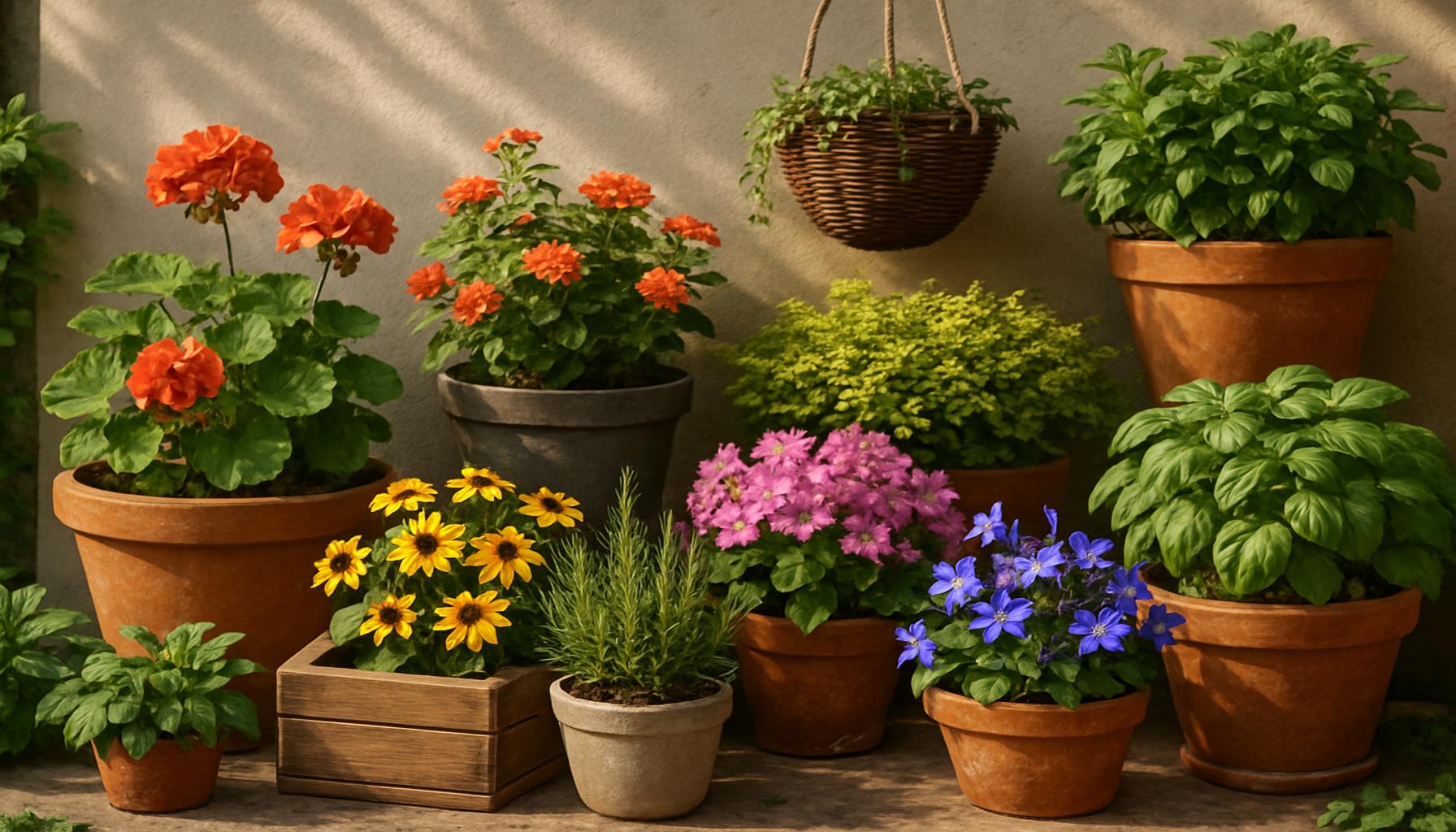
One of the remarkable aspects of container gardening is its versatility. You can adapt your garden to fit any space, large or small. For instance, if you live in a high-rise apartment, utilizing vertical planters or stacked containers allows you to maximize your growing area without sacrificing floor space. Conversely, if you have a sprawling backyard, large decorative pots or raised beds can serve as focal points, creating visual interest. Furthermore, using a variety of containers, from reclaimed wood boxes to sleek ceramic pots, enhances the artistic element of your garden.
An equally significant feature is the mobility that container gardening provides. Unlike traditional gardening, where plants are rooted in the ground, pots can be repositioned based on changing light conditions or seasonal themes. For instance, you might wish to place sunflowers in a spot that receives ample morning sunlight, then relocate them for a summer gathering, showcasing your flourishing green thumb to guests. This adaptability is essential during the winter months as well; you can bring your plants indoors to protect them from frost and maintain their health.
Moreover, container gardening is accessible, making it a perfect choice for individuals with limited mobility or those new to gardening. The elevated height of containers can reduce strain on the back and knees, making it easier to tend to plants without excessive bending. Furthermore, the use of self-watering pots can alleviate the need for frequent maintenance, ensuring that even the busiest individuals can enjoy the benefits of gardening.
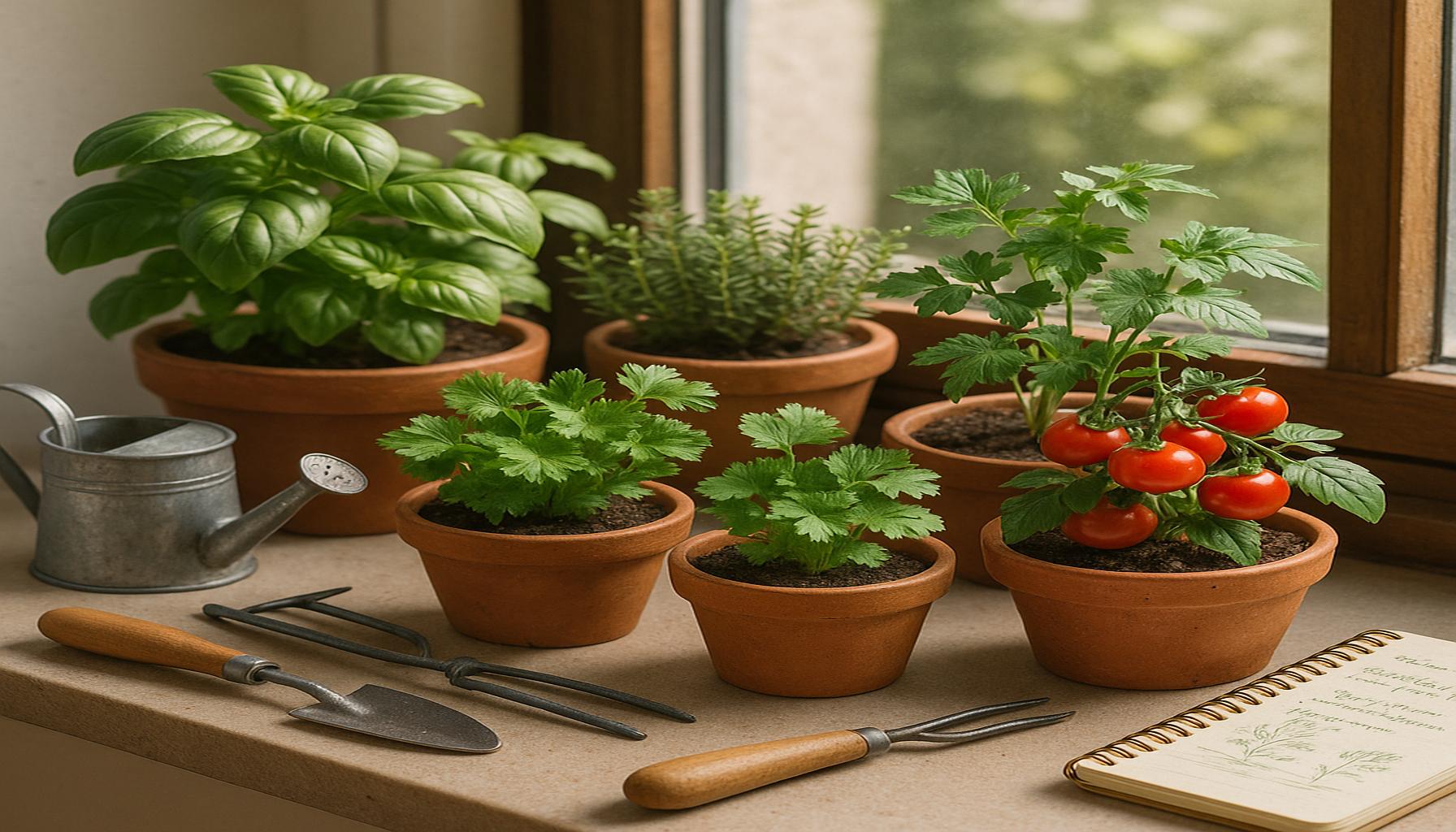
Container gardening also allows for a delightful exploration of plant varieties that thrive in restricted spaces. Consider incorporating herbs like basil, mint, or rosemary into your arrangement, not only for their culinary uses but also for the aromatic enhancement they provide to your environment. Additionally, flowers like geraniums, petunias, and zinnias can create stunning displays that change with the seasons. Mixing and matching different species encourages creativity and fosters a deepening appreciation for nature.
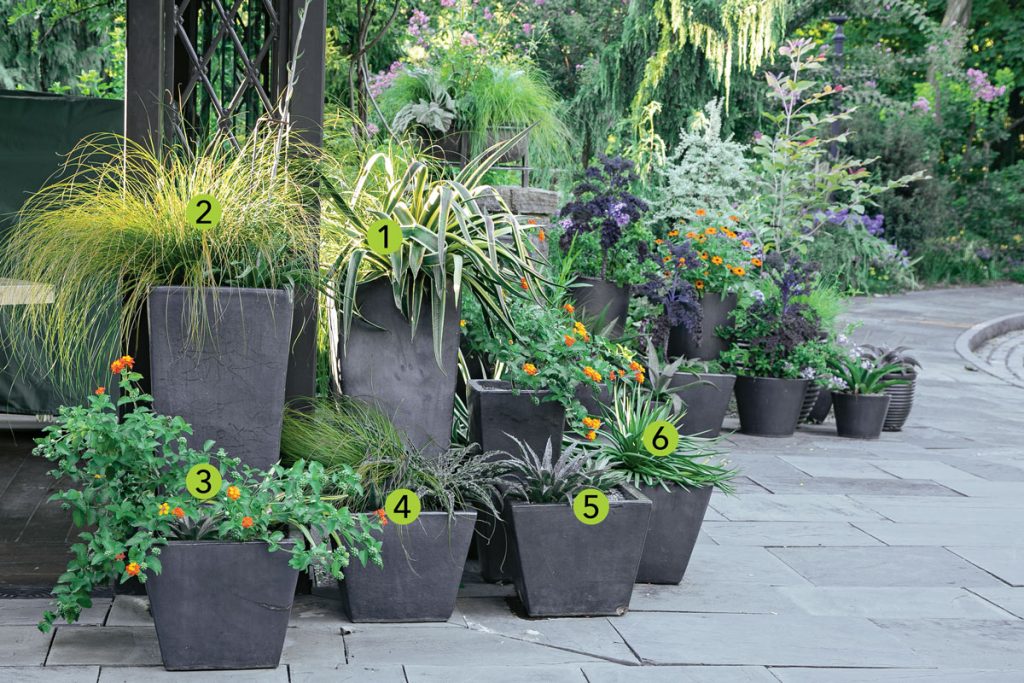
Whether you’re a seasoned gardener or just beginning your journey, the realm of container gardening invites you to experiment and think outside the box. As you cultivate your green space, you will find joy in nurturing not just plants, but also your connection with the earth. So, gather your pots, soil, and seeds, and dive into the abundant world of container gardening—where every arrangement tells a story and every plant can flourish in its own unique way.
DIVE DEEPER: Click here to discover new literary styles
Essential Techniques for Successful Container Gardening
To embark on your journey into container gardening, it’s vital to understand the techniques that will help you create beautiful and thriving mobile arrangements. The success of your garden relies heavily on choosing the right containers, selecting suitable plants, and employing effective maintenance strategies. Here are some essential techniques to guide you in creating stunning container gardens that not only enhance your space but also keep your plants healthy.
Choosing the Right Containers
The first step in container gardening is selecting the appropriate vessels for your plants. Containers come in a multitude of materials including ceramic, plastic, metal, and wood, each offering unique benefits and aesthetic appeal. When choosing your containers, consider the following:
- Drainage: Ensure your containers have adequate drainage holes to prevent water accumulation and root rot.
- Size: Larger pots can accommodate bigger root systems and retain moisture better, while smaller pots may dry out quickly.
- Material: Heavier materials like ceramic may withstand wind better, whereas lighter pots are portable and easier to relocate.
- Insulation: Some materials provide better insulation against temperature fluctuations, crucial for protecting roots in extreme weather.
Selecting the Right Plants
Next, think about what plants you want to cultivate in your containers. Choosing the right combination not only enhances visual appeal but also encourages healthy growth. Here are a few tips for selecting plants:
- Consider sunlight: Understand the sunlight requirements of your plants. Group plants with similar light needs to ensure they all thrive.
- Think about height: Create a visually interesting arrangement by varying the heights of the plants. Place taller plants in the center or back, and shorter ones in front.
- Blend textures: Combining plants with differing leaf shapes and textures can add depth to your design, making it more eye-catching.
- Seasonality: Opt for seasonal flowers or hardy perennials to ensure your arrangements look lively throughout the year.
Soil and Fertilization
A common misconception in gardening is that any soil will do. In reality, the soil you choose can make or break your container garden. Use a high-quality potting mix designed specifically for containers to provide better drainage and aeration. Additionally, applying a slow-release fertilizer during your planting process can provide essential nutrients throughout the growing season. Regularly monitor your plants and adjust fertilization as needed based on growth and health.
By employing these foundational techniques in container gardening, you can create vibrant, mobile arrangements that are both beautiful and functional. Observing and understanding the needs of your plants will facilitate a flourishing garden, transforming mundane spaces into enchanting retreats. Now, let’s delve deeper into the art of maintaining your container garden for long-term success.
The Art of Container Gardening: Techniques for Creating Mobile Arrangements
Container gardening offers a versatile solution for those wishing to bring greenery into their outdoor or indoor spaces. One of the most appealing aspects of this gardening technique is the ability to create mobile arrangements. By utilizing lightweight pots and optimal plant combinations, even the smallest spaces can transform into lush sanctuaries. Let’s delve into some essential techniques that enhance the experience of container gardening.
| Advantage | Description |
|---|---|
| Flexibility | Container gardening allows for easy rearrangement of your plants based on seasonal changes, sunlight conditions, and aesthetic preferences. |
| Space-saving | Ideal for urban dwellers, mobile arrangements can fit into small balconies, patios, or window sills, providing greenery without the need for a traditional garden bed. |
Another core benefit of container gardening is its low maintenance nature. Unlike traditional gardens, containers can be designed to accommodate specific plants with similar watering and sunlight needs, simplifying the care process.
With mobile arrangements, gardeners can be creative with their plant choices, combining flowers, herbs, and vegetables in visually appealing displays. This not only maximizes beauty but also encourages biodiversity, presenting opportunities for unique plant pairings that can thrive together.
To bring your container garden to life, consider the importance of drainage when selecting pots. Adequate drainage holes prevent water accumulation and root rot, ensuring the health of your plants. Additionally, incorporating varying heights and textures within your arrangements can create a dynamic aesthetic that catches the eye.
The art of container gardening is as much about the plants as it is about the creativity involved in arrangements. Explore diverse plant combinations, seasonal themes, and colorful pots to truly make your mobile garden a reflection of your personal style.
DISCOVER MORE: Click here to learn how music connects communities
Maintaining Your Container Garden: Tips for Long-Term Success
Once you’ve established your container garden, the key to its longevity lies in ongoing maintenance and care. Container gardening not only offers the flexibility of mobility but also demands a disciplined approach to ensure your plants thrive throughout the seasons. Here are essential maintenance techniques that will keep your portable arrangements flourishing and visually appealing.
Watering Wisely
Watering is perhaps the most critical aspect of maintaining your container garden. Unlike traditional garden beds, containers tend to dry out quickly due to their limited soil volume and the exposure of their surfaces to sunlight. Here are some best practices for effective watering:
- Frequency: Water your containers thoroughly, allowing water to seep through the drainage holes at the bottom. This may require daily attention during hot summer months, particularly for thirsty plants like tomatoes and cucumbers.
- Soil moisture: Check the top inch of soil before watering. If it feels dry to the touch, it’s time to water. Consider using moisture meters for a more precise approach, particularly for beginner gardeners.
- Time of day: Early morning is the optimal time to water your containers, as this allows plants to absorb moisture before the heat of the day evaporates it.
Pruning and Deadheading
Regular pruning and deadheading are vital for maintaining the aesthetic appeal and health of your container arrangements. These practices promote new growth and prolong flowering periods, leading to more vibrant displays. Here are some tips:
- Deadheading: Remove spent flowers to encourage new blooms and prevent plants from going to seed. This is especially beneficial for annuals that are designed to produce flowers throughout the season.
- Pruning: Trim back overgrown or diseased stems to improve air circulation and light penetration. This will significantly enhance the overall health of your plants.
- Seasonal adjustments: As seasons change, consider swapping out plants to maintain visual interest. Transitioning to fall-inspired arrangements or winter greens can keep your garden lively year-round.
Pest and Disease Management
Container gardens can be susceptible to pests and diseases; however, proactive management can help minimize risks. Here are essential strategies for safeguarding your plants:
- Regular inspection: Check for signs of pests, such as aphids, spider mites, or whiteflies. Early detection allows for immediate action, preventing infestation from escalating.
- Natural deterrents: Consider using organic pest control methods, such as neem oil or insecticidal soap, to combat common pests while maintaining a healthy environment for beneficial insects.
- Disease prevention: Avoid overcrowding your pots to allow for airflow, and ensure your plants are well-spaced. Rotate crops each growing season to prevent soil-borne diseases from taking hold.
Fertilizing for Growth
To fully optimize your container garden’s potential, proper fertilization is crucial. Since containers can deplete nutrients more rapidly, supplementing your plants with the right fertilizers will keep them healthy and vigorous. Consider these guidelines:
- Types of fertilizers: Use a balanced, water-soluble fertilizer or organic options like compost tea to feed your plants. Liquid fertilizers can provide nutrients efficiently, making them ideal for container arrangements.
- Application frequency: Fertilize every four to six weeks during the growing season. However, be cautious; over-fertilization can cause nutrient burn and harm your plants.
- Observing plant response: Monitor how your plants respond to fertilizer applications. Adjust based on their growth patterns, and tailor your approach to specific plant needs.
With these ongoing maintenance strategies, you’ll ensure your container gardens thrive while adding beauty to your home or outdoor space. As you cultivate an eye for balance and aesthetics, you’ll continually discover new ways to enhance your mobile arrangements, creating a dynamic expression of your passion for gardening.
DISCOVER MORE: Click here to dive deeper into the power of music
Conclusion: Embracing the Elegance of Container Gardening
In summary, container gardening presents an unparalleled opportunity to explore creativity while reaping the benefits of flexibility and mobility in your gardening pursuits. By employing the various techniques discussed, from choosing the right plants to ensuring proper maintenance, you can cultivate stunning arrangements that enhance any space—whether on a balcony, patio, or even indoors.
Understanding the nuances of water management, fertilization, and pest control is essential to the success of your container garden. As seasons change, so too can your selections; embracing seasonal adjustments not only keeps your arrangements vibrant but also invites a sense of renewal. Don’t shy away from experimenting with combinations and styles, allowing your preferences to guide the way you curate your mobile arrangements.
Ultimately, container gardening is more than just a means to beautify your environment—it’s a fulfilling hobby that connects you to nature while offering a canvas for your artistic expression. As you embark on your gardening journey, remember that each container holds the potential for transformation, inviting growth and beauty wherever it is placed. Explore resources, join local gardening communities, and immerse yourself in this art form. The world of container gardening awaits, and with every arrangement, a new story unfurls.