The Art of Presentation: How to Garnish Dishes Like a Professional Chef
Mastering the Visual Appeal of Your Culinary Creations
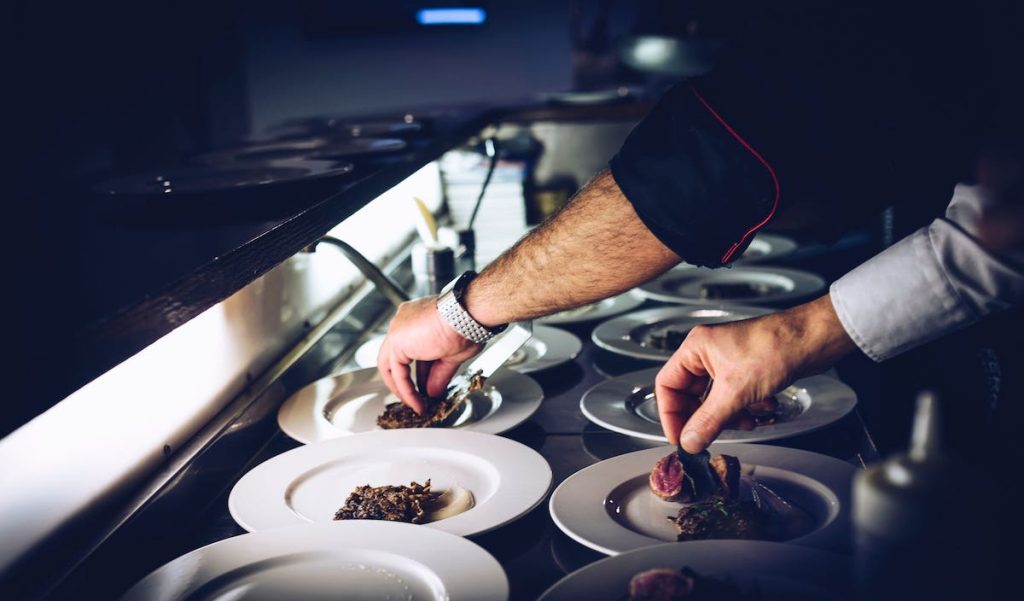
Your culinary journey doesn’t end at cooking; it extends to how you present each dish. Food presentation is an essential skill that can distinguish a simple meal from an extraordinary dining experience. Even the most humble ingredients can shine when garnished and plated with finesse.
Why Presentation Matters
In the world of gastronomy, visual aesthetics play a crucial role. Here’s why you should care about the art of presentation:
- First Impressions: People eat with their eyes first, so an attractive dish creates anticipation. For instance, think of a beautifully arranged plate of sushi—the colors and clean lines heighten your expectation of its taste.
- Enhanced Flavor: A well-presented dish can elevate the perception of taste. Research shows that when food looks appealing, diners often describe the flavors as more intense. A vibrant basil leaf atop a creamy alfredo sauce not only adds visual contrast but can also influence how you savor the dish.
- Memorable Experience: Unique presentations make meals unforgettable. For example, a dessert served in a mason jar not only provides a modern twist but also encourages a shareable experience, sparking conversation and social media shares.
Essential Elements of Food Garnishing
Understanding the basic components of garnishing can help you achieve professional-looking results. Consider incorporating:
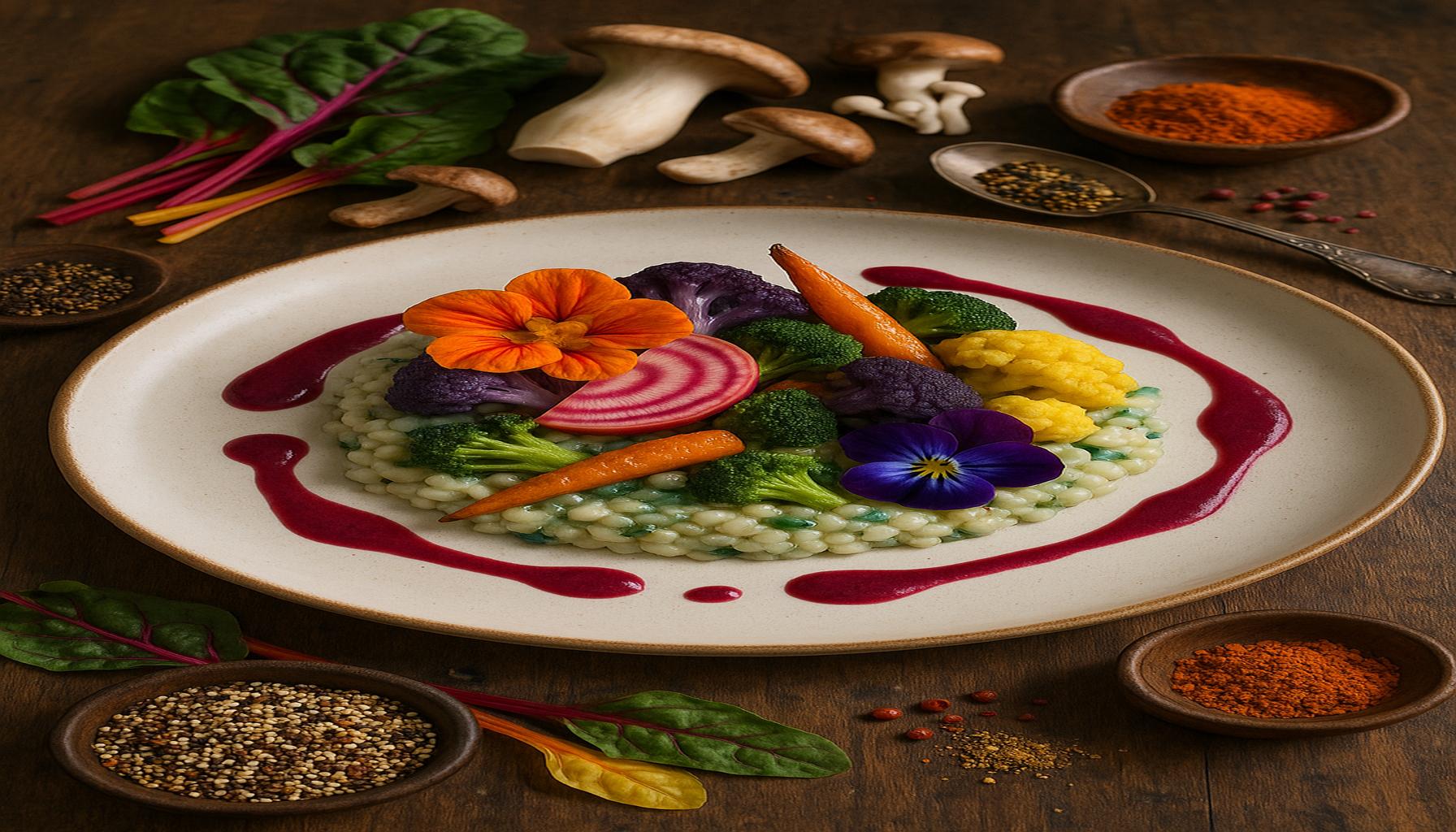
- Colors: Use vibrant vegetables, fruits, or sauces to create contrast. Think of a fresh heirloom tomato salad topped with a drizzle of balsamic reduction; the rich reds of the tomatoes and deep brown of the balsamic create a feast for the eyes.
- Textures: Combine creamy and crispy elements for an intriguing mouthfeel. Picture a creamy risotto paired with crunchy fried shallots—this not only adds texture but also elevates the dish to a new level of enjoyment.
- Shapes: Experiment with different cutting techniques to add visual interest. Using a ring mold to stack ingredients in a layered arrangement can transform a simple salad into a sophisticated centerpiece on your dining table.
As we delve deeper, you’ll discover tips, tricks, and techniques to transform your plated creations. Techniques such as the use of microgreens for finishing touches, how to create sauces with artistic flair, and plating techniques inspired by top chefs can substantially enhance your presentation skills. Prepare to impress guests and family alike with your newly acquired skills in garnishing like a professional chef!
Embrace the art and science of food presentation, and watch as each meal turns into a delightful visual experience, inviting both taste and admiration. Your culinary journey is just beginning, and there’s a world of colors, textures, and shapes waiting to be explored.
DIVE DEEPER: Click here to discover essential gardening techniques
Techniques to Elevate Your Garnishing Game
As any professional chef will tell you, the secret to elevating a dish often lies in the details. The right garnishing techniques not only enhance your food’s appearance but also contribute to the overall taste experience. Let’s explore some key techniques that will allow you to garnish like a pro and impress your guests.
Methodical Approaches to Garnishing
While creativity is vital in the kitchen, a methodical approach to food garnishing can solidify your outcomes. Here are some proven techniques to consider when plating your culinary creations:
- Layering: Building layers can create depth and visual intrigue. Start with a base of pureed vegetables or sauces, followed by your main ingredient, and top it off with various garnishes. For instance, layering grilled vegetables atop a bed of couscous can provide both aesthetic appeal and texture variation.
- Slice and Dice with Precision: The way your ingredients are prepared makes a significant difference. Use precise knife skills to create uniform cuts, whether you’re dicing herbs or julienning vegetables. A dish with neat, uniform elements enhances its visual appeal and delivers a feeling of elegance.
- Color Plating: Emphasize contrast to make your dishes visually stunning. Use complementary colors to catch the eye. Think of a vibrant green pesto drizzled artistically over a plate of roasted red bell peppers, creating a stunning visual spectacle.
Garnishes That Go Beyond the Basics
To truly channel the expertise of a seasoned chef, consider incorporating garnishes that add both flavor and sophistication. Here are some advanced garnishes that can elevate your dishes:
- Microgreens: These tiny, edible plants pack a flavorful punch and offer a refined touch. Sprinkling a few microgreens, like radish or pea shoots, over your finished plate adds color and notability.
- Edible Flowers: Make your dish pop with the vibrant hues and delicate flavors of edible flowers, such as pansies or nasturtiums. These can bring a touch of whimsy while complementing the main flavor profiles.
- Garnishing Sauces: Use sauces to create art on the plate. Rather than simply drizzling sauce over your dish, consider using a squeeze bottle to paint lines or dots that enhance the overall aesthetics, much like a painter would on a canvas. This transforms your plate into a work of art.
By employing these techniques, you’re not just making your food look attractive; you’re also enhancing the entire dining experience. Online resources and culinary books on plating techniques are abundant and can provide further inspiration. Remember, practicing these skills will lead to a more instinctive ability to create visually appealing dishes, turning every meal into a masterpiece worth sharing.
| Advantage | Description |
|---|---|
| Visual Appeal | Garnishing enhances the presentation of dishes, making them more inviting and appetizing, which is crucial for enhancing the dining experience. |
| Culinary Creativity | Proper garnishing allows chefs to express their creativity, transforming simple meals into works of art that tell a story about the ingredients used. |
Exploring the art of garnishing not only elevates the look of a dish but also creates an engaging experience for the diner. Coupled with knowledge of flavor pairings, creative garnishing can dramatically change perceptions of a meal. Ingredients like fresh herbs, vibrant vegetables, and edible flowers not only beautify the plate but also contribute to a well-balanced flavor profile. Chefs can utilize techniques such as plating and layering to highlight textures and colors that draw attention. Mastering these skills can set any aspiring cook apart from the crowd, cultivating a profound respect for culinary arts. As diners increasingly seek memorable experiences, the importance of plate presentation continues to grow, making this skill set invaluable. Whether it’s a delicate sprinkle of microgreens or a bold dash of sauce, knowing how to garnish like a professional chef opens up a world of culinary possibilities.
DISCOVER MORE: Click here for fun recipes to make with your kids
Innovative Presentation Techniques to Captivate Your Audience
Once you’ve mastered the basic garnishing methods, it’s time to explore innovative presentation techniques that can transform your dishes into extraordinary culinary experiences. With a mix of creativity and strategic thinking, you can create stunning plates that not only delight the eyes but also engage the palate.
Utilizing Texture for Visual Interest
Texture is a vital element in the art of presentation and can significantly enhance the experience of eating. Here are some ways to incorporate texture into your garnishing:
- Fried Elements: Adding crispy elements, such as fried shallots or tempura vegetables, can introduce crunch into a dish. Imagine a creamy risotto topped with golden fried sage leaves for an added layer of flavor and texture.
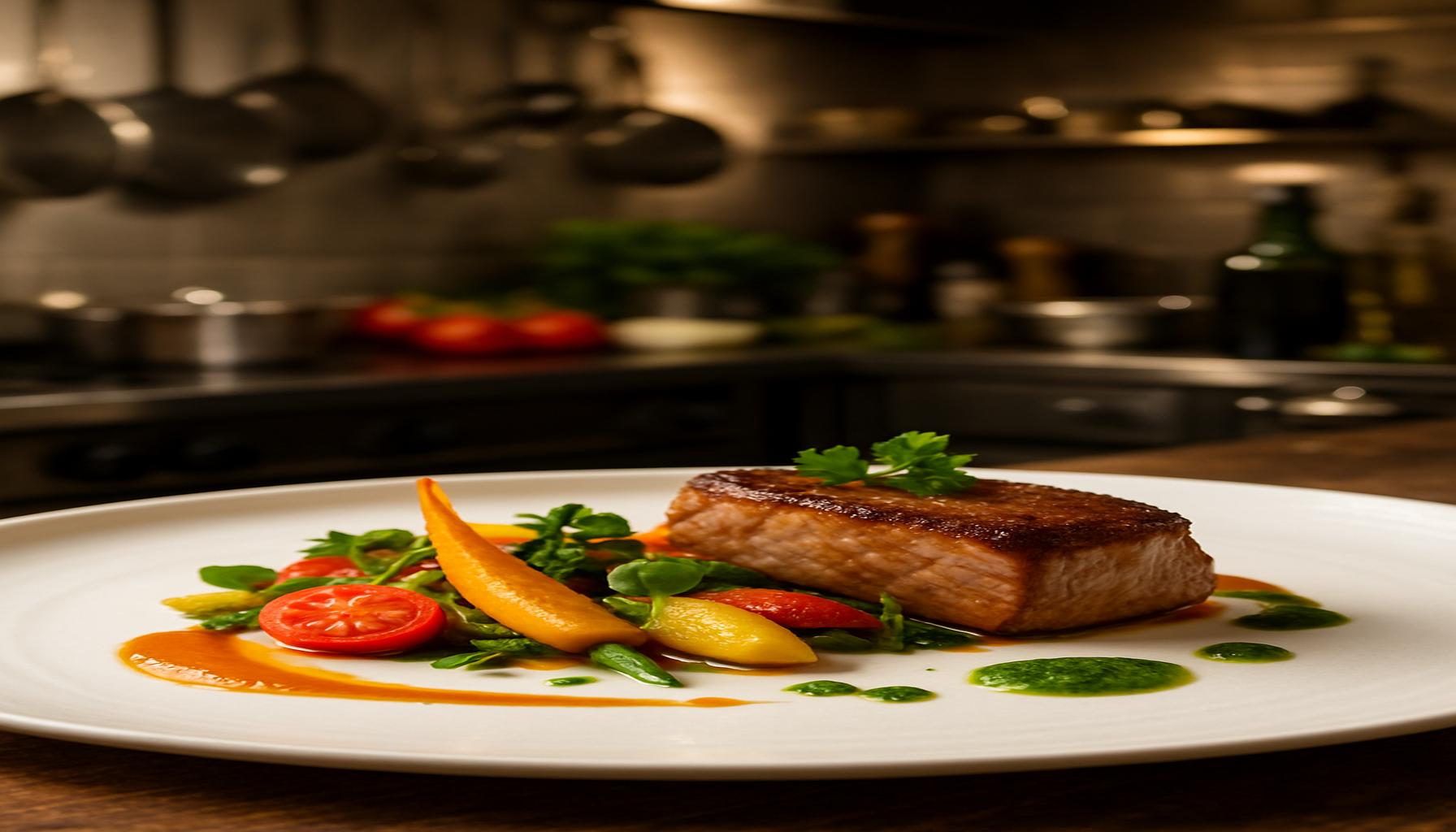
- Purees and Foams: Varying textures can be achieved through pureed vegetables or foams. A vibrant carrot puree beneath a piece of grilled salmon not only adds color but also creates a smooth mouthfeel that contrasts beautifully with the firmness of the fish.
- Textured Sauces: Instead of using a flat sauce, consider adding elements like diced tomatoes, herbs, or nuts to sauces, giving them depth and inviting guests to dive deeper into your creation. A ratatouille-style sauce made chunky and fresh rather than smooth illustrates this perfectly.
Playing with Height and Space
Creating height in your dish can make it visually arresting. Tall presentations invite curiosity and inspire diners to dig in. Here are some tips to achieve a stunning height:
- Stacking Ingredients: Stack items like grilled chicken or vegetables on top of one another rather than laying them flat on the plate. For instance, a tower of grilled eggplant, zucchini, and peppers can become a showstopper when drizzled with olive oil and garnished with a sprinkle of sea salt.
- Using Rings and Molds: Cooking rings can help create uniform layers and impressive heights. A multi-layered salad in a mold, featuring alternating layers of quinoa, avocado, and beets, captures attention as soon as it’s revealed.
- Negative Space: Embrace the beauty of empty space on your plate. Allowing parts of the plate to remain uncovered draws the eye toward the food, showcasing the artistry of your garnishing. Minimalist plates can be as powerful as those overflowing with components.
Interactive Garnishing Techniques
Engaging your guests in the dining experience can elevate your presentation. Here are some interactive garnishing techniques that can offer a memorable meal:
- DIY Garnishes: Create a “build-your-own” option, such as a taco or salad bar, where guests can customize their meals with a selection of garnishes. This personal touch not only enhances the experience but also sparks creativity among diners.
- Infused Oils and Drizzles: Present infused oils or flavored vinegars in small bottles at the table, allowing guests to add their personalized touch. A rosemary-infused olive oil can be a delightful addition to a simple bruschetta.
- Tasting Flights: Consider serving small tasting portions of several dishes, each garnished differently, to showcase a variety of textures and flavors. This introduces an exploratory element to dining that can be quite exciting.
As chefs and home cooks continue to explore the art of presentation, these innovative techniques help to redefine how garnishes can complement and enhance the dishes served. The journey of garnishing is ongoing and full of opportunities to create memorable experiences that not only satisfy the palate but also delight the senses visually.
DISCOVER MORE: Click here to enhance your vertical gardening skills
Conclusion: Elevating Culinary Experiences through Artful Garnishing
In the ever-evolving world of gastronomy, the importance of presentation cannot be overstated. Mastering the art of garnishing not only enhances the visual appeal of a meal but also enriches the overall dining experience, turning an ordinary dish into an extraordinary culinary work of art. By incorporating innovative techniques such as textured elements, height manipulation, and interactive garnishing options, home cooks and chefs alike can captivate their guests and spark excitement around the table.
Ultimately, presentation is about storytelling through food. Each garnish can evoke memories, create anticipation, and invite diners to travel through flavors and textures. As you continue your journey in the kitchen, remember that garnishing is an opportunity for self-expression and creativity. Experiment with color palettes, ingredients, and layouts to discover new dimensions in your culinary creations.
It’s essential to keep in mind that presentation is not merely an aesthetic endeavor; it is also about inspiring a deeper connection with the ingredients and the meal itself. By taking the time to thoughtfully present your dishes, you invite your audience to not only taste but to experience the essence of what you’ve created. So, next time you plate a dish, infuse it with your personality—because in the world of food, presentation can be as satisfying as the taste. Celebrate the art of garnishing and elevate each meal to a feast for the senses.