The Cultural Connection in Handicrafts: How Local Traditions Inspire New Generations of Artists
Unearthing the Threads of Tradition
In the United States, handicrafts serve not only as a form of artistic expression but also as a vital link to the nation’s rich cultural heritage. Each handcrafted item is a testament to the skills and stories passed down through generations, showcasing the profound influence of local traditions on contemporary artists. This connection creates a vibrant tapestry of creativity that continues to inspire and captivate audiences across the nation.
Key Aspects of Cultural Handicrafts
- Influence of Indigenous art: The artistry of Native American communities is particularly significant. Contemporary artists regularly draw inspiration from traditional designs and techniques, creating unique pieces that honor and revitalize these age-old practices. For example, the intricate beadwork of the Lakota or the weaving techniques of the Navajo are being reimagined into modern jewelry and home decor that tell stories of ancestry and identity.
- Regional styles: The US is home to a multitude of regional styles that reflect its diverse cultural landscape. In Appalachia, the age-old tradition of quilting has evolved into contemporary works that not only serve functional purposes but also make bold artistic statements. Meanwhile, Southwestern pottery often features natural materials and traditional methods, resulting in beautifully crafted pieces that are steeped in cultural significance.
- Community-based projects: Local workshops play a crucial role in preserving these traditions. By fostering collaboration and mentorship, organizations encourage skilled artisans to pass on their knowledge to younger generations. Initiatives like the New Mexico Craftsman’s Market or community centers in cities like Nashville facilitate hands-on experiences, allowing participants to learn from accomplished craftspersons while engaging deeply with cultural narratives.
As cultural narratives are communicated through various techniques and materials, new artists find innovative ways to integrate traditional practices into their work. For instance, some collaborate with local communities to create pieces that reflect current social issues, thus keeping the spirit of local customs alive while addressing contemporary themes. This blending of the old and new not only enhances artistic expression but also cultivates a deeper appreciation for the stories they convey.
The Role of Technology
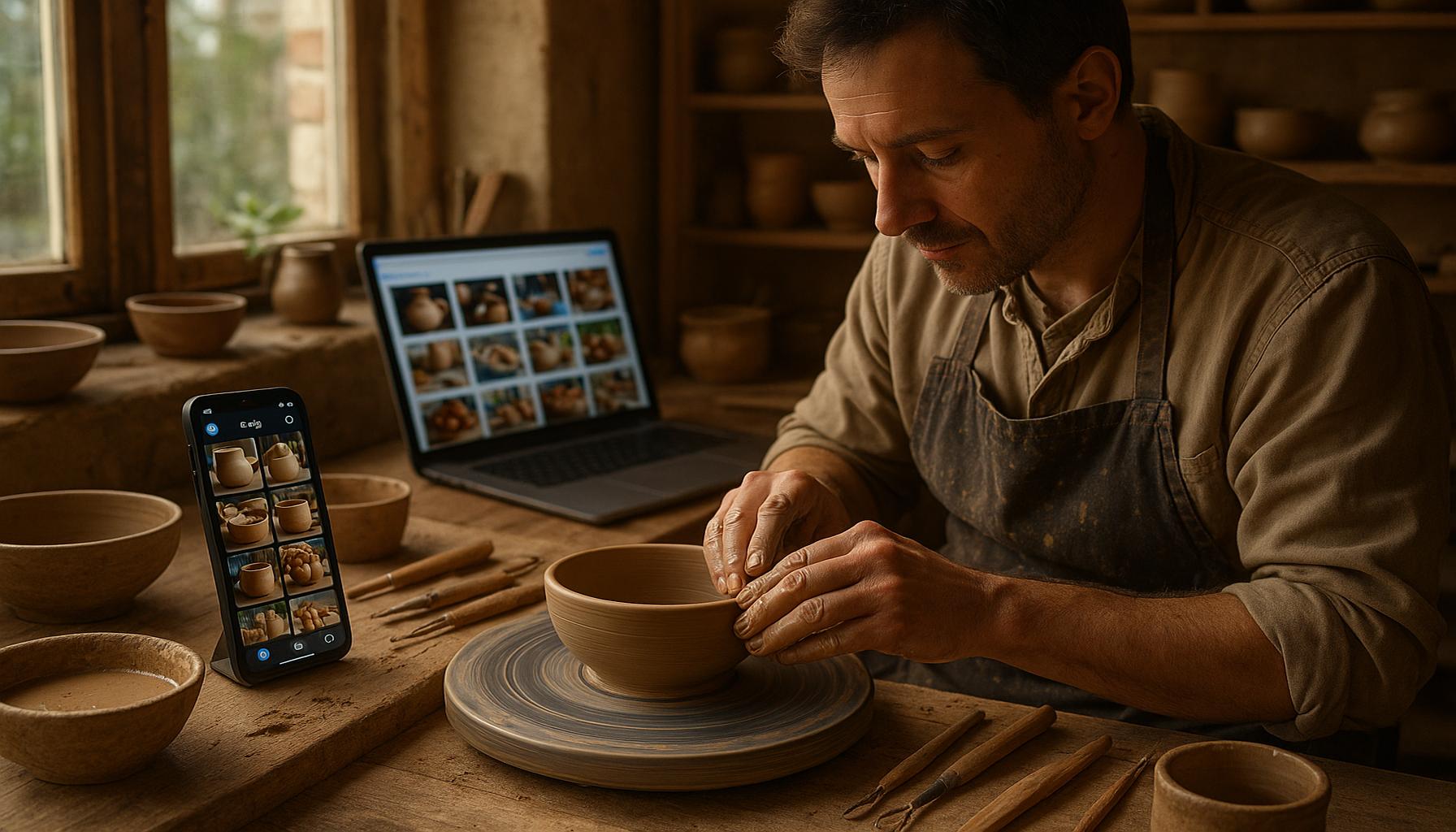
In today’s digital age, the intersection of technology and handicrafts is revolutionizing how art is created and shared. Artists are increasingly utilizing online platforms and social media to showcase their crafts, making it easier to reach a wider audience and bridge cultural gaps. Websites like Etsy or Instagram have provided artists with the tools to market their creations globally, fostering cross-cultural exchanges that enrich the handicraft community.
The result of this technological integration is a dynamic community where tradition meets modernity, creating exciting opportunities for both artists and audiences. This evolution invites consumers to not only purchase handicrafts but to also engage with the stories and traditions behind them, leading to a greater understanding and appreciation of the diverse cultural fabric that defines the United States.
DISCOVER MORE: Click here to dive into the evolution of music as an art form.

Reviving Ancestral Talents
Handicrafts are much more than decorative items; they represent a profound connection between the past and the present. This cultural connection enables new generations of artists to weave local traditions into their creative fabric. In many communities across the United States, the revival of traditional handicrafts is emerging as a powerful means of preserving culture and identity.
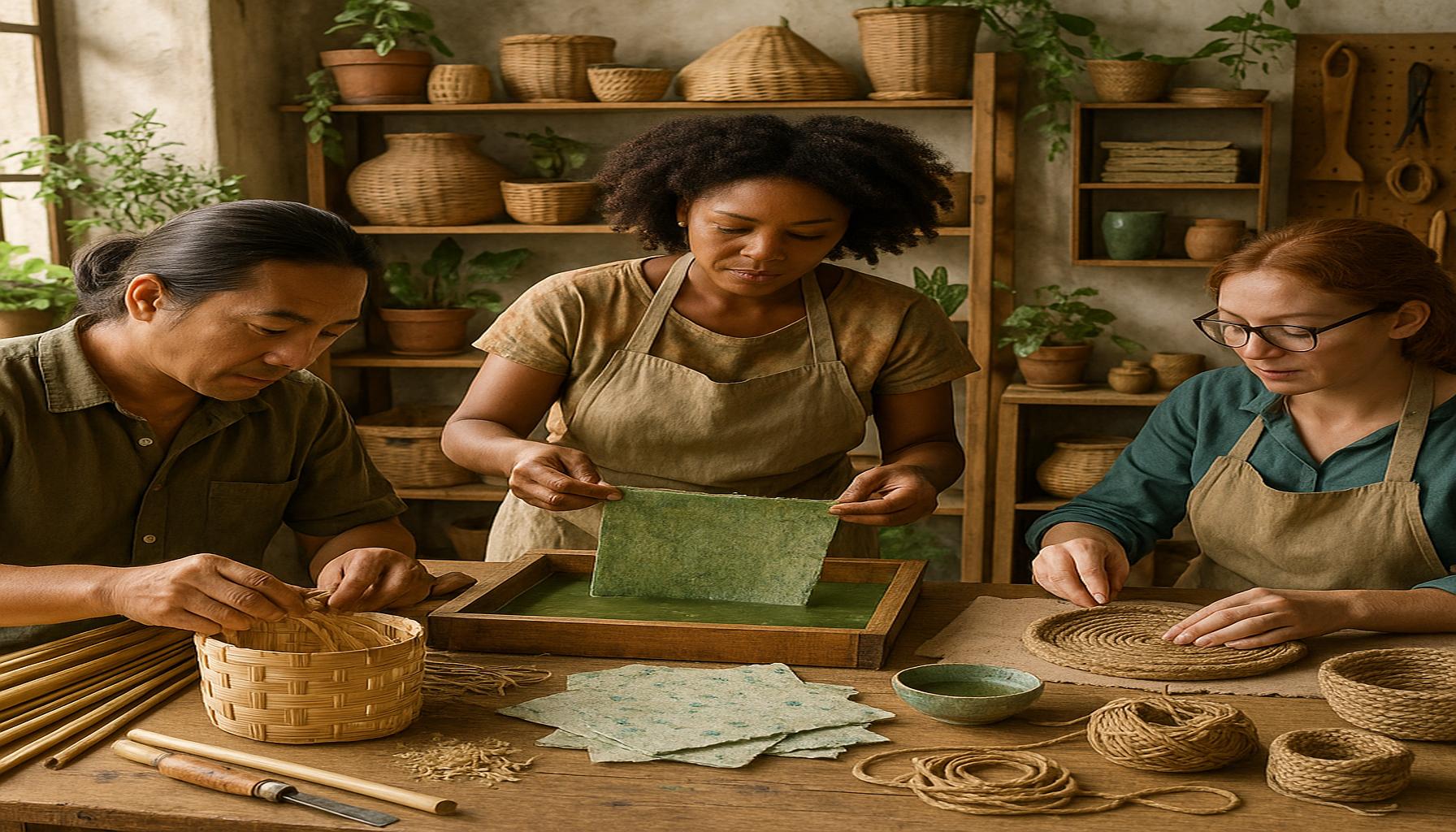
Take, for instance, the art of basket weaving, which has deep roots in various Native American cultures. Contemporary artisans are embracing traditional techniques to create stunning works of art that not only serve functional purposes but also tell stories of cultural legacy. This resurgence encourages an exploration of indigenous materials, shapes, and designs, which allows artists to maintain authenticity while innovating in their craft.
Bridging Generational Gaps
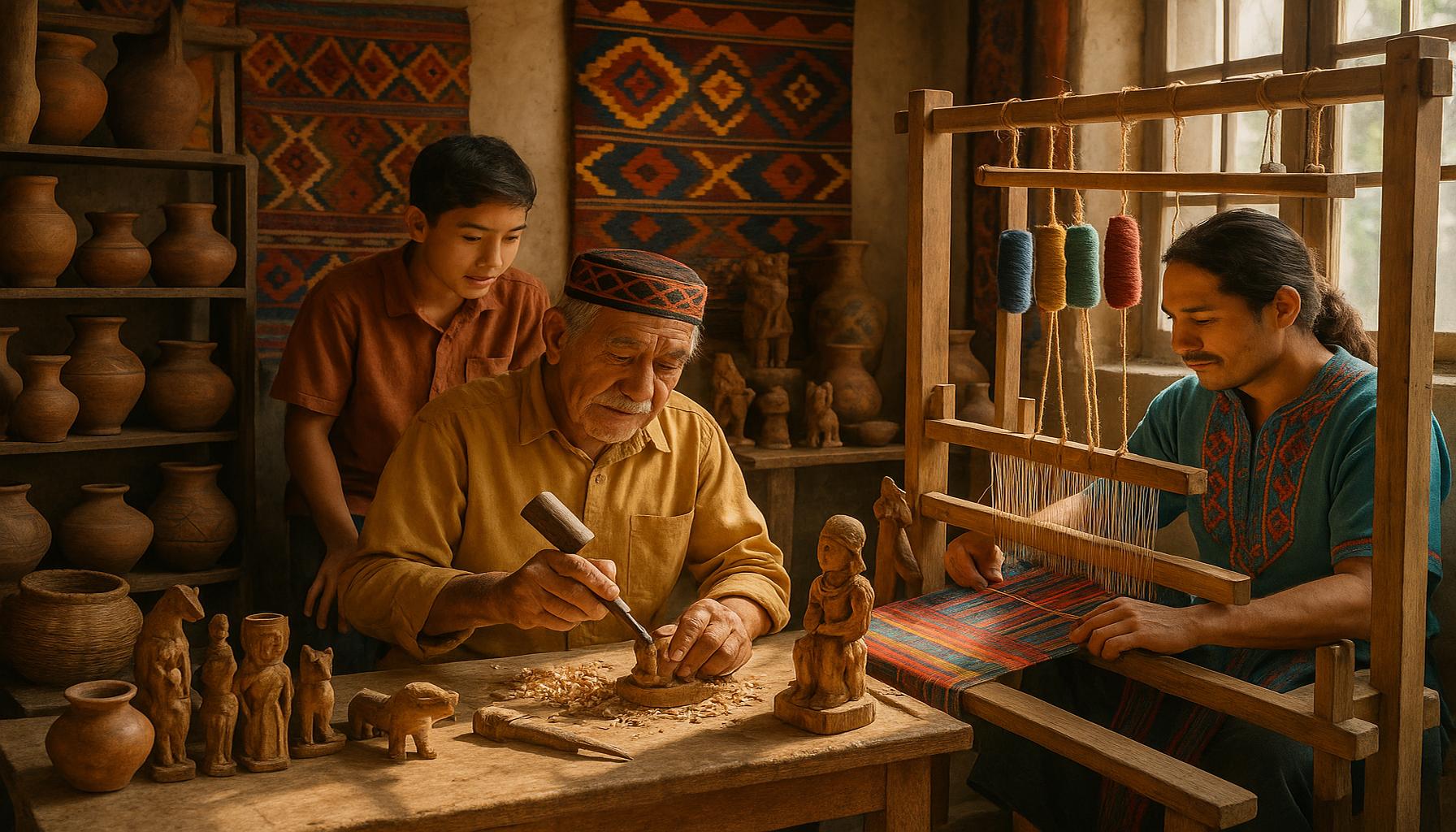
Local traditions act as a bridge between generations, making it vital for artisans to engage with older community members who hold valuable knowledge. The exchange of skills fosters an environment of collaboration and learning, where younger artists absorb wisdom through hands-on experiences. Some key aspects of this connection include:
- Storytelling through Craft: Each handmade object carries a narrative that speaks to the cultural heritage of its maker. Artists draw inspiration from myths, legends, and significant local events, embedding these stories into their work while keeping traditions alive.
- Material Sourcing: Many contemporary artists are committed to using locally sourced materials that are significant to their culture. This not only supports sustainable practices but also reaffirms the artist’s connection to their roots.
- Workshops and Community Programs: Numerous initiatives across the country offer workshops where artists teach traditional techniques to the youth. These programs cultivate a sense of pride and belonging, encouraging participants to embrace their cultural identity through creativity.
Furthermore, the impact of these cultural connections extends beyond the artists themselves. Audiences engage with these works on a deeper level, as they recognize the heritage and stories behind each piece. This profound appreciation encourages a wider audience to support local artisans, fostering a sustainable community interested in preserving cultural heritage.
Translating Tradition into Modern Art
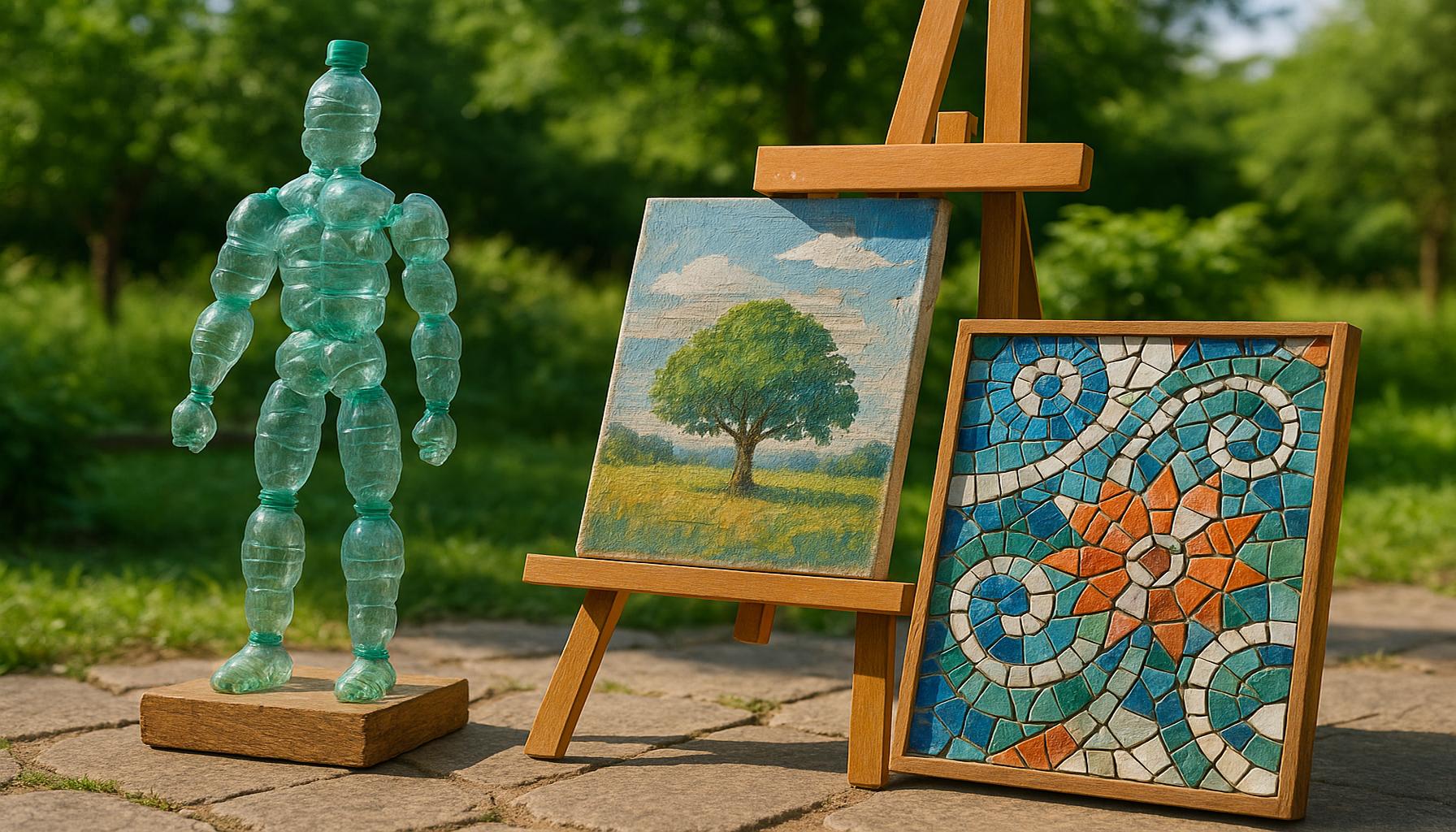
As new wave artists explore the relationship between tradition and modernity, many are finding ways to translate age-old practices into contemporary expressions. For instance, pottery techniques initially developed by Southwestern tribes are finding their place in current home décor and fashion industries. Artists are experimenting with traditional forms while incorporating innovative design elements that resonate with a modern audience.
This blending of tradition and innovation creates a dynamic cultural landscape that continually evolves. As artists draw from their rich backgrounds, they invite the world to experience the stories embedded within their crafts, invoking dialogue and understanding of diverse cultures across the United States.
| Advantage | Description |
|---|---|
| Cultural Preservation | Handicrafts ensure the survival of traditional techniques and stories, enriching cultural heritage. |
| Artistic Innovation | Local traditions inspire modern artists, leading to innovative designs that celebrate cultural narratives. |
The intertwining of local traditions and modern artistry is a powerful theme that fosters creativity among new generations of artists. Young creators draw upon the rich tapestry of their heritage, transforming age-old techniques into contemporary masterpieces. This cultural connection not only breathes new life into ancient crafts but also encourages a dialogue between past and present.Moreover, the infusion of local motifs and meanings into artworks allows artists to convey deeper stories and messages, resonating with audiences on a personal level. By participating in this vibrant tradition, artists cultivate a sense of identity and belonging, bridging gaps across generations. The resurgence of interest in handcrafted goods also paves the way for sustainable practices, where the significance of eco-friendliness is highlighted in the production process—inviting more mindful consumption. The embracing of these values could deeply impact communities, ultimately promoting an appreciation for both culture and artistry.
DIVE DEEPER: Click here to discover the mental health benefits of gardening
Art as a Form of Activism
The role of handicrafts extends beyond aesthetic enjoyment; it also embodies a medium for social change. Modern artisans are increasingly using their craft to address pressing societal issues and raise awareness about their cultural heritage and collective struggles. This engagement not only underscores their commitment to tradition but also positions their work as a catalyst for change within their community.
For example, in the realm of textile arts, contemporary weavers and fibersmiths are focusing on themes such as sustainability, social justice, and environmental concerns. Artists are adopting traditional methods that have been passed down through generations, while also weaving in contemporary narratives that address issues such as climate change and equality. By blending these themes into their work, they create pieces that resonate on multiple levels, encouraging viewers to engage with the complex stories behind each item.
Collaboration Across Cultures
The beauty of handicrafts lies in their ability to transcend cultural boundaries. Many artists are collaborating with artisans from different cultural backgrounds, creating a dynamic fusion that honors the essence of both traditions. This cross-pollination of ideas not only enriches artistic expression but emphasizes the universal nature of many cultural narratives.
- Joint Exhibitions: Collaborative exhibitions that showcase the work of multiple artisans from diverse backgrounds can amplify messages about inclusivity and diversity. These events engage audiences and serve to educate them about the rich tapestry of global traditions.
- Art Residencies: Programs that encourage artists from various backgrounds to work together often result in innovative approaches to traditional crafts. Such residencies allow for the exchange of techniques and ideas, fostering creativity while preserving each culture’s unique characteristics.
- Community Dialogues: Some art initiatives focus on facilitating conversations that explore cultural identities. By providing spaces for shared experiences, these dialogues can inspire new works that address contemporary issues while preserving the narrative of local traditions.
This spirit of collaboration promotes cultural pride and encourages public appreciation for the skills passed down through generations. Artists become stewards of their heritage, making a conscious effort to express the values and teachings ingrained within their crafts. In this way, the crafting process evolves into a holistic journey of exploration and self-discovery.
The Digital Era’s Impact on Handicrafts
In the digital age, the accessibility of global platforms has significantly altered the landscape of handicrafts. Social media and e-commerce have enabled artisans to reach a diverse audience, helping them market their works and share their stories far beyond their local communities. This expanded reach not only broadens the potential for financial sustainability but also deepens cultural appreciation.
Online platforms such as Etsy and social media sites like Instagram allow artists to showcase their creations, garner support from followers, and connect with likeminded individuals passionately interested in preserving their cultural heritage. Videos and tutorials showing the crafting process further demystify traditional techniques, inviting a new generation of artists to participate actively in this rich cultural narrative.
However, the digital sphere also brings challenges as artists must navigate the fine line between authentic representation and commercialization. As trends evolve rapidly, the risk of diluting cultural meanings for broader appeal becomes palpable. Artists are thus constantly encouraged to remain aware of their narratives, ensuring that their connection to local traditions is both respected and celebrated.
While the digital realm opens doors to wider recognition, it also necessitates a concerted effort to maintain the integrity of cultural narratives at the heart of handicrafts. As new artists emerge, their responsibilities encompass not only the creation of beautiful objects but also the stewardship of their cultural legacies. Through this dedication, they inspire a continuous cycle of cultural connection, ensuring that local traditions thrive in the face of modernity.
DIVE DEEPER: Click here to explore different musical genres
Embracing Heritage and Fostering Innovation
The exploration of handicrafts reveals a profound narrative of cultural connection and transformation that enriches both artisans and communities. As traditional methods and stories weave their way into contemporary practices, artists stand at an intersection of honoring their heritage while embracing innovative expressions. This vibrant dialogue between generations not only cultivates a sense of identity but also fosters a spirit of unity across diverse cultures.
In an era where the digital landscape offers unprecedented access to global audiences, artisans can share their unique narratives far beyond their local spheres. The ability to showcase craftsmanship on platforms like Etsy or engaging audiences through social media further strengthens the ties binding modern artists to their roots. However, this newfound visibility carries with it the responsibility to maintain cultural integrity, ensuring that the essence of local traditions remains intact even as they evolve.
The collaboration between artists from varied backgrounds highlights the universality of creativity, allowing for the flow of ideas that champions inclusivity and diversity. As new generations of artisans emerge, they not only draw from their inherited wisdom but also contribute to a richer tapestry of cultural expression. In embracing their past and addressing contemporary issues, these artists become essential storytellers, ensuring the narratives of their cultures continue to inspire and resonate.
Ultimately, the ongoing journey of handicrafts stands as a testament to the resilience of cultural heritage. It challenges us to reflect on the stories that shape our identities and inspires us to engage in a dialogue that honors the artisans crafting the future—a future where local traditions will forever remain a source of strength and creativity.