The importance of gardening in mental health: cultivating a space of peace
The Therapeutic Benefits of Engaging with Nature
In our fast-paced world, stress and anxiety have become common companions for many people. The relentless demands of work, social responsibilities, and digital distractions can overwhelm even the most resilient individuals. As we seek solace, one often overlooked source of tranquility lies in the art of gardening. Nurturing plants can create a therapeutic environment that fosters mental well-being and personal fulfillment.
Research continues to highlight the mental health benefits of spending time in green spaces. Consider these compelling points:
- Reduces Stress: Simply being in the presence of plants can lower cortisol levels, the hormone associated with stress. A study conducted by the University of Queensland in Australia found that participants who engaged in gardening reported a significant drop in stress levels, regardless of the size or complexity of their garden.
- Boosts Mood: Gardening activities often release endorphins, the body’s natural mood elevators. Whether it’s the joy of planting a new flower or harvesting home-grown vegetables, these activities can boost mental health, contributing to feelings of happiness and satisfaction.
- Enhances Focus: Engaging with nature has been shown to improve attention span and concentration. Researchers have found that just a 30-minute stint of gardening can lead to better focus and cognitive function, highlighting its potential as a natural remedy for ADHD symptoms in both children and adults.
Moreover, gardening encourages mindfulness, allowing individuals to disconnect from the chaos of daily life. The rhythmic activities of digging, planting, and watering not only draw you into the present moment, but also provide a sense of accomplishment and purpose as you witness the fruits of your labor—quite literally!
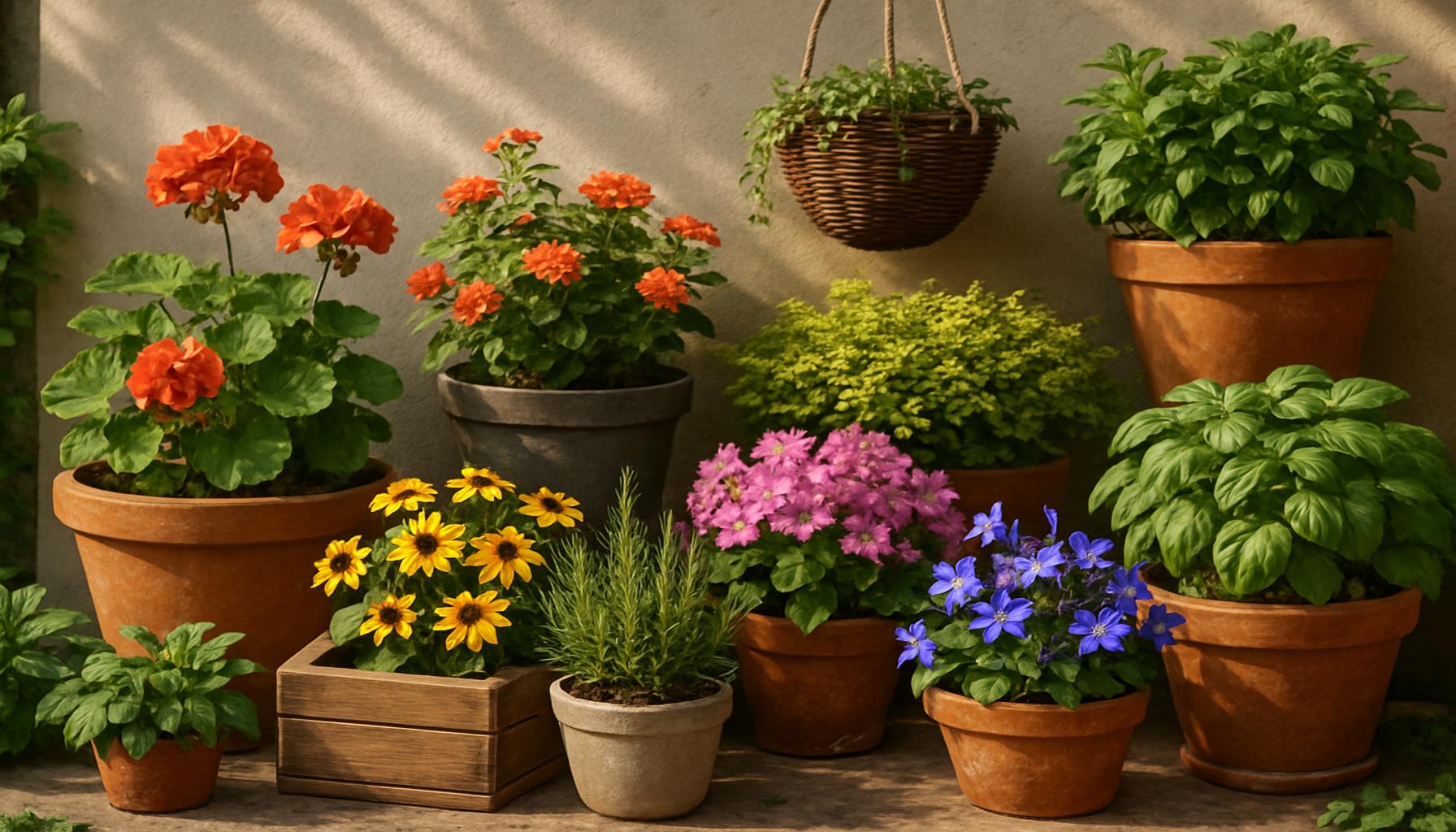
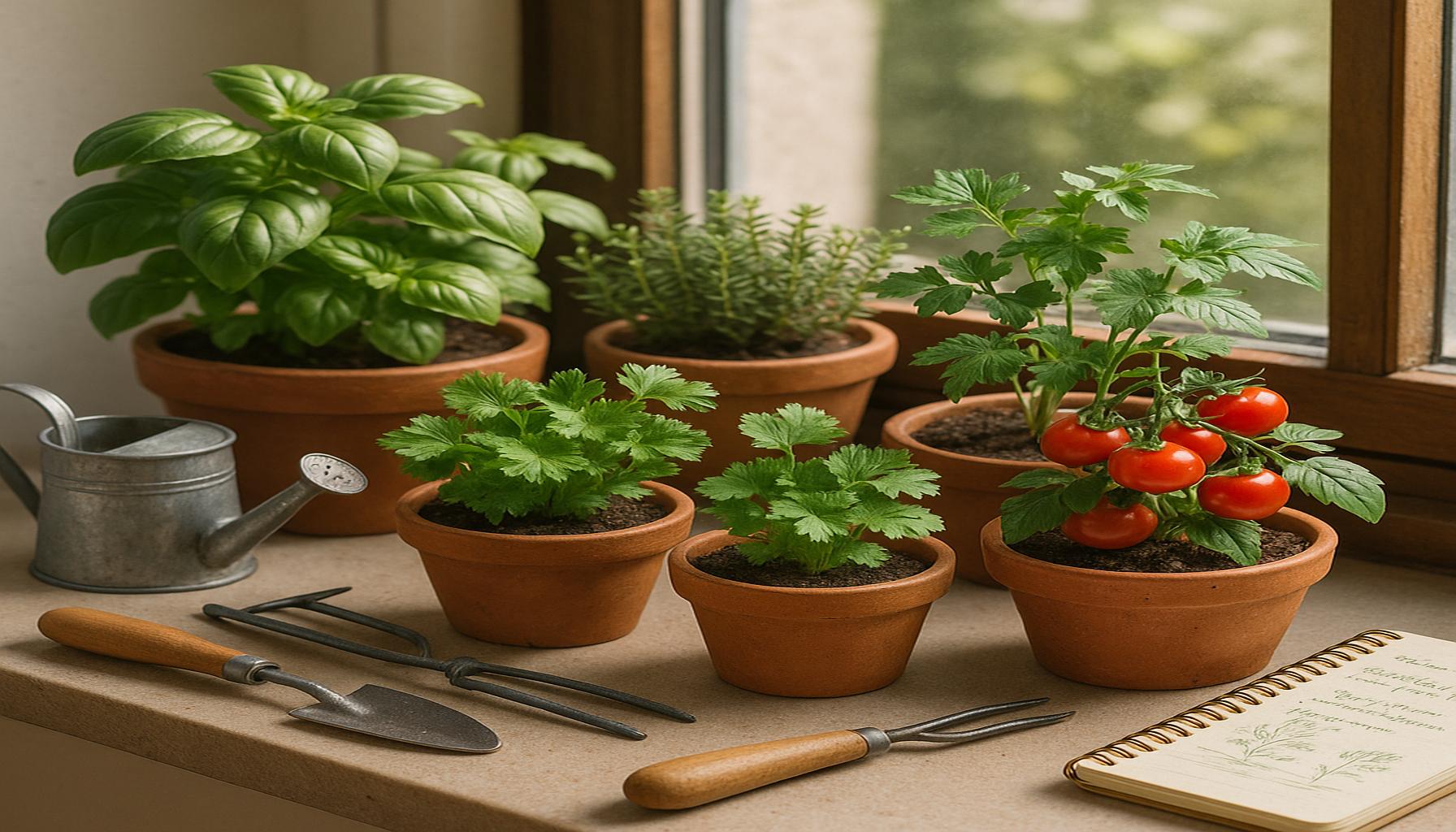
Whether you have a spacious backyard, a small balcony, or even just a windowsill, cultivating a personal garden can be an essential step toward creating a peaceful sanctuary amid urban noise and pressure. Container gardening, for instance, is a popular trend that allows apartment dwellers to cultivate herbs and flowers with minimal space.
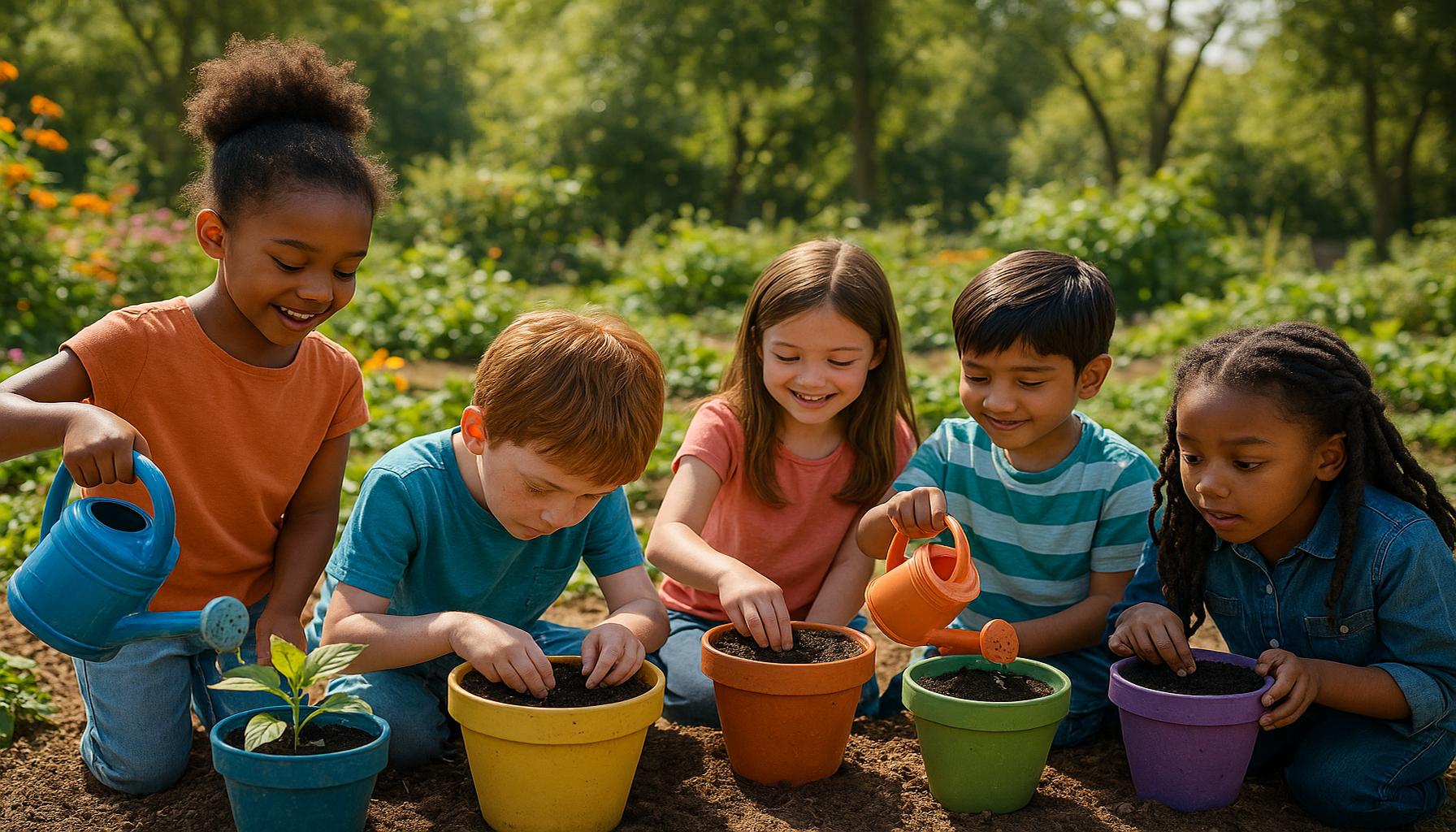
Moreover, local community gardens across the United States serve as excellent platforms for people to connect with their neighbors and immerse themselves in the therapeutic benefits of gardening. These spaces foster a sense of community while helping to alleviate feelings of isolation, a prevalent issue in today’s society.
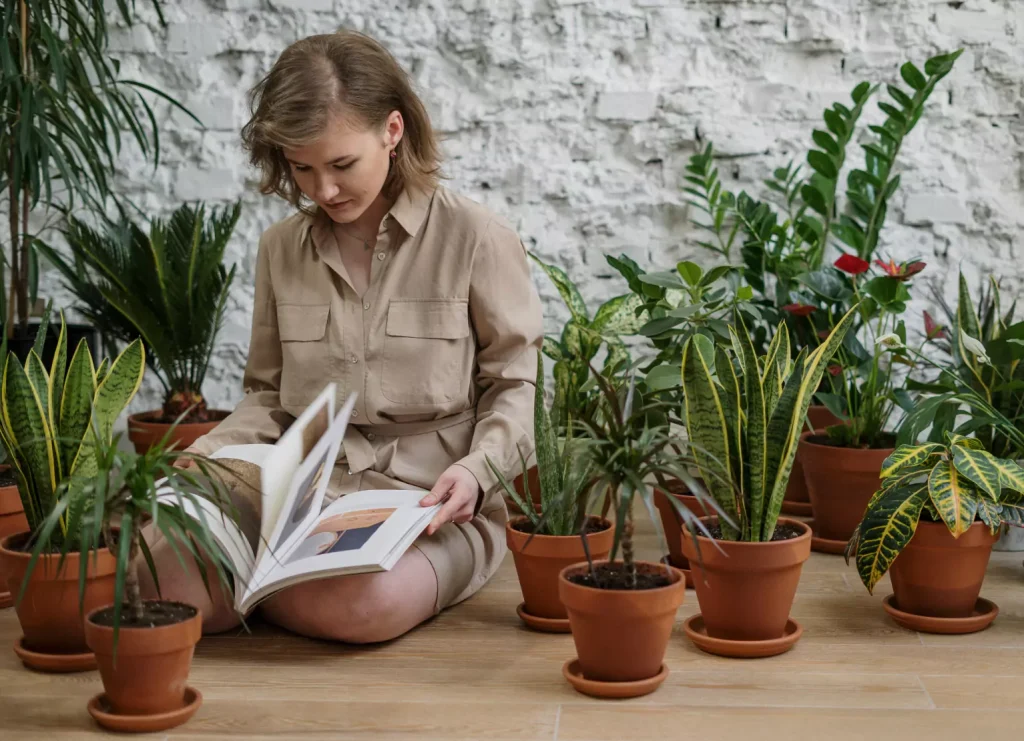
At its core, gardening is more than just a hobby; it’s a pathway to emotional resilience and personal growth. The practice of tending to plants instills patience and nurtures a deeper appreciation for life’s simple pleasures, promoting a lasting sense of calm and well-being. Next time you feel overwhelmed, consider stepping outside, getting your hands dirty, and embracing the healing power of gardening.
DIVE DEEPER: Click here to uncover the connections
The Healing Touch of Soil: Connecting with Nature Through Gardening
Gardening is not only an enjoyable pastime but also a powerful form of therapy that can address various mental health challenges. Engaging with the earth and nurturing plants taps into a primordial connection that many of us may have lost in the hustle and bustle of modern life. The act of cultivating life from the soil offers numerous benefits that extend beyond mere enjoyment.
One of gardening’s most notable contributions to mental health is its ability to foster a deep sense of connection to nature. Many individuals report feeling rejuvenated after spending time outdoors. By immersing ourselves in this natural environment, we can tap into a range of psychological benefits, which include:
- Increasing Mindfulness: Gardening demands attention and presence. The act requires us to focus on the task at hand, bringing our awareness to the rhythms of nature as we observe plant growth and seasonal shifts. This mindfulness can lead to reduced anxiety and enhance overall well-being.
- Encouraging Physical Activity: Engaging in physical work, whether it’s planting, weeding, or harvesting, promotes the release of serotonin, often referred to as the “happy hormone.” Regular physical activity through gardening contributes to improved mood and lower levels of depression.
- Providing a Sense of Purpose: Nurturing a garden cultivates a sense of accomplishment and purpose. The process of planting seeds and tending to their care can give individuals a goal to strive toward. This can be especially uplifting for those struggling with feelings of aimlessness or low self-worth.
- Enhancing Social Connections: Joining community gardening projects can help break down social barriers. These initiatives allow individuals to bond with others who share similar interests, combating loneliness and fostering camaraderie—all in a serene environment.
Interestingly, studies have found that participating in gardening activities can provide long-term benefits for mental health. A report published in the Journal of Health Psychology found that individuals who engage in gardening regularly show consistently enhanced levels of emotional well-being, even when faced with life challenges. Furthermore, the “biophilia hypothesis” suggests that humans possess an innate tendency to seek connections with nature, reflecting our need for psychological nourishment.
As urbanization continues to rise, the accessibility of green spaces dwindles, making home gardening more critical than ever. The practice can transform neglected yards into vibrant refuges, allowing people to cultivate not just plants but also hope and tranquility. Additionally, countless resources are available online, from gardening tutorials to specific plant care guides, enabling even novice gardeners to embark on their green journey successfully.
Ultimately, gardening serves as a restorative practice that allows individuals to reclaim their mental health, offering a sanctuary from life’s chaos. This simple yet powerful activity invites us to pause, breathe, and connect with both ourselves and nature, cultivating not just a garden but a profound sense of inner peace.
The Importance of Gardening in Mental Health: Cultivating a Space of Peace
Gardening has long been respected not just for its aesthetic appeal, but also for its profound impacts on mental well-being. Engaging with nature through gardening provides individuals with a unique opportunity to step back from daily stressors and immerse themselves in a tranquil and restorative environment. The act of planting, nurturing, and watching a garden grow can lead to significant improvements in mood and emotional resilience.Research indicates that spending time in green spaces can reduce feelings of anxiety and depression. Exposure to natural settings stimulates the release of serotonin and other mood-enhancing chemicals in the brain, promoting an overall sense of well-being. Moreover, gardening fosters mindfulness. As individuals focus on the tasks at hand—whether it’s pulling weeds, pruning plants, or watering beds—they become more present, reducing ruminative thoughts that often accompany mental health struggles.In addition, gardening cultivates a sense of community and belonging. Community gardens serve as vital spaces where people from diverse backgrounds can come together, share experiences, and support each other. This social interaction can combat feelings of isolation, fostering a network of emotional support that is essential for mental well-being.For many, the rewards of gardening extend beyond personal enjoyment. Harvesting fresh vegetables or vibrant flowers brings a sense of accomplishment and purpose, adding to one’s self-esteem. Furthermore, the sensory experiences— from the texture of soil to the aroma of fresh herbs—provide a multi-faceted engagement with the environment, enriching one’s emotional landscape.To delve deeper into the myriad advantages of gardening for mental health, consider exploring structured activities that emphasize relaxation and mindfulness, alongside enjoying the therapeutic aspects of nature. As this journey unfolds, we invite you to discover essential insights about creating your own peaceful garden sanctuary.
| Category | Benefits |
|---|---|
| Mental Clarity | Gardening promotes mindfulness which reduces stress and enhances focus. |
| Emotional Resilience | Interaction with nature boosts mood and combat feelings of anxiety. |
| Sense of Community | Community gardens foster socialization, reducing feelings of isolation. |
| Sense of Achievement | Nurturing plants and harvesting produce bolsters self-esteem. |
DISCOVER MORE: Click here to dive deeper
Nurturing Growth: The Therapeutic Benefits of Community and Creativity in Gardening
Another fascinating aspect of gardening’s impact on mental health revolves around the sense of community it fosters. Community gardens have proliferated in urban areas across the United States, serving as vital spaces where individuals can come together to collaborate, share resources, and grow not only plants but also friendships. These communal endeavors promote inclusivity and the exchange of knowledge, ultimately building social networks that contribute significantly to emotional well-being.
Research has highlighted the social cohesion that arises from gardening initiatives. A study from the American Community Gardening Association reveals that participants in community gardens often report increased feelings of belonging and social support. This shared experience not only enhances interpersonal connections but can also serve as a buffer against feelings of isolation, particularly for vulnerable populations, such as the elderly or those facing mental health challenges.
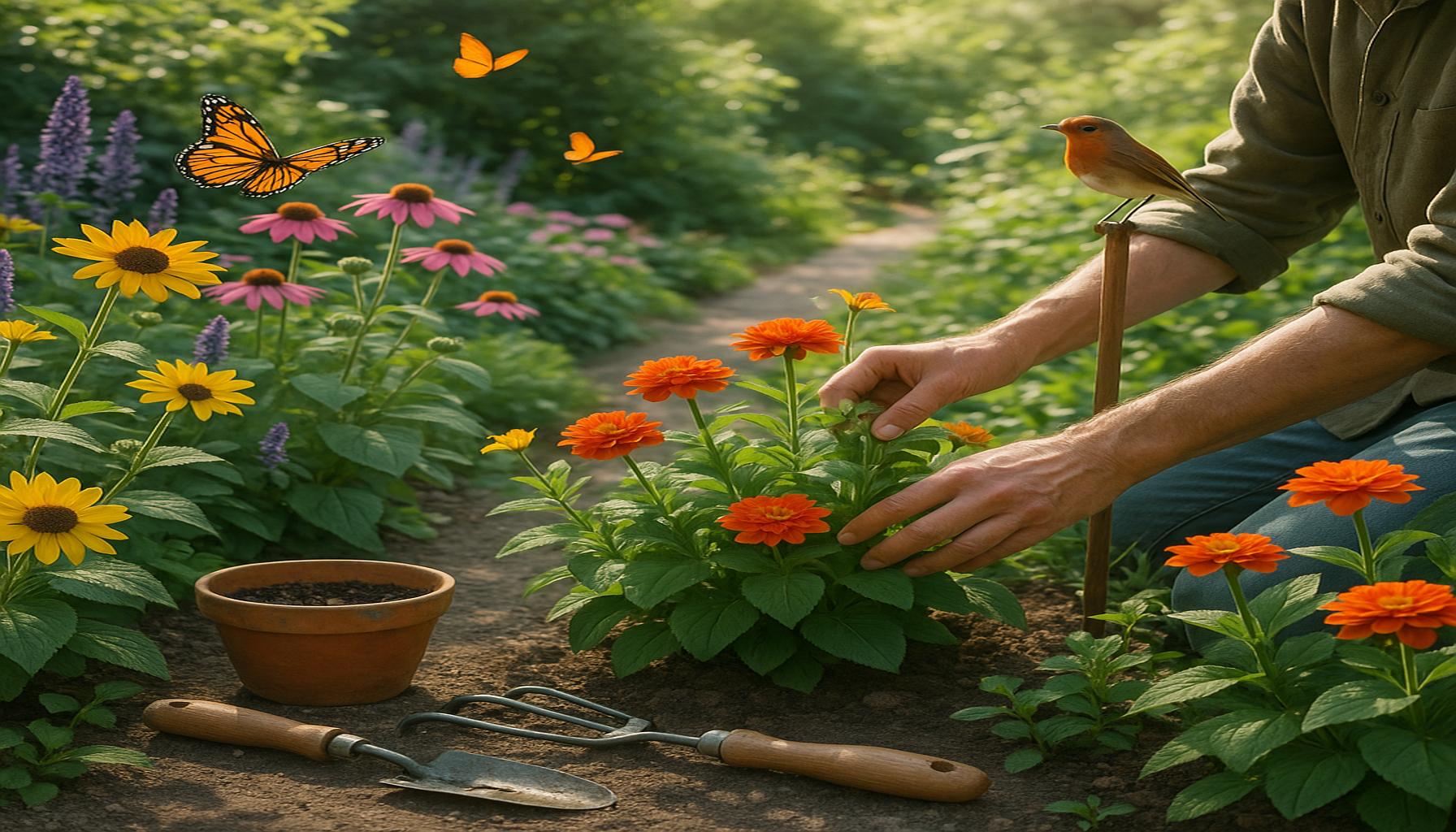
Furthermore, the act of creatively engaging with nature can serve as an emotional outlet, helping individuals explore and express their feelings in a productive manner. Whether it’s through designing a unique landscape, experimenting with various gardening techniques, or cultivating a butterfly garden, the possibilities for creativity are endless. Such engagements can provide not only a therapeutic distraction from daily stress but also a sense of achievement when creative ideas come to fruition.
Turning to the therapeutic practices that can be integrated with gardening, the concept of horticultural therapy has gained traction in recent years. This practice utilizes gardening activities, led by trained therapists, to help individuals improve various aspects of their mental health, including self-esteem, motor skills, and social interactions. Facilities like rehabilitation centers, schools, and nursing homes have increasingly adopted these programs, recognizing the transformative power of gardening.
A notable instance of this is seen in the work of organizations such as Garden Pathways, a nonprofit in California focused on using gardening to improve the psychological health of at-risk youth. By engaging young people in hands-on garden projects, they are not only taught essential gardening skills but also valuable life lessons regarding teamwork, responsibility, and resilience.
From a psychological perspective, gardening allows for a creative expression of emotions, providing an alternative language for those who may find it challenging to articulate their feelings. For example, children with Autism Spectrum Disorder often engage better in social settings when they are involved in gardening activities, as the non-verbal cues exchanged while working with plants help facilitate communication and socialization in a more relaxed environment.
Moreover, engaging with plants has been found to ripple into our emotional landscapes. Studies have indicated that being surrounded by greenery can significantly decrease levels of cortisol, known as the stress hormone. For those grappling with chronic stress or anxiety, this natural remedy, readily available in one’s backyard, can create a positive impact—reinforcing the idea that even small-scale, personal gardening endeavors can yield substantial mental health benefits.
As we delve deeper into the vital link between gardening and mental health, it becomes increasingly clear that cultivating both plants and personal well-being can transform lives. The multifaceted nature of these benefits—ranging from community building to creative expression—provides compelling reasons to embrace gardening as a profound tool for fostering psychological health and cultivating spaces of peace.
DISCOVER MORE: Click here to dive deeper
Harvesting Mental Wellness: The Lasting Impact of Gardening
In conclusion, the importance of gardening as a catalyst for mental health cannot be overstated. Through the act of nurturing plants, individuals engage in a profound process of self-care and emotional release, cultivating not only a physical space but also a sanctuary for their minds. The therapeutic benefits offered by gardening—including stress reduction, enhanced creativity, and social cohesion—underscore the necessity of integrating green spaces into our daily lives.
As highlighted throughout this article, gardening initiatives promote community bonds and can significantly improve feelings of belonging, especially among vulnerable populations. Furthermore, the practice of horticultural therapy has unveiled remarkable outcomes, facilitating growth in self-esteem and social interactions among participants, proving once again that the connection between people and nature is deeply healing.
This compelling relationship motivates us to embrace gardening not merely as a hobby but as a vital practice for mental wellness. Exploring local community gardens, incorporating simple planting activities into family routines, or pursuing therapeutic gardening programs can open new avenues for emotional health and stability. As we step outside to dig our hands into the soil, we sow the seeds of peace and resilience within ourselves and our communities.
Ultimately, by tapping into the healing powers of nature, we have the opportunity to revolutionize our mental health landscape. With each seed planted, we cultivate hope and nurture well-being—making gardening an indispensable tool in our quest for emotional harmony.