The Importance of Musical Improvisation in Creative Freedom
A Gateway to Unseen Possibilities
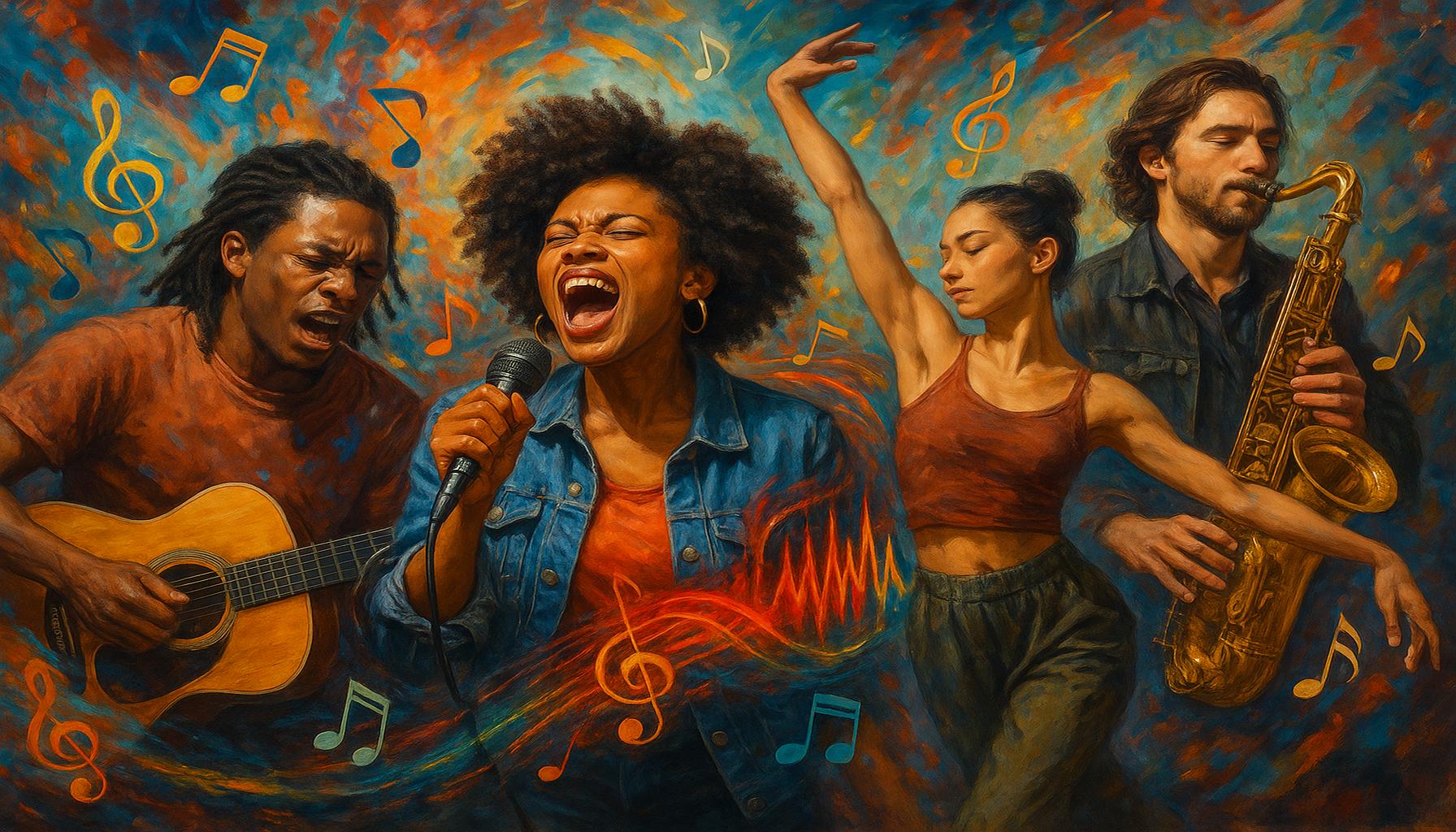
Musical improvisation serves as an unparalleled method for discovering creative freedom, enabling artists and musicians to traverse the vast landscape of their imagination. This exhilarating form of artistic expression goes beyond conventional norms, unlocking innovative thought processes that can invigorate entire creative endeavors. Whether you’re strumming a guitar on a sunlit porch or crafting a storyline in a dimly lit café, improvisation invites spontaneity and experimentation in ways that often lead to unexpected revelations and concepts.
The Benefits of Musical Improvisation
Incorporating improvisation into your creative process can result in a multitude of benefits:
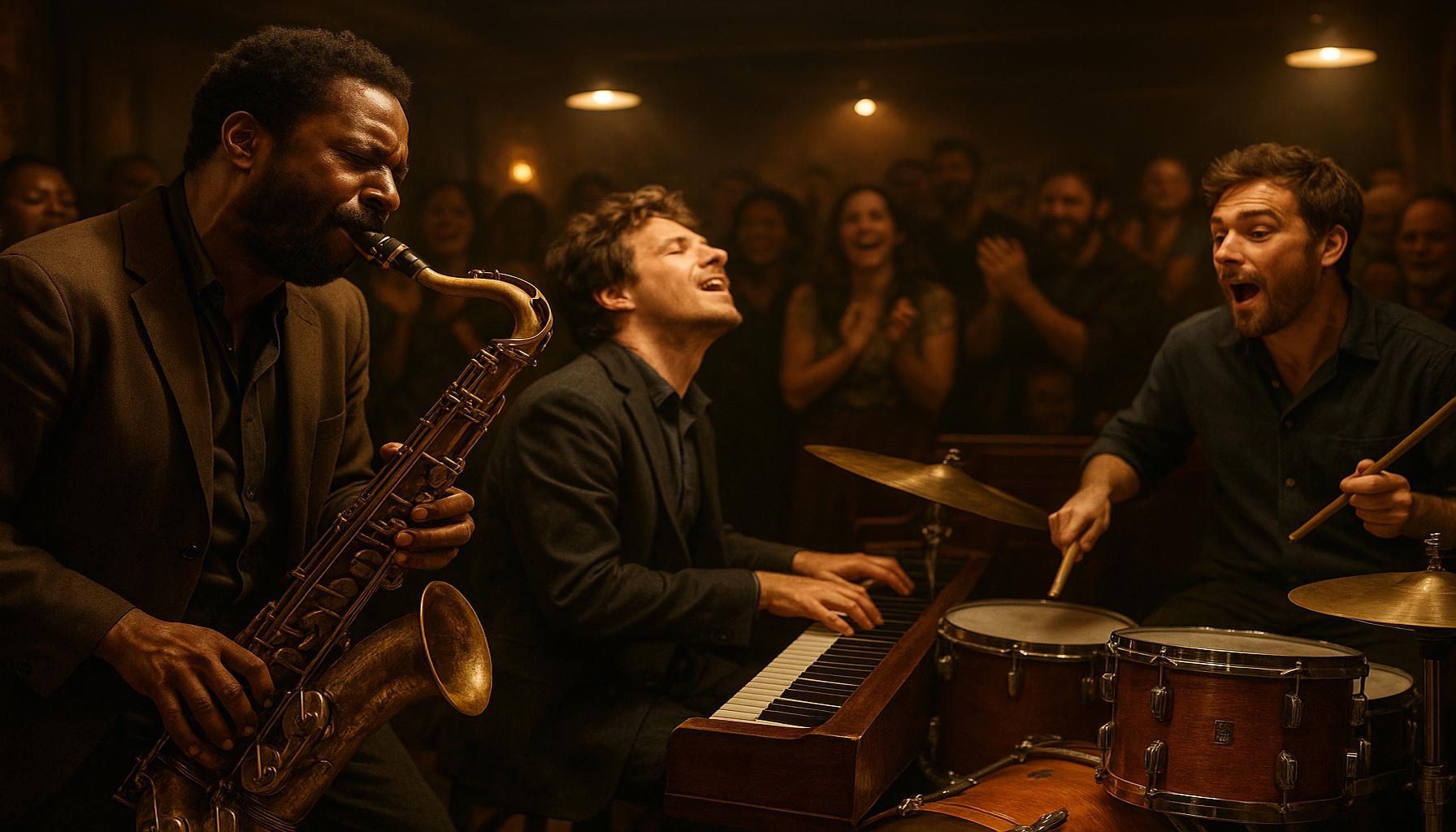
- Spontaneity: The unpredictable nature of improvisation can spark groundbreaking ideas. For instance, a jazz musician might hit an unexpected chord during a solo, leading to an entirely new melody. This principle teaches artists to welcome surprises, which can be crucial for generating fresh material.
- Flexibility: Musicians possess the unique ability to adjust to shifting tempos or themes in real-time, fostering adaptability that can translate across artistic mediums. A painter might utilize improvisational techniques to explore new color combinations without the fear of making mistakes, resulting in innovative compositions.
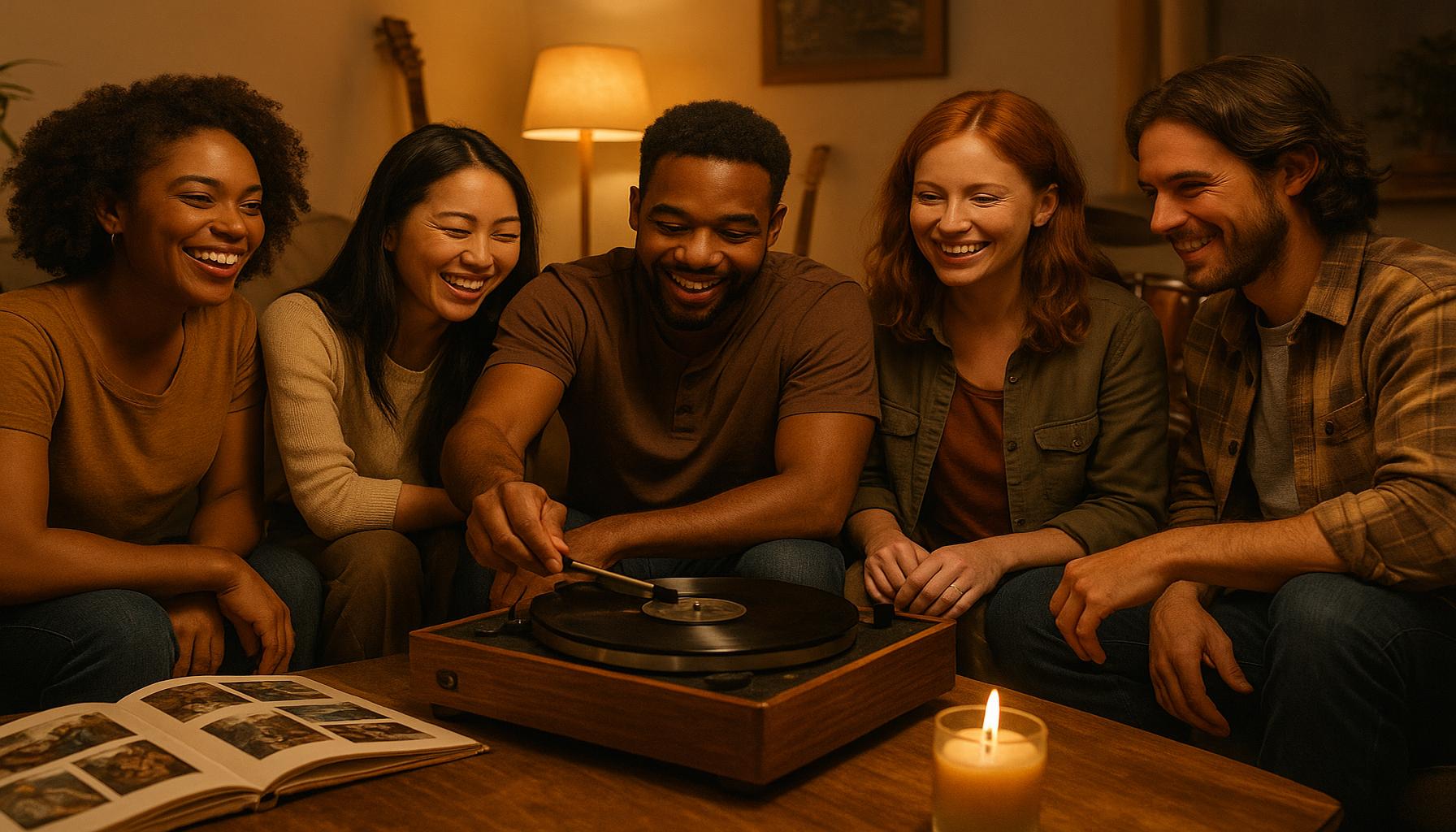
- Collaboration: Improvisation thrives in collaborative environments, nurturing interaction between artists. A group of musicians jamming together can create a richer tapestry of sound, while writers in a workshop setting can bounce ideas off one another, leading to dynamic storytelling that reflects diverse perspectives.
Extending Beyond Music
It’s important to note that the essence of improvisation is not confined to music. Artists in various fields—including writers, visual artists, and performers—can harness its power to unlock greater creative potential. For example, many acclaimed authors have reported that letting their characters lead the narrative can result in plots they had never envisioned. Similarly, dancers often improvise their movements in practice, which can lead to a profound understanding of their bodies and performance styles.
As we navigate an increasingly complex world, the value of improvisational methods remains significant. They challenge established norms and encourage artists to redefine what creativity means to them. The unplanned moments often yield the most intriguing results, leading to artistic breakthroughs that can shape industries and inspire generations.
Looking Ahead
This exploration of musical improvisation and its remarkable influence on creative freedom provides a robust foundation for artists seeking to enrich their practice. The curated insights and examples from renowned artists can serve as a catalyst for your artistic journey. Embrace the unexpected, and you may find that the most compelling creativity comes from allowing yourself the freedom to experiment without the constraints of premeditated plans. So, take that leap into the unknown and see where improvisation may lead you.
DON’T MISS: Click here to discover how music drives social change
Unlocking Inner Creativity
Musical improvisation acts as a crucial key that opens the door to creative freedom, allowing artists to explore uncharted territories of their imagination. At its core, improvisation breaks down barriers, encouraging musicians to venture outside their comfort zones and embrace the spontaneity of the moment. This process is not merely an exercise in skill but rather an opportunity for exploration and self-expression that resonates deeply within various artistic domains.
Facilitating Freedom in Artistic Expression
At its best, musical improvisation fosters an environment where creativity can flourish without the constraints of predefined structures. Here are some significant ways in which improvisation enhances artistic freedom:
- Enhanced Skill Development: Through improvisation, musicians and artists can hone their technical abilities in an organic manner. For instance, a keyboardist experimenting with jazz improvisation may discover new finger placements or rhythmic patterns that expand their repertoire and improve overall musicianship.
- Creative Problem Solving: When obstacles arise, improvisation encourages artists to devise novel solutions through experimentation. Visual artists, for example, often find that the act of splashing paint randomly can lead to innovative textures and colors that they would have never considered during a structured approach.
- Boosting Confidence: Engaging in improvisation nurtures a sense of assurance and boldness in one’s creative choices. Musicians who perform spontaneous solos often discover that their comfort in taking risks translates into increased confidence, which in turn encourages them to experiment in other forms of creative expression.
Influence Across Disciplines
The profound effects of improvisation extend well beyond the realm of music. In literature, writers frequently employ improvisational techniques, allowing characters to evolve in unforeseen directions. Renowned authors, like Stephen King, have acknowledged that allowing their stories to flow organically can result in richer narrative arcs that breathe life into their fictional worlds. Similarly, in the visual arts, techniques such as spontaneous sketching or unconstrained brush strokes provide a sense of freedom that often leads to extraordinary pieces of art.
As cultural landscapes continue to shift in the United States and beyond, the relevance of improvisation becomes increasingly apparent. It invites artists across various disciplines to rethink traditional boundaries and embrace a more fluid interpretation of creativity. By fostering an ethos of trial and error, improvisation can become a powerful tool for growth and innovation, paving the way for unique artistic expressions that defy limitations.
In Search of Authenticity
Ultimately, the journey through improvisation is about authenticity and self-discovery. Artists challenged to forgo rigid plans find themselves in an exhilarating space where their true voices can emerge. By surrendering to the process, they can let go of the fear of failure and instead, welcome unfiltered creativity that may lead to remarkable breakthroughs. Those willing to step into the realm of the unexpected will find that musical improvisation not only enriches their art but also paves the way to a deeper understanding of themselves as creators.
The Importance of Musical Improvisation in Creative Freedom
Musical improvisation is not merely an art form; it serves as a crucial vehicle for enhancing creative freedom. By engaging in spontaneous musical expression, artists break down the barriers of conventional thinking and embrace a mindset that nurtures innovation. This freedom allows musicians to explore diverse genres, techniques, and emotional landscapes, leading to unique and powerful expressions of art.
Through improvisation, artists learn to adapt and respond to their environment, both musically and emotionally. The skills developed during this process—such as intuition, attention to detail, and emotional intelligence—can be applied beyond music, enhancing creativity in various aspects of life. As research in psychology suggests, improvisation fosters mental flexibility, encouraging a willingness to experiment and take risks. This adaptability is essential in a rapidly changing world, where the ability to think outside the box can lead to groundbreaking ideas and solutions.
Moreover, the interplay of musicians during improvisation creates an environment of mutual support and collaboration. This dynamic not only strengthens musical skills but also promotes a sense of community among artists. The shared experience of improvisation cultivates trust and connection, allowing performers to collectively build upon each other’s ideas. The result is often an exhilarating experience that can generate intense emotional reactions, enriching the audience’s connection to the performance.
| Advantages | Description |
|---|---|
| Enhanced Creativity | Musical improvisation frees the mind, allowing for original ideas and innovative expressions. |
| Emotional Connection | Improvisation cultivates emotional depth, leading to stronger connections between performers and their audience. |
In summary, the role of musical improvisation in fostering creative freedom is profound. It shapes not only the musicians themselves but also how they engage with their audience, emphasizing the undeniable importance of this practice in the realm of creative expression. As musicians continue to improvise, they unlock their potential, one note at a time.
DISCOVER MORE: Click here to learn how music can boost your well-being
Building Collaborative Connections
Musical improvisation not only enhances individual creativity but also serves as a vital conduit for collaboration among artists. In a world where shared experiences can lead to richer artistic expressions, improvisation encourages musicians and artists to engage in unique and spontaneous interactions that unlock new dimensions of creativity. This collaborative spirit is invaluable for several reasons:
- Spontaneity Breeds Innovation: When musicians come together to improvise, they bring their distinct voices into a shared space. This interaction often leads to unforeseen musical ideas that none could have conceived alone. Look at genres like jazz or bluegrass, where collective improvisation is a hallmark. These genres thrive on artists feeding off each other’s energy, crafting unrepeatable moments that are rich in creativity.
- Strengthening Community Bonds: Collaborative improvisation can forge stronger connections within artistic communities. When artists participate in jam sessions or collective performances, they create a unique environment that fosters camaraderie and trust. This sense of community can be especially empowering in the music scene in cities like New Orleans, where street performances often see spontaneous collaborations that create a vibrant cultural tapestry.
- Diverse Perspectives: The beauty of collaboration lies in the melding of different backgrounds, experiences, and techniques. When artists from various disciplines come together, their unique insights challenge conventional ways of thinking. For example, an artist combining painting and live music finds that the rhythm and energy of the performance influence their visual composition, resulting in a mesmerizing synthesis of sound and sight.
Technological Influence on Improvisation
The rise of technology has significantly impacted the landscape of musical improvisation, opening up exciting possibilities for creative exploration. With the availability of digital audio workstations and production tools, musicians can now experiment with sounds in ways previously unimaginable. Software allows for live looping, sampling, and intricate edits that can enhance the improvisational experience. A musician in Los Angeles could pull sounds from different continents or genres, layering them into a singular piece that represents a collage of global influences.
Moreover, social media and streaming platforms have democratized access to improvisational art. Artists can share their spontaneous creations in real time, inviting audiences into their creative spaces. This immediacy cultivates a sense of connection between creators and their audiences, providing instant feedback and collaboration opportunities that can further inspire innovative ideas.
The Role of Mindfulness in Improvisation
In the journey toward creative freedom, mindfulness emerges as an essential aspect of musical improvisation. By practicing mindfulness, artists can cultivate an awareness of their thoughts, emotions, and surroundings, which allows them to be fully present during the improvisational process. This mindfulness encourages musicians to listen deeply to themselves and others during performances, fostering a deeper understanding of the music being created in the moment.
Research has shown that mindfulness practices can improve cognitive flexibility, enhancing an artist’s ability to adapt and respond spontaneously. Musicians who incorporate mindfulness techniques report enhanced flow states during performances, which often leads them to produce more authentic and engaging music. In essence, the act of improvisation becomes a dance where spontaneity and mindfulness coexist, paving the way for unparalleled creative freedom.
DISCOVER MORE: Click here to dive deeper
Embracing the Art of Spontaneity
In conclusion, musical improvisation stands as a powerful pillar of creative freedom, transcending individual artistry and fostering a rich tapestry of collaborative expression. The unique blend of spontaneity, mindfulness, and community connections enables artists from varied backgrounds to explore uncharted territories of sound and emotion. By engaging in improvisation, musicians not only unlock their creative potential but also disrupt traditional forms and push the boundaries of their craft.
The fusion of technology and improvisation has further amplified this journey, granting artists the tools to experiment and share their spontaneous creations globally. With platforms available for live sharing, artists can reach audiences far and wide, creating a dynamic interaction that inspires both creators and listeners alike. The digital age has democratized access to creativity, making it easier than ever to engage in collaborative improvisation, fostering a vibrant culture where innovation thrives.
Ultimately, by adopting a mindful approach to improvisation, artists can cultivate deeper connections to their music and to each other, resulting in performances that are not just heard but felt. This ability to respond genuinely to the moment invites a flow of authenticity that resonates deeply with audiences. As we continue to embrace the importance of musical improvisation, let us celebrate its role as a catalyst for creative exploration that connects individuals, ignites innovation, and enriches the artistic landscape for generations to come.