The Influence of Music on Personal Self-Expression
The Influence of Music on Personal Self-Expression
From the moment we wake up to the time we lay down to sleep, music weaves its way through our lives. It shapes our moods, influences our perceptions, and fuels our creativity. The intricate bond between music and personal self-expression is profound and multifaceted, manifesting in various avenues. As we explore further, we uncover how music fulfills deep emotional and cultural needs that resonate with individuals on a personal level.
Emotional Resonance
Music serves as a voice for emotions, allowing listeners to channel feelings in ways that words often cannot. Consider how a poignant ballad can evoke nostalgia or heartbreak, while an upbeat anthem might inspire joy and motivation. For example, students often use music to cope with the pressures of academic life; a popular study revealed that many listen to calming music during study sessions to alleviate stress. The emotional potency of music can turn a simple playlist into a sanctuary for feelings — a classic example being Adele’s heartfelt songs, which deal with themes of love and loss, resonating deeply with many listeners.
Cultural Identity
Diverse musical genres reflect unique cultural backgrounds, helping individuals express their heritage and values. In the United States, genres such as hip-hop, country, and jazz serve as rich tapestries of personal and collective history. Hip-hop culture, for instance, not only provides a platform for personal storytelling but also addresses broader social issues, giving voice to communities often overlooked in mainstream media. Artists like Kendrick Lamar use their music to share experiences that resonate with many, offering insights into the struggles and triumphs of their backgrounds.
Personal Narratives
Lyrics and melodies can narrate personal stories, creating connections through shared experiences. Many songwriters and artists embed autobiographical elements into their work, leading listeners to find solace in the shared narrative. For instance, Taylor Swift is known for her autobiographical songwriting that chronicles her personal life, allowing fans to feel connected. This form of self-expression not only conveys individual stories but also invites others to reflect on their own narratives in relation to the themes expressed in the music.
Influence on Everyday Life
Moreover, music affects various aspects of life, including:

- Fashion Choices: Different music genres influence style trends and personal aesthetics. The grunge movement of the ’90s, for example, not only introduced a sound but also a unique fashion that continues to inspire today.
- Social Connections: Shared musical interests foster relationships and communities. Concerts and music festivals often serve as gathering places where friendships are formed, enabling shared experiences to flourish.
- Artistic Inspiration: Many artists across different fields, including visual arts and literature, draw inspiration from music, enabling innovative expression. In movies, for instance, soundtracks can elevate storytelling, guiding viewers’ emotional responses.
As we delve deeper into this intricate relationship, it becomes clear that the influence of music on personal self-expression is not just a surface-level connection but rather a vital thread in the fabric of daily life and interaction. Music offers people a means of navigating their emotions, connecting with their cultural roots, and sharing their stories, reinforcing its significance in our lives and society. By appreciating this influence, we encourage a stronger understanding of how deeply embedded music is in our self-expression and identity.
DIVE DEEPER: Click here to uncover the connection
Emotional Resonance
Music serves as a voice for emotions, allowing listeners to channel feelings in ways that words often cannot. Consider how a poignant ballad can evoke nostalgia or heartbreak, while an upbeat anthem might inspire joy and motivation. For example, students often use music to cope with the pressures of academic life; a popular study revealed that many listen to calming music during study sessions to alleviate stress. The emotional potency of music can turn a simple playlist into a sanctuary for feelings — a classic example being Adele’s heartfelt songs, which deal with themes of love and loss, resonating deeply with many listeners.
Cultural Identity
Diverse musical genres reflect unique cultural backgrounds, helping individuals express their heritage and values. In the United States, genres such as hip-hop, country, and jazz serve as rich tapestries of personal and collective history. Hip-hop culture, for instance, not only provides a platform for personal storytelling but also addresses broader social issues, giving voice to communities often overlooked in mainstream media. Artists like Kendrick Lamar use their music to share experiences that resonate with many, offering insights into the struggles and triumphs of their backgrounds.
Personal Narratives
Lyrics and melodies can narrate personal stories, creating connections through shared experiences. Many songwriters and artists embed autobiographical elements into their work, leading listeners to find solace in the shared narrative. For instance, Taylor Swift is known for her autobiographical songwriting that chronicles her personal life, allowing fans to feel connected. This form of self-expression not only conveys individual stories but also invites others to reflect on their own narratives in relation to the themes expressed in the music.
Influence on Everyday Life
Moreover, music affects various aspects of life, including:
- Fashion Choices: Different music genres influence style trends and personal aesthetics. The grunge movement of the ’90s, for example, not only introduced a sound but also a unique fashion that continues to inspire today.
- Social Connections: Shared musical interests foster relationships and communities. Concerts and music festivals often serve as gathering places where friendships are formed, enabling shared experiences to flourish.
- Artistic Inspiration: Many artists across different fields, including visual arts and literature, draw inspiration from music, enabling innovative expression. In movies, for instance, soundtracks can elevate storytelling, guiding viewers’ emotional responses.
As we delve deeper into this intricate relationship, it becomes clear that the influence of music on personal self-expression is not just a surface-level connection but rather a vital thread in the fabric of daily life and interaction. Music offers people a means of navigating their emotions, connecting with their cultural roots, and sharing their stories, reinforcing its significance in our lives and society. By appreciating this influence, we encourage a stronger understanding of how deeply embedded music is in our self-expression and identity.
The Impact of Music on Individual Identity
Music has long been recognized as a powerful tool for self-expression, enabling individuals to convey their thoughts and emotions in ways that words alone often cannot capture. The melodies, rhythms, and lyrics of various genres resonate deeply, allowing listeners to reflect their unique identities and experiences through their musical preferences. This phenomenon highlights the connection between music and personal narrative, where each choice of song portrays a piece of one’s inner world.For instance, consider how different genres can evoke distinct feelings; while classical music may echo serenity and reflection, punk rock often channels rebellion and freedom. This selection not only influences personal identity but also shapes social connections. When individuals share their musical tastes, they often forge bonds with like-minded peers, creating communities based on shared values and experiences. This social interaction further reinforces their self-expression, manifesting a sense of belonging and acceptance.
Enhancing Creativity Through Music
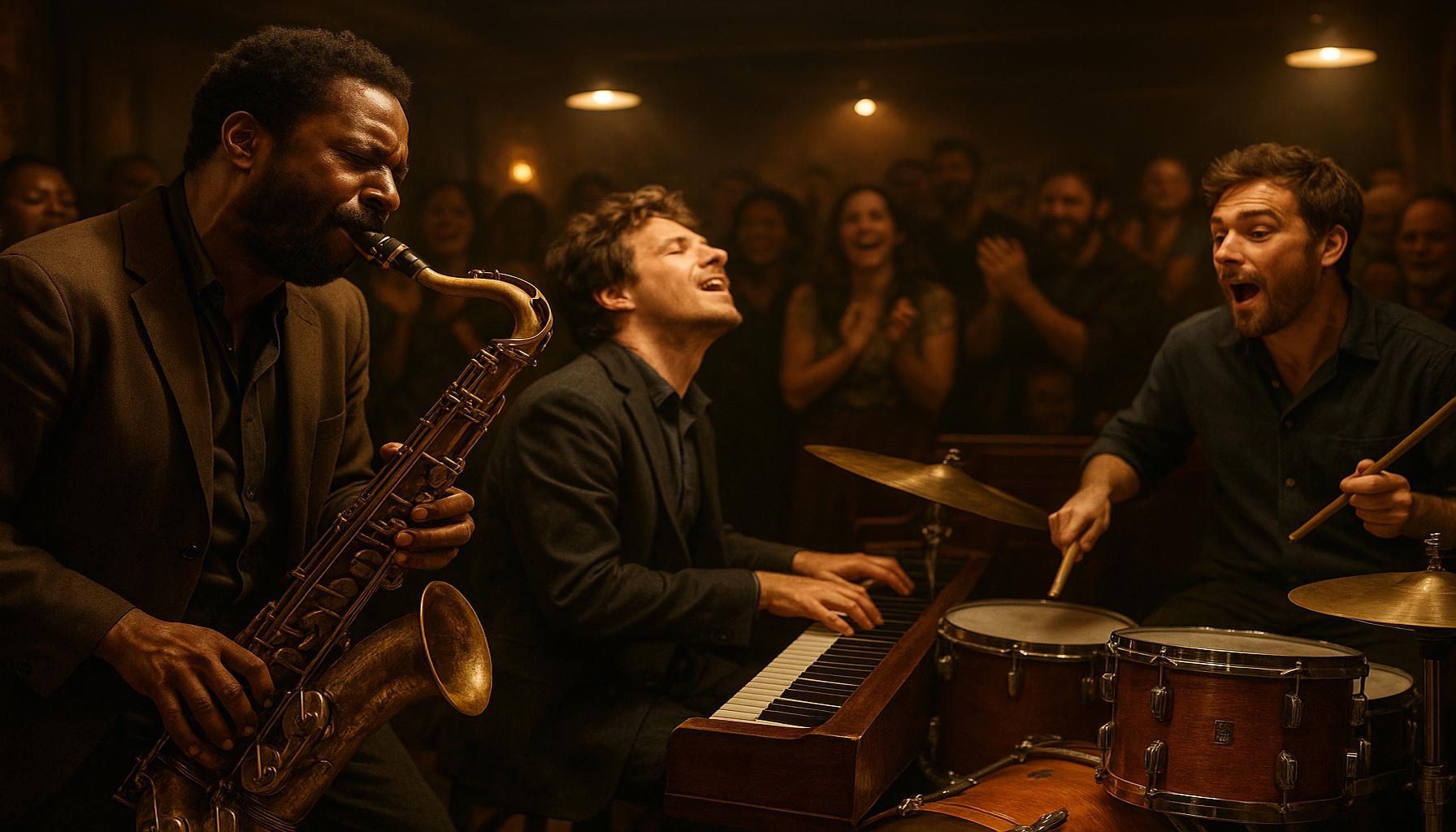
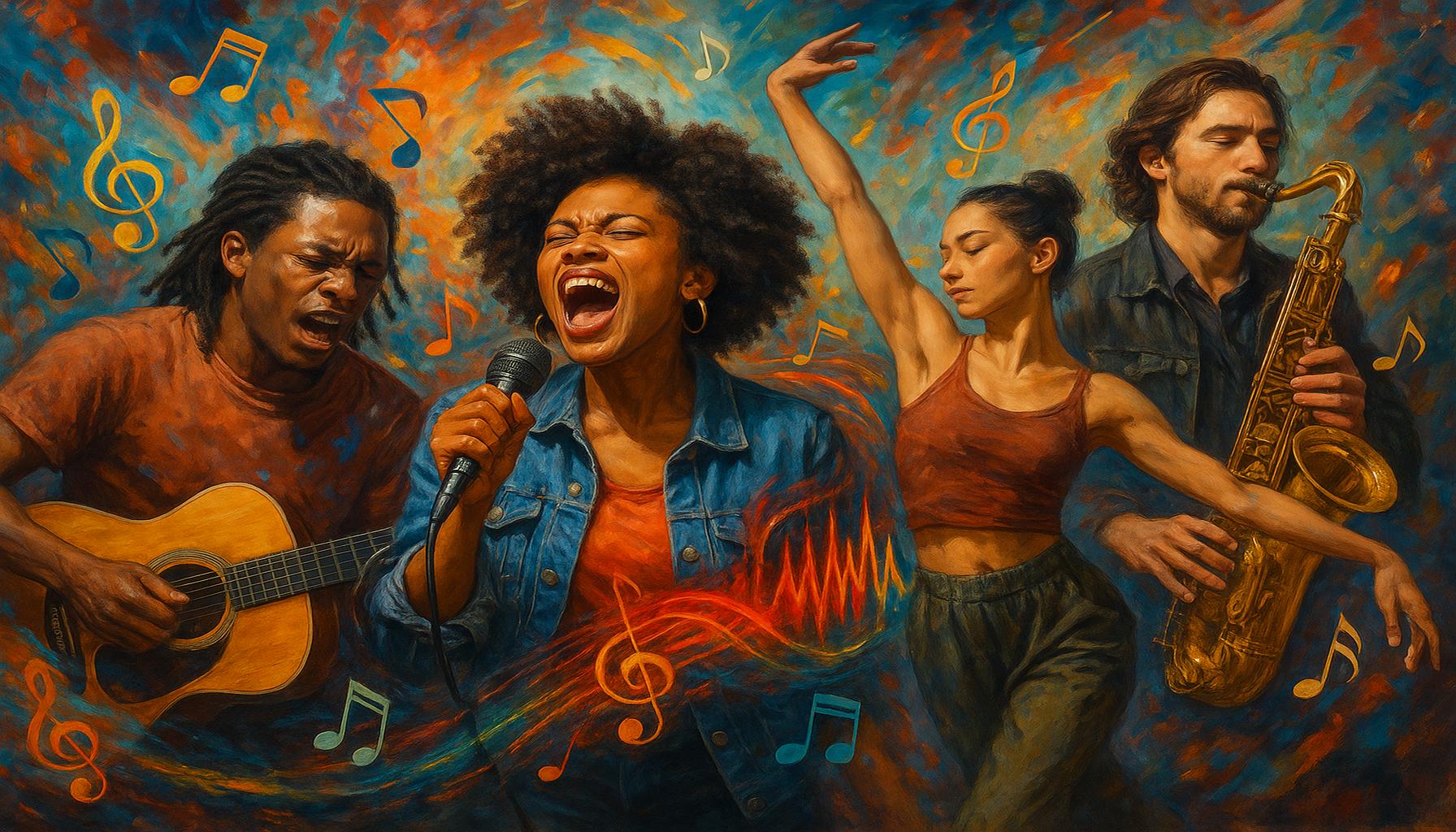
Furthermore, engaging with music can enhance creativity and inspire personal expression across various art forms, such as visual arts, writing, and dance. Many artists, writers, and performers cite music as a significant source of inspiration that fuels their creative processes. For instance, an artist listening to jazz might find themselves drawn to experiment with bold colors and abstract forms. Similarly, a poet may find that the rhythm and meter of a song can influence their writing style, creating unique verses that resonate with readers.In exploring the ways music influences personal self-expression, it’s essential to acknowledge how different musical environments—whether through live performances, intimate gatherings, or solitary listening—can impact one’s emotional experience and subsequent expression. Engaging deeply with music allows individuals to explore their emotions, thoughts, and identities in multifaceted ways, evolving their self-expression continuously through the lens of sound.
| Personal Identity | Incorporation of Music |
|---|---|
| Cultural Representation | Music reflects cultural backgrounds and personal stories |
| Emotional Connectivity | Facilitates connections with emotions, helping to articulate feelings |
As we continue to unravel the intricate relationship between music and personal self-expression, it becomes increasingly clear that our musical journey not only shapes who we are but also fosters an ongoing dialogue between self and society. This connection invites individuals to explore, innovate, and share their distinct narratives through the universal language of music.
DISCOVER MORE: Click here to learn how music can elevate your mental well-being
Therapeutic Benefits
Music has long been recognized for its therapeutic effects, facilitating emotional healing and personal growth. Music therapy, a growing field, exploits the ability of music to improve mental health and well-being. For example, countless studies reveal that patients dealing with anxiety, depression, or trauma often experience significant relief through musical engagement. These findings highlight how personal self-expression through music offers a pathway to articulate feelings and establish a sense of community with practitioners who understand them. The soothing qualities of genres such as classical or ambient music have been shown to decrease heart rates and lower stress levels, illustrating music’s profound ability to affect our psyche.
Empowerment through Creation
Creating music provides a platform for individuals to express their identities and emotions in deeply personal ways. Platforms such as SoundCloud and YouTube have democratized music creation, enabling aspiring artists to publish their work and share messages that resonate with their lives. Through DIY production, marginalized voices can be amplified, breaking down the barriers that previously hindered them from entering mainstream music. For instance, artists like Billie Eilish have gained immense popularity and acclaim through their bedroom recordings, demonstrating that personal creativity can triumph through authenticity and vulnerability. This empowerment allows individuals to explore themes of self-discovery and vulnerability—elements that are central to their personal narratives.
Communal Experience and Collective Identity
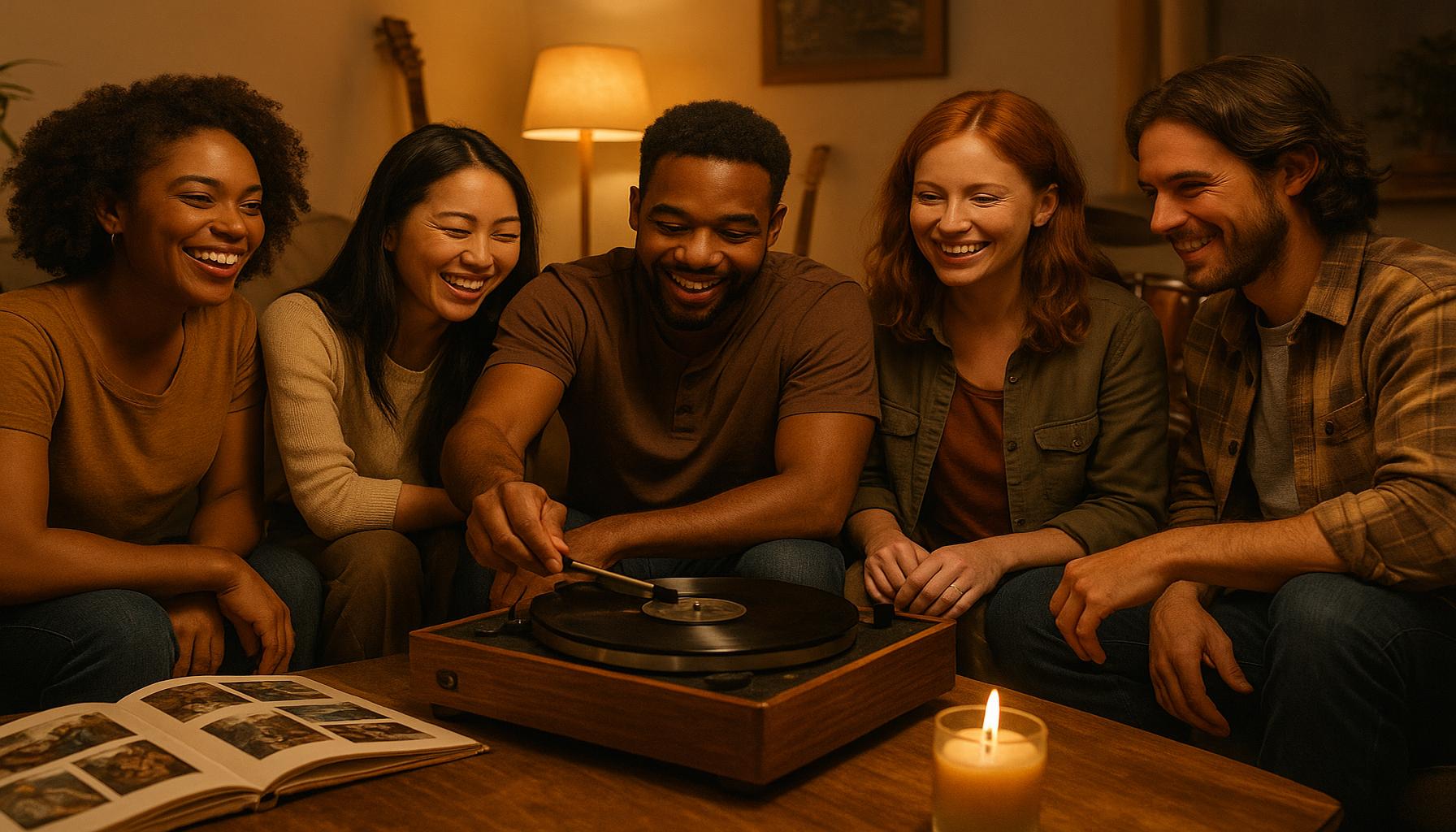
Music serves as a unifying force, creating a sense of belonging among diverse groups. This communal experience enhances personal self-expression through shared enjoyment and understanding of musical themes. Events like Coachella or Lollapalooza attract thousands who find not just entertainment but also a collective identity that celebrates their shared interests. On social media platforms, fans engage in discussions around their favorite artists and songs, fostering an online community that amplifies personal experiences through music. The rise of TikTok has further exemplified this phenomenon, where users creatively express their feelings and identities by sharing snippets of songs that resonate with their personal circumstances, thus leading to waves of viral trends that unite people across the nation.
Influence of Music on Mood and Motivation
The direct correlation between music and one’s mood is undeniable, and this influence extends beyond mere enjoyment. Research indicates that the type of music individuals listen to can significantly impact their motivation, largely affecting performance in various tasks, from exercising to studying. Upbeat genres like pop or dance music can enhance energy levels and productivity, while slower tempos may encourage reflection and relaxation. A study conducted by the University of California found that individuals who listen to music while exercising tend to push themselves harder and enjoy the process more, thereby linking the act of listening to music closely with personal motivation and self-improvement.
As the influence of music blends seamlessly into various aspects of life, it becomes evident that its role in personal self-expression transcends the simple act of listening. Instead, it permeates the very essence of how individuals engage with their emotions, communities, and identities, invariably shaping their personal journeys.
DISCOVER MORE: Click here to learn how music can boost your mental health
Conclusion
Ultimately, the influence of music on personal self-expression is a multifaceted phenomenon that resonates deeply within the human experience. From the therapeutic benefits that facilitate emotional healing to the empowering act of creating and sharing music, its impact transcends boundaries and fosters connections among individuals. As our understanding of music’s role evolves, we begin to see it not only as a means of artistic expression but also as a vital component of mental well-being and communal bonding.
The way music shapes our moods and motivates us further underscores its significance in our lives. As we navigate through personal challenges or collective experiences, music becomes a source of solace, motivation, and shared identity. In an age where technology enables unprecedented access to music creation and distribution, listeners and creators alike can engage in this powerful art form in ways that align with their narratives, identities, and experiences.
As we delve deeper into the complexities of self-expression through music, it is essential to recognize its capacity to foster inclusivity and understanding across diverse populations. The journey into one’s self through music can be transformative, culminating in a richer, more nuanced sense of identity and community. For those looking to explore this intriguing intersection further, consider evaluating your own musical preferences, participating in music-related activities, or discovering new genres. The world of music offers endless avenues for personal self-expression—and the possibilities for discovering oneself within its rhythm are boundless.