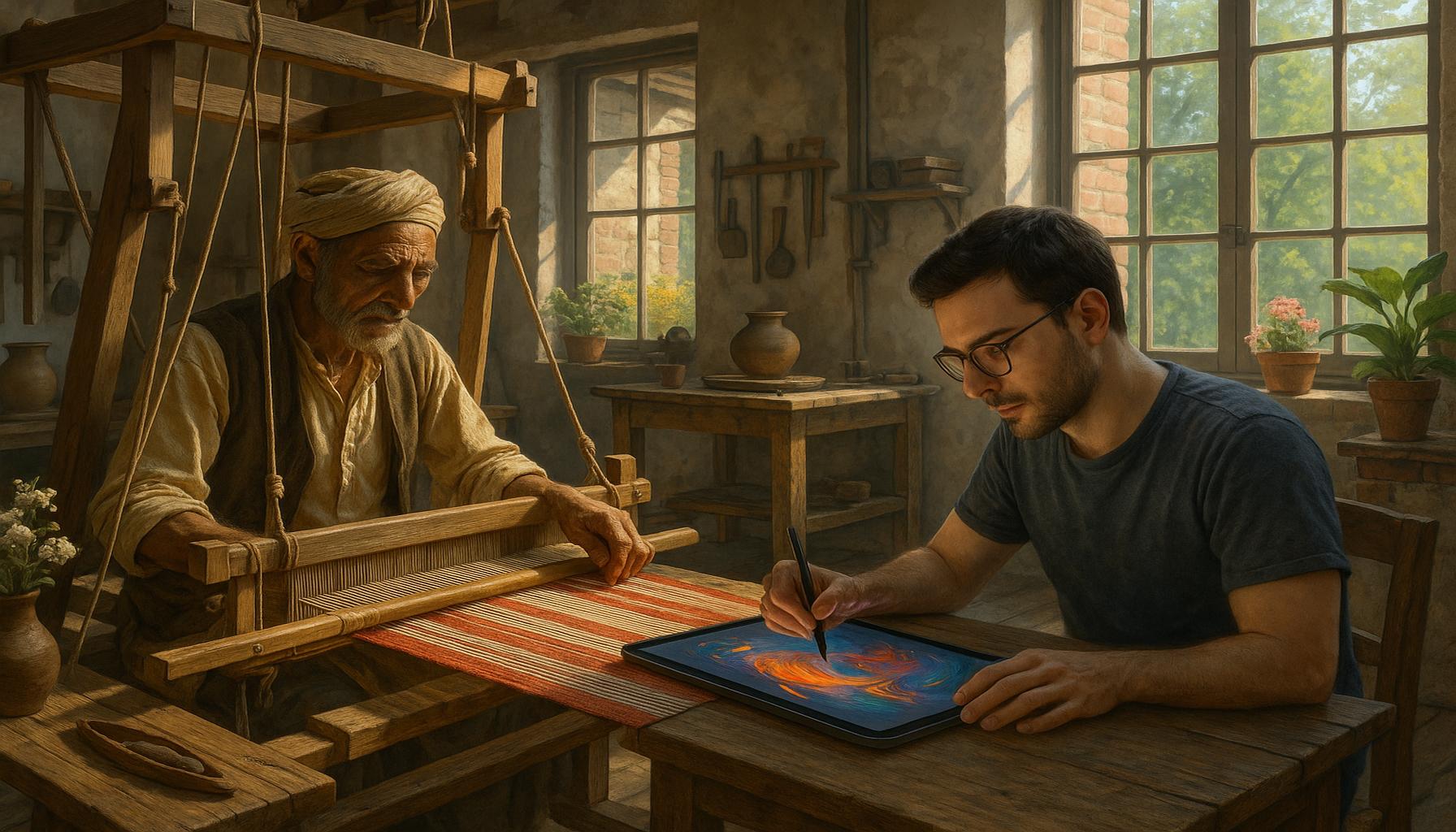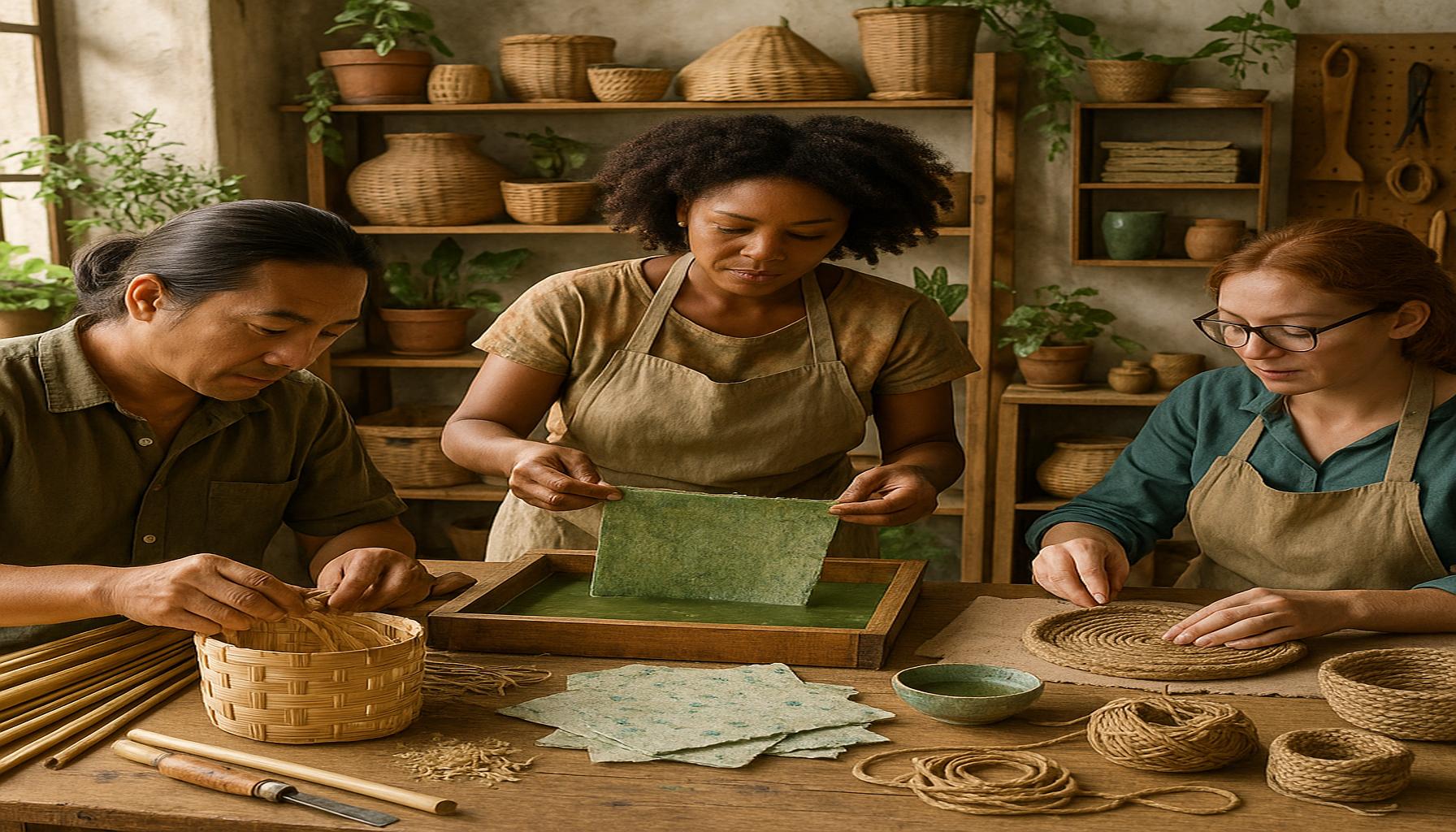
The Power of Hands: Techniques of Handicraft and Their Influence on Creativity
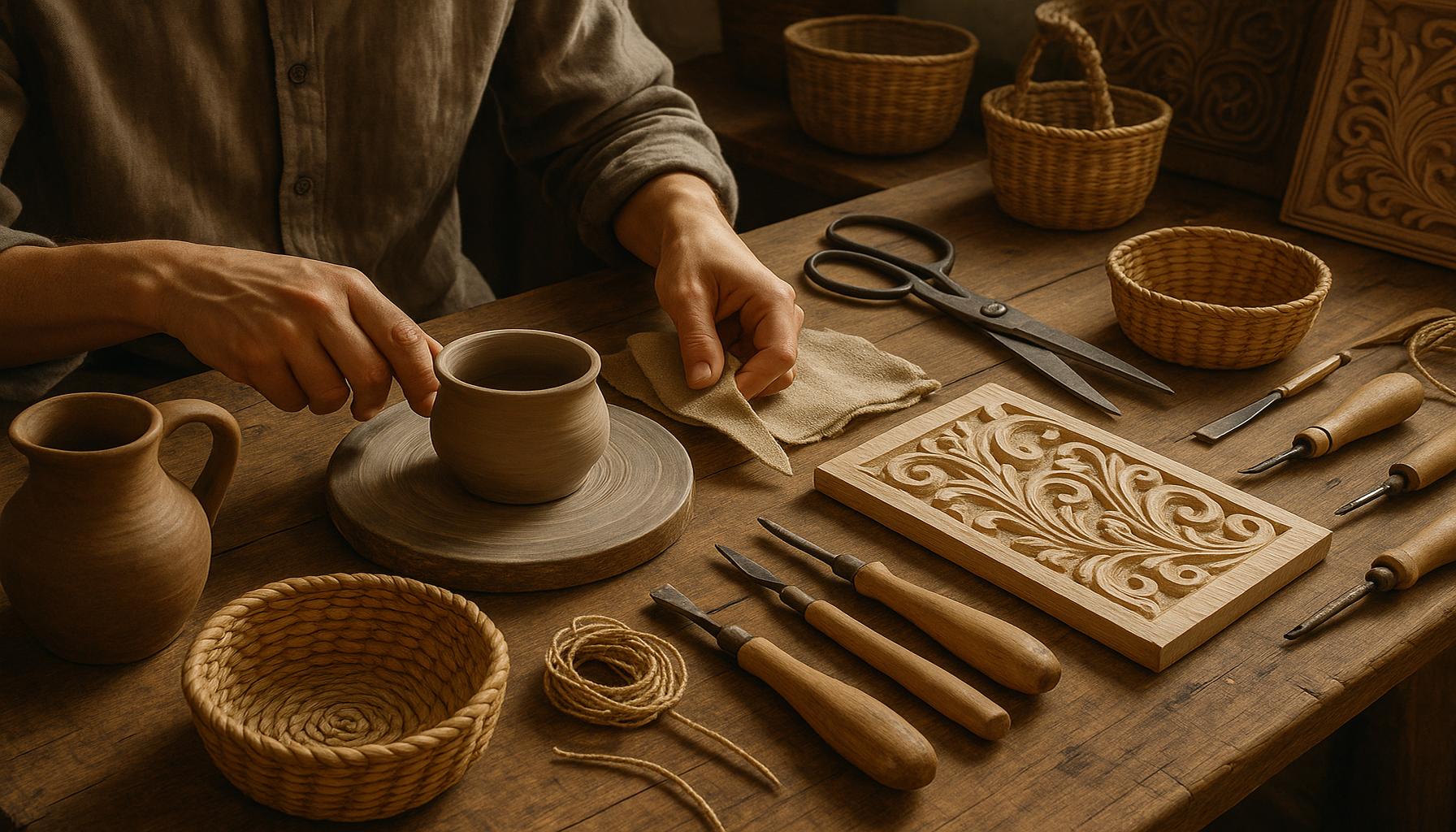
Exploring the Impact of Handicrafts on Creativity
The tactile experience of working with our hands has an undeniable impact on creativity. Engaging in traditional handicrafts in our fast-paced digital world offers a much-needed break, forging a deep connection to our artistic instincts. These creative processes can inspire not only personal expression but also a resurgence of passion for creation and innovation.
There exists a profound variety of techniques that harness the power of hands, each offering unique benefits and pathways to exploration:
- Knitting and Crocheting: As practitioners loop and stitch their way through a pattern, these yarn arts create a rhythm that can provide a meditative state, allowing the mind to wander and explore new ideas. Many enthusiasts report that the repetitive motions help reduce anxiety while simultaneously boosting creativity, making it a perfect avenue for artistic exploration. Projects can range from practical items like sweaters and blankets to whimsical toys and art pieces, showcasing the maker’s unique perspective.
- Woodworking: This age-old craft requires a level of precision that not only elevates problem-solving skills but also fosters an appreciation for craftsmanship. Carving, shaping, and assembling wood encourages individuals to think critically about design and functionality. Whether it’s constructing furniture or creating intricate sculptures, woodworking presents an avenue for endless innovation.
- Pottery: The manipulation of clay stimulates sensory awareness and encourages experimentation with form and texture. The tactile nature of working with clay invites artists to explore different techniques such as throwing on a wheel or hand-building. Pottery promotes patience and mindfulness, turning a simple lump of clay into beautifully crafted bowls or sculptural art forms. Many find pottery particularly therapeutic as they delve into the tactile experience of shaping and molding.
Each of these techniques encourages both focus and playfulness, vital ingredients for sparking creativity. Activities like these allow individuals to express their unique perspectives, weaving a rich tapestry of ideas and designs. Beyond the artistic output, the act of making with our hands serves as a therapeutic outlet that enhances our ability to innovate and think outside the box.
The transformative nature of handicrafts extends beyond personal gratification; it also fosters community connections. Local workshops, craft fairs, and online platforms allow individuals to share their creations and learn from one another, reinforcing the idea that creativity flourishes in a communal environment.
In this article, we will delve deeper into how these diverse techniques empower us, inspire our imaginations, and transform not just our creations, but our lives as well. Join us as we explore the fascinating relationship between handicrafts and creativity, and discover how engaging with your hands can unlock a world of artistic potential.
DISCOVER MORE: Click here to delve into the power of music
Unlocking Creativity Through the Art of Handicrafts
The rich landscape of handicrafts presents a captivating playground where our hands become the tools of innovation. Whether it’s shaping clay or intertwining fibers, these tactile activities allow us to tap into our innate creativity while nurturing skills that extend beyond the craft itself. As we explore the diverse techniques of handicraft, we begin to uncover how they not only serve as creative outlets but also foster personal growth and enhance cognitive abilities.
One of the most compelling aspects of engaging in handicrafts is the way it stimulates the brain. Activities such as sewing and embroidery require fine motor skills and attention to detail, engaging both the left and right hemispheres of the brain. This holistic engagement can lead to improved problem-solving abilities and enhanced concentration. Research suggests that such hands-on activities can have a significant impact on mental health, with many individuals reporting reduced symptoms of depression and increased feelings of accomplishment.
- Origami: The Japanese art of paper folding is not just about creating intricate designs; it also promotes spatial awareness and critical thinking. By following complex diagrams and manipulating paper to achieve desired shapes, practitioners sharpen their cognitive skills while enjoying the serene process of creation.
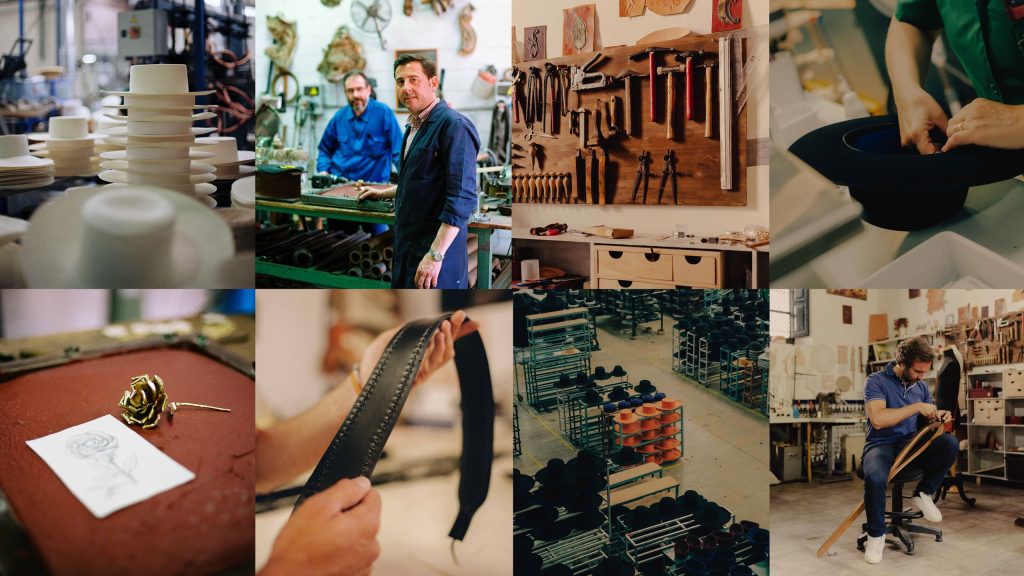
- Leatherworking: Crafting items from leather not only demands precision and craftsmanship but also opens the mind to possibilities. As artisans cut, dye, and stitch, they learn to appreciate the value of patience and meticulousness, leading to enhanced planning and execution skills in both their art and daily lives.
- Floral Arranging: This technique combines creativity with a deep understanding of color theory and composition. By arranging flowers, practitioners explore the aesthetics of design while also tapping into their emotional expressions, making each bouquet a personal narrative.
Handicrafts also provide a beautiful avenue for self-expression and storytelling. Each piece created is imbued with the maker’s experiences, emotions, and inspirations. Whether it’s knitting a quilt that tells the story of cherished memories or woodworking a piece that reflects personal values, the result is an artisan’s legacy, silently communicating to others. This melding of psyche and craftsmanship lays the foundation for greater confidence in one’s creative abilities, inviting experimentation and risk-taking in art and beyond.
The power of hands thus extends beyond the act of creating; it cultivates a mindset oriented towards exploration and discovery. As crafters delve into projects that resonate with their passions, they embark on a journey of learning that nurtures their creativity and fosters resilience. Ultimately, the processes involved in handicrafts not only yield beautiful creations but also pave the way for personal transformation and renewed vigor in the pursuit of artistic endeavors.
| Advantages | Impact on Creativity |
|---|---|
| Sensory Engagement | Handicraft techniques stimulate multiple senses, fostering a deeper emotional connection to the creation process. |
| Problem-Solving Skills | Working with one’s hands encourages critical thinking and the ability to overcome challenges with innovative solutions. |
| Focus and Mindfulness | Engaging in detailed craftwork enhances concentration and promotes a state of mindfulness, aiding creative thought. |
| Material Exploration | Experimenting with various materials allows for unconventional ideas and techniques to flourish, expanding creative boundaries. |
The influence of handicraft on creativity cannot be overstated. Each advantage highlights a crucial aspect of how our hands, when engaged in manual tasks, contribute to the enhancement of our creative skills. As we explore the rich domain of handicraft, we uncover a world where innovation is born through tactile experiences, revealing the profound relationship between manual dexterity and imaginative thinking. This connection opens doors to new expressions in artistry and design, making it essential for individuals seeking to deepen their own creative pursuits. Through the power of hands, we not only create but also transform our understanding of creativity itself.
DIVE DEEPER: Click here for essential gardening techniques
Crafting Connections: The Social Impact of Handicrafts
While the personal benefits of engaging in handicrafts are profound, the social aspects of these creative endeavors are equally significant. Opportunities to gather in workshops or community spaces not only facilitate the sharing of skills and techniques but also foster connections among participants. These communal experiences can ignite friendships and create support networks that build a sense of belonging, cultivating an environment fueled by creativity and collaboration.
For instance, community crafting initiatives, such as knitting circles or pottery classes, have gained popularity in numerous towns across the United States. In cities like Portland and New York, these gatherings provide a platform for individuals to share their crafts while exchanging stories and life experiences. This communal aspect of crafting can alleviate feelings of isolation and encourage individuals to express their creativity more freely. Moreover, such interactions often lead to mentorship opportunities, where seasoned crafters can empower newcomers, further enriching the crafting community.
- Community Quilting: One of the most cherished traditions in American handicrafts is quilting, where groups of individuals come together to create intricate quilts. This process not only embodies creativity but also serves as a medium for storytelling, often reflecting the community’s history and culture.
- Upcycling Workshops: In response to environmental concerns, many communities are embracing upcycling workshops where participants transform discarded materials into valuable handmade goods. These sessions underline creativity’s role in sustainability, encouraging innovation while developing a collective consciousness about environmental stewardship.
- Art Fairs and Exhibitions: Events like craft fairs in local parks or galleries provide opportunities for artisans to showcase their handiwork. These venues are not merely for selling crafts; they serve as stages for interaction, inspiration, and the exchange of ideas among crafters and the larger community.
Furthermore, the psychological benefits of participating in group handicrafts cannot be overlooked. Studies indicate that these collaborative settings can lead to increased feelings of happiness and fulfillment. Being part of a crafting community fosters a sense of accountability, where participants feel encouraged to pursue their creative inclinations and share their progress with others. This camaraderie can also enhance motivation, as individuals witness firsthand the diverse approaches and perspectives of their peers.
As we delve deeper into the influence of handicrafts on creativity, it becomes evident that they act as catalysts for self-improvement and social interaction. The tactile nature of crafting encourages mindfulness, drawing individuals into the present moment and helping alleviate the stresses of daily life. As artisans engage with their materials and fellow crafters, they not only express their identities but also contribute to a more vibrant and interconnected community.
In exploring the intersection of creativity and community through handicrafts, we reveal the transformative power of hands that extends beyond the realm of artistic expression. The process of creating, sharing, and learning together culminates in rich experiences that nourish both individual and collective spirits. As we embrace these diverse techniques, we invite endless possibilities for growth, connection, and creative exploration.
EXPLORE MORE: Click here for beginner-friendly gardening techniques
The Lasting Impact of Handicrafts on Creativity
In conclusion, the exploration of handicrafts reveals a profound connection between creativity, personal fulfillment, and social engagement. As we have observed, the act of crafting goes beyond mere technique; it serves as a vital avenue for self-expression and a pathway to discover one’s unique voice. By engaging with materials and experimenting with various techniques, individuals cultivate a deep sense of empowerment that fuels their creativity.
The communal aspect of handicrafts plays a pivotal role in shaping our creative landscapes. Through workshops, gatherings, and collaborative projects, artisans not only enhance their skills but also build networks of support that reduce isolation and foster meaningful relationships. These connections empower individuals to express their narratives, promote cross-generational learning through mentorship, and solidify the importance of creativity in local cultures.
Moreover, as communities embrace the innovative spirit inherent in handicrafts—be it through upcycling initiatives or quilting bees—it encourages a heightened awareness of sustainability and the shared responsibility of caring for our environment. This ethos not only enriches the crafting experience but also instills a collective consciousness that transcends individual artistry.
As we navigate the ever-evolving landscape of creativity, it is vital to recognize the transformative power of our hands. By celebrating the multitude of techniques within handicrafts, we open the door to infinite possibilities for personal growth, communal connections, and artistic exploration. Whether you are a seasoned artisan or just beginning your creative journey, the world of handicrafts beckons, inviting everyone to wield their hands in the pursuit of beauty, purpose, and connection.