The Role of Music in the Creation of Memories and Collective Experiences
The Role of Music in Memory and Emotion
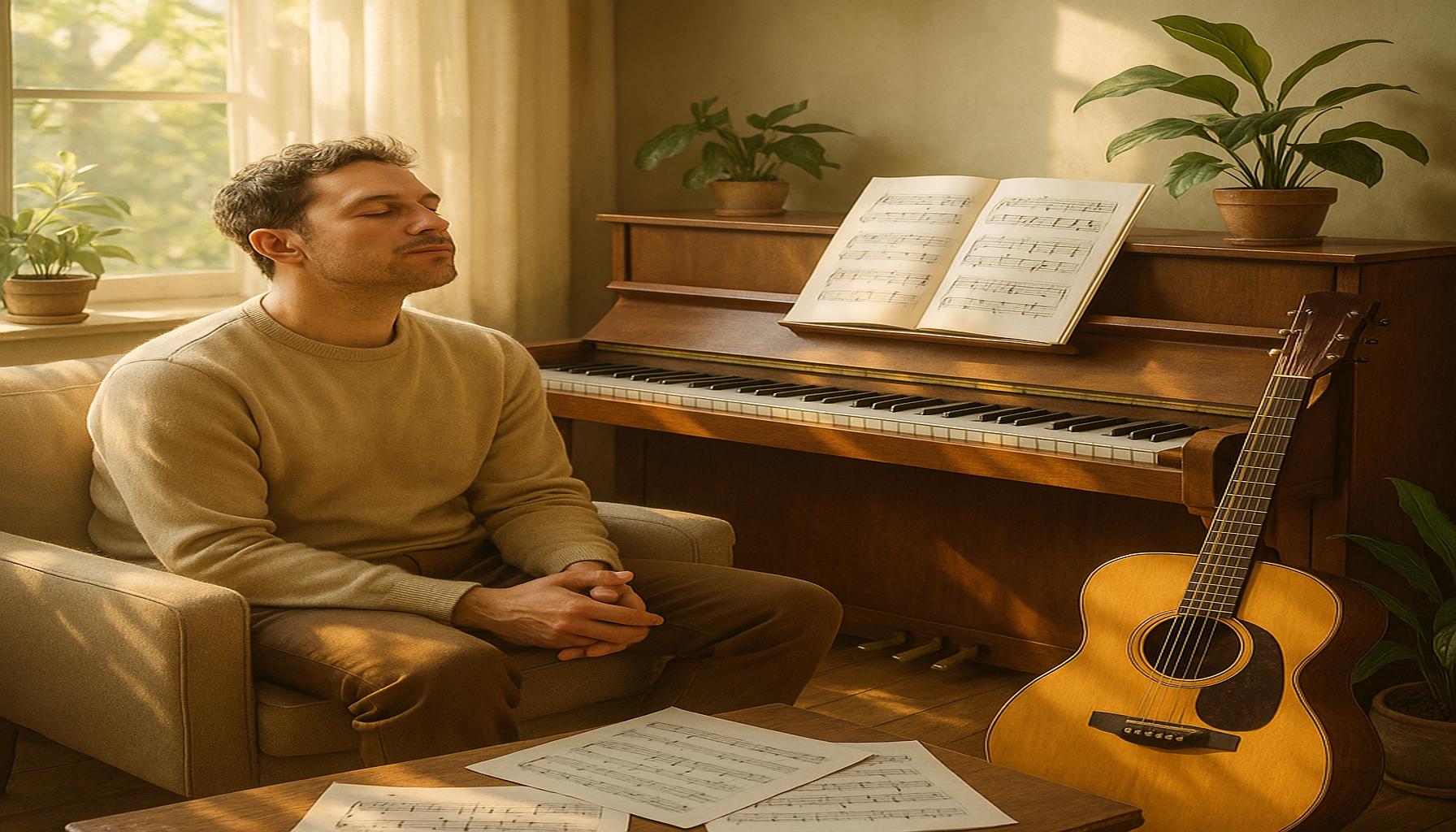
Music is intricately woven into the fabric of our daily lives, serving not just as entertainment but also as a profound tool for memory formation. When we hear a familiar song, it often transports us to specific moments in time, triggering vivid recollections tied to experiences from our past. The connection between music and memory is fascinating and deserves exploration.
Personal Memories: Many individuals have songs that are inextricably linked to significant life milestones. For example, the first dance at a wedding may feature a couple’s choice of song that encapsulates the love and commitment shared on that day. Similarly, graduation ceremonies often feature anthems that evoke feelings of accomplishment and nostalgia. A classic example is “Pomp and Circumstance,” often played during graduation ceremonies across the United States, which may bring a wave of memories about friendships and life transitions.
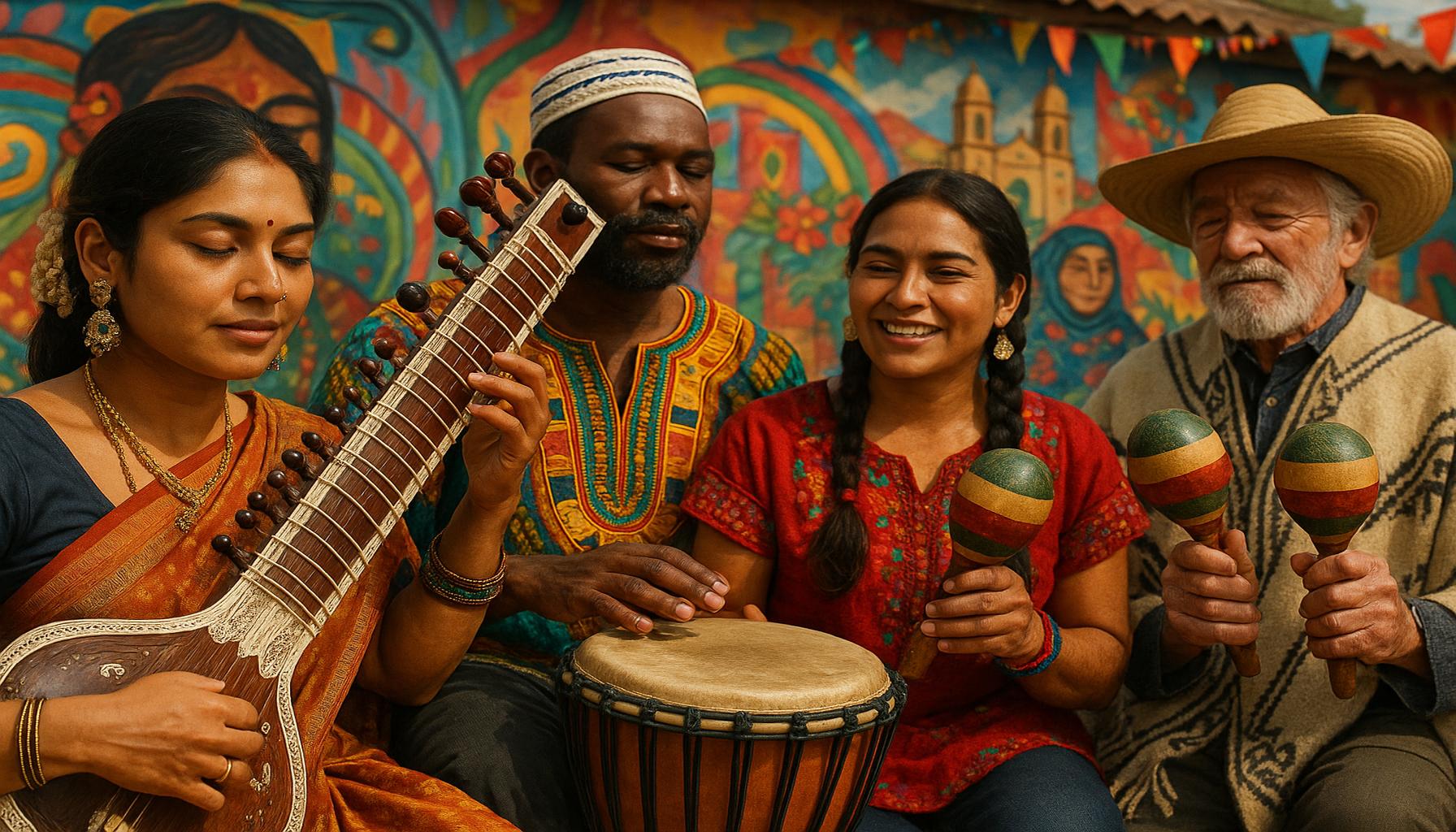
Cultural Identity: Music also plays a critical role in expressing and reinforcing cultural identity. In the U.S., national anthems like “The Star-Spangled Banner,” sung at sporting events, instill pride and a sense of belonging in citizens. Additionally, regional folk music, such as Appalachian bluegrass or Tex-Mex conjunto, reflects the diverse cultural heritage of various communities. These tunes not only entertain but also serve as a reminder of shared history and collective identity.
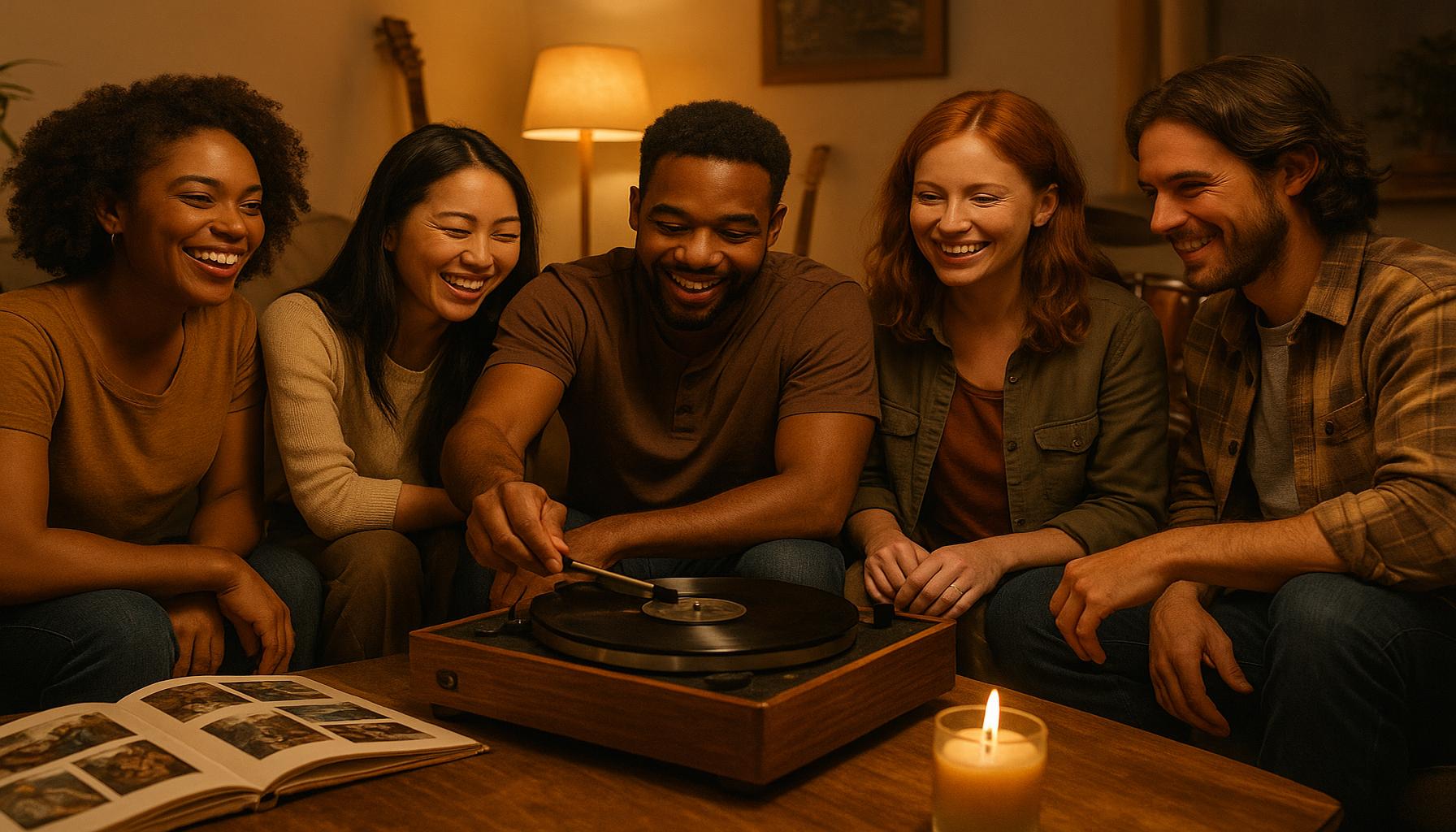
Social Connection: The power of music to connect people cannot be understated. Concerts and music festivals are modern-day communal experiences where individuals, regardless of their backgrounds, come together to enjoy a shared passion. Events like Coachella or Lollapalooza create an atmosphere of unity, where strangers bond over their favorite artists and songs, forming new friendships and memories that can last a lifetime.
Scientific studies provide compelling evidence for the relationship between music and memory. Research shows that music activates brain regions associated with both memory and emotion, such as the hippocampus and the amygdala. This dual activation explains why people often find it easier to remember lyrics or melodies than other types of information. Furthermore, music therapy has emerged as a valuable tool in treating conditions such as Alzheimer’s, as familiar songs can help patients recall memories and maintain emotional connections.
By understanding the mechanisms at play between music and memory, one can appreciate how songs shape our individual and collective narratives. As we navigate life’s journey, the melodies that accompany us tell stories of our experiences, influence our emotions, and create lasting connections that transcend time and space. This ubiquitous art form offers both joy and meaning, reminding us of our shared humanity while enriching the tapestry of our lives.
Dive deeper: Click here to discover how music fuels change
Music as a Catalyst for Shared Memories
Throughout history, music has served as a powerful catalyst for creating &shared experiences that resonate across generations. It transcends individual lives, weaving together communal narratives that evoke collective emotions. From national anthems to holiday carols, music has the ability to unite groups of people, shaping their identities and creating memorable moments.
Collective Experiences: Major life events are often accompanied by specific musical selections that cement memories in the minds of participants. Festivals, parades, and sports events utilize music to heighten the collective experience. The familiar cheer of a school fight song at a football game elicits a sense of belonging, fostering loyalty among fans and creating lasting connections. Furthermore, public assemblies like rallies and demonstrations use music to amplify their messages, such as the civil rights movement’s incorporation of songs like “We Shall Overcome,” which served not only as a source of inspiration but as a means to foster unity and resilience among participants.
Rituals and Ceremonies: The role of music in religious ceremonies is another profound representation of its power to forge collective memories. Various faiths incorporate music into their rituals, allowing people to connect with both their spirituality and one another. For instance, hymns sung during church services or chants in temples invoke feelings of community and shared belief. These auditory experiences are not merely performance art; they deepen emotional ties among participants, connecting them beyond the moment and embedding the experience in their collective memory.
Music and Memory Formation: To understand how music aids in the creation of memories, it is important to examine the psychological aspects of music’s influence. Neurologically, music is processed differently than other stimuli; it activates memory centers in the brain, allowing for stronger and more evocative recall. Research indicates that when music is paired with a particular event, it creates what psychologists call a “context-dependent memory,” where the music itself triggers recollections of the event. For example, many people recall their high school prom experiences not just through visual images but through the unique soundtrack that accompanied the evening.
- National Moments: Gatherings at presidential inaugurations often feature music performances that symbolize unity and patriotism, such as Beyoncé’s rendition of the national anthem.
- Family Traditions: Holiday songs like “Jingle Bells” or “Auld Lang Syne” evoke cherished memories of family gatherings, creating a sense of nostalgia that can be felt long after the event.
- Cultural Celebrations: Music festivals celebrating cultural heritage—such as the Newport Folk Festival or the New Orleans Jazz & Heritage Festival—bring communities together, strengthening social bonds through shared musical experiences.
Understanding these dynamics not only highlights the significance of music in memory formation but also reveals how these shared auditory experiences shape our collective identities. From inspiring social movements to enabling personal nostalgia, music acts as a bridge between the past and present, fostering connections that can endure through time.
| Advantage | Description |
|---|---|
| Enhanced Emotional Connection | Music fosters strong emotional ties among individuals, creating shared experiences that deepen relationships. |
| Memory Recall | Certain melodies can trigger vivid memories, helping people to recall specific events tied to the music. |
| Cultural Identity | Music serves as a powerful symbol of cultural heritage, aiding in the preservation of traditions and shared narrative. |
The influence of music on collective memories cannot be overstated. From anthems that define generations to personal playlists that capture romances and friendships, music acts as a time capsule, housing emotions and experiences. The phenomenon of the “Music-Evoked Autobiographical Memory (MEAM)” reveals how specific tunes can elicit detailed memories and emotions linked to significant life events. Furthermore, with the evolution of social media, music plays a pivotal role in shaping collective moments, allowing diverse groups to connect through a shared soundtrack of life. Music festivals and concerts also provide a setting where unity is felt in the ether of sound, creating collective experiences that often become cherished memories. These aspects highlight not just the auditory pleasure of music, but its profound ability to create bonds and evoke nostalgia, marking it as an essential part of the human experience.
DISCOVER MORE: Click here to delve into the power of music in communities
The Psychological Power of Music in Memory Recall
Beyond its ability to forge shared experiences, music plays a crucial role in the way we recall memories. The psychological aspects of music’s influence delve deep into how we store and access memories, revealing fascinating connections between sound and recollection. Research has consistently shown that the brain processes music and memories in tandem, creating neural pathways that can enhance our ability to remember specific moments in life.
Music and Emotion: One of the key reasons music is so effective in creating and recalling memories lies in its emotional resonance. Music elicits emotions in a way that few other stimuli can, and emotions are tightly linked to memory formation. For instance, a specific song can evoke feelings of joy, sadness, or nostalgia, making it more likely that we will remember the event associated with that particular song. In essence, music entwines with our emotions, heightening our ability to recall the experiences tied to those feelings.
Studies on Music and Memory Retrieval: Numerous studies have evaluated the influence of music on memory retrieval. A landmark study published in the journal *Memory & Cognition* revealed that participants who listened to a specific piece of music while learning new information were better able to recall that information when they were exposed to the same music later. This context-dependent memory highlights how music serves as a trigger for revisiting past experiences, reinforcing the idea that the soundscapes of our lives play a pivotal role in shaping lasting memories.
- Memory in Alzheimer’s Patients: Interestingly, music has been found to have therapeutic effects on individuals with Alzheimer’s disease. Research indicates that familiar music can help trigger old memories and spark engagement, demonstrating music’s profound impact on memory recall in those with memory impairments.
- Soundtrack of Adolescence: For many, significant life phases—such as adolescence—are often accompanied by specific music that serves as a soundtrack to their experiences. Research suggests that songs from teenage years can evoke vivid memories long after they’ve been heard, a phenomenon that spatially links these songs to formative experiences.
- Shared Playlists and Online Communities: In today’s digital age, shared playlists on platforms like Spotify or Apple Music are generating collective experiences among listeners from all walks of life. These curated collections allow friends and strangers alike to exchange memories associated with particular songs, fostering a sense of community through shared musical tastes.
Cultural Contexts: The role of music extends beyond the individual into the realms of culture and tradition, creating collective memories aligned with cultural narratives. Festivals, like Mardi Gras in New Orleans, highlight how music acts as a medium for shared cultural identity. Local bands performing jazz standards remind attendees of their heritage while also instilling new memories that will be revisited in future years.
This multifaceted role of music, from enhancing personal nostalgia to facilitating community bonding through collective experiences, reveals the extraordinary ways it shapes our lives. It’s clear that music, as a universal language, not only captures moments in time but also plays a significant part in how we engage with our memories, drafting a shared soundtrack to the diverse tapestry of human experience.
DIVE DEEPER: Click here to discover how music drives change
Conclusion
In sum, the role of music in the creation of memories and collective experiences is a profound testament to its influence on the human experience. Music serves as a powerful vehicle that not only captures the essence of our life’s milestones but also preserves cultural narratives across generations. Its ability to evoke emotions plays a critical part in the formation of memories, allowing individuals to form connections with significant events and shared experiences that span time and space.
As demonstrated through various studies, the intertwining of music and memory underlines the importance of sound in shaping our recollections, acting as an auditory cue that can trigger vivid memories from the past. This intersection becomes even more poignant in the context of events such as cultural festivals or personal celebrations where music acts as the backdrop to shared joy and collective belonging, creating lasting impressions in our minds.
Looking forward, it will be fascinating to explore how modern technology continues to shape our musical experiences. With the rise of digital platforms allowing for personalized playlists and the sharing of music across social networks, the collective experience of music is set to evolve further. As we tap into these new dimensions of music’s role in our lives, we can better understand its capacity to inspire, connect, and cultivate memories, continuously enriching the tapestry of human existence. This exploration invites us to reflect on how we can harness the emotional power of music to create new memories and nurture our cultural identities, proving that the soundtrack of our lives is ever-present and continuously evolving.