Unmissable Cultural Experiences: Festivals and Traditional Celebrations in Nigeria

Nigeria’s Cultural Festivals: A Celebration of Diversity
Nigeria boasts an array of festivals that encapsulate the spirit and essence of its diverse cultures. Each festival serves as an annual gathering that not only celebrates traditional customs but also strengthens community bonds. The country’s rich collection of ethnic groups—over 250—contributes to a colorful mosaic of traditions, each with its distinct flavor and style. As one travels across the nation from north to south, they will encounter a spectrum of events that highlight Nigeria’s deep-rooted heritage and communal life.
Key Festivals to Experience
- Ouidah Voodoo Festival: Held in the renowned town of Ouidah, this festival offers outsiders a rare glimpse into the spiritual practices that form the foundation of local beliefs. Engaging with captivating rituals, art, music, and dance, festival-goers can witness the vibrant ceremonies embodied in this event even as they intersect with contemporary life. The festival draws in tourists from around the globe eager to experience the blend of heritage and spirituality.
- Durbar Festival: Celebrated in the northern states of Nigeria, particularly in Kano, the Durbar Festival features a stunning parade of horsemen adorned in exquisite attire. This event marks the end of Ramadan and serves to honor the sultan and the cultural values of the region. The spectacle includes military displays, traditional music, and the vibrant sounds of thousands of drums that enhance the lively atmosphere.
- Calabar Carnival: Known as “Africa’s Largest Street Party,” the Calabar Carnival transforms the city into a hub of excitement every December. This month-long celebration features a series of events including costume parades, music competitions, and food fairs showcasing local cuisine. Participants and onlookers alike revel in a dazzling display of creativity, with elaborate floats and cultural performances that highlight Nigeria’s artistic talent.
- Eyo Festival: As one of the most important festivals in Lagos, the Eyo Festival serves to commemorate the life of a deceased king and to honor the ancestors of the Yoruba people. Visitors are treated to an impressive display of masqueraders, drummers, and dancers who interpret historical narratives through their performances. With its roots deeply embedded in Yoruba culture, it effectively captures the rich symbolism and traditions that define the region.
- Igbo New Year: The Igbo New Year Festival, celebrated predominantly in southeastern Nigeria, highlights community spirit, resilient traditions, and the celebration of a bountiful harvest. Vibrant rituals, traditional dances, and family gatherings are central to this festival, emphasizing unity and gratitude. People prepare and share traditional dishes, showcasing the rich culinary heritage of the Igbo culture.
Attending any of these festivals not only results in memorable experiences but also lays the groundwork for a profound understanding of Nigeria’s cultural nuances. The interplay of music, dance, food, and tradition allows participants to delve deeper into the country’s societal fabric. For both locals and visitors alike, engaging with these events paves the way to appreciate Nigeria’s diversity while fostering cultural exchange and a greater sense of belonging.
ADDITIONAL INSIGHTS: Expand your understanding here
Experiencing the Heartbeat of Nigeria through Festivals
Nigeria’s festivals are not merely events on a calendar; they represent the heartbeat of the nation, echoing the values and customs of its people. Each celebration invites participation and offers visitors a rich tapestry of stories woven from ancient traditions, artistry, and communal spirit. Whether you are an indigenous Nigerian or a curious traveler, immersing yourself in these jubilant occasions is an unmatched way to experience the country’s diversity. Let’s explore some of the most significant festivals that capture the cultural essence of Nigeria.
The Role of Festivals in Nigerian Society
Festivals in Nigeria serve multiple purposes; they are instrumental in bringing communities together, fostering unity, and preserving cultural heritage. Many of these events are tied to agricultural cycles, religious observances, or historical commemorations. For locals, these celebrations provide a time to reconnect with their roots, while for visitors, they present an opportunity to engage directly with rich customs and new faces.
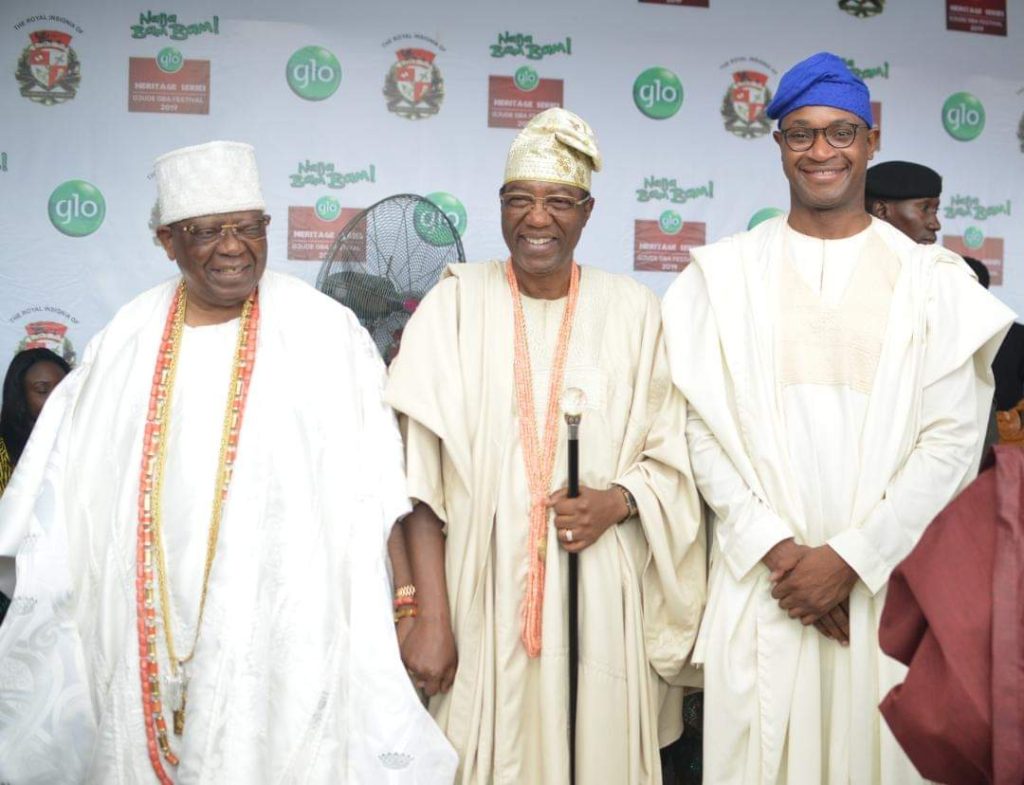
- Religious Significance: Many festivals have deep religious implications. For example, the Id el-Fitr, celebrated by Muslims after Ramadan, is marked by prayer and communal feasting. Conversely, the Ogun Festival, celebrated by the Yoruba people, honors the god of iron and war, showcasing traditional rites and offerings that emphasize spirituality and gratitude.
- Artistic Expressions: Festivals in Nigeria are renowned for their artistic vibrancy. Traditional music, dance, and visual arts come alive during events like the Calabar Carnival, where elaborate costumes and performances celebrate creativity. This artistic showcase provides a platform for local talent, nurturing the creative industries within Nigeria.
- Economic Impact: The influx of tourists during festival seasons also boosts local economies. Markets blossom, local artisans display their work, and culinary delights attract patrons. Participation from various stakeholders, including craftsmen, musicians, and vendors, creates a lively environment while contributing to sustainable livelihoods.
Beyond the festivities themselves, the intricate rituals and practices surrounding these events offer rich insights into the philosophy of African life. For example, the Eyo Festival not only highlights masquerades; it symbolizes the transient nature of life and reverence towards ancestors, demonstrating a profound link to spirituality and community.
Through experiencing these unmissable cultural experiences, you can explore not only the festivities but the narratives they embody. Engaging with locals and participating in traditional practices allows for a deeper understanding of Nigeria’s cohesive yet diverse identity. Each festival, laden with meanings and values, is a gateway into the remarkable cultural landscape of the nation, awaiting your exploration.
Unmissable Cultural Experiences: Festivals and Traditional Celebrations in Nigeria
Nigeria is a land rich in culture and heritage, and its festivals and traditional celebrations serve as a vibrant tapestry showcasing the diversity of its people. Within this diverse cultural framework, each festival offers unique experiences replete with music, dance, and traditional cuisine, making them truly unmissable for anyone looking to grasp the essence of Nigerian culture.
| Festival Type | Key Features |
|---|---|
| Cultural Festivals | Traditional dances, music performances, and art exhibitions highlight the local heritage. |
| Religious Celebrations | Spiritual rituals, communal prayers, and festive gatherings foster unity among participants. |
Moreover, engaging in these festivals not only enhances personal acquaintance with Nigerian traditions but also allows individuals to embrace the remarkable community spirit that transcends borders and ethnic affiliations. From the dazzling lights and colors of the Calabar Carnival to the soul-stirring rhythms of the Osun-Osogbo Festival, each event offers an opportunity to dive deeper into the customs and the rich heritage that define Nigeria’s cultural landscape.
Offering an immersive experience, these celebrations encourage connections with locals who passionately share stories behind their traditions. Those interested in experiencing this cultural wealth can look forward to a journey filled with culinary delights, breathtaking artistry, and historical insights, making it a compelling reason to visit Nigeria during these vibrant times.
RECOMMENDED: Check out this similar article
The Vibrancy of Local Festivals: A Kaleidoscope of Traditions
As one traverses the landscape of Nigeria, the vibrant tapestry of local festivals unfolds, showcasing the country’s rich cultural heritage. Among these, the Osun-Osogbo Festival stands out, celebrated annually at the sacred Osun-Osogbo Grove in Osogbo, Osun State. This festival, which honors the river goddess Osun, draws thousands of worshippers and tourists alike. With its rituals steeped in spirituality, attendees engage with traditional priests, experience colorful processions, and witness the culmination of a week’s events with offerings made to the goddess. This festival emphasizes harmony, reverence for nature, and the need to preserve ancient practices amidst modernity.
Equally captivating is the Argungu Fishing Festival, held in Kebbi State, which celebrates the annual fishing season in the Niger River. Traditionally, men of all ages compete to catch the largest fish, displaying remarkable angling skills with large fishnet traps. The festival is not just about fishing; it also showcases a deep cultural commitment to sustainability and community bonding. The electrifying atmosphere, filled with music, dance, and culinary delights, transforms the riverbank into a stage of local traditions and unity, inviting every spectator to partake in this rare spectacle.
Festival Highlights and Unique Experiences
- Cultural Showcase: Events like the Durbar Festival in the North highlight the equestrian prowess of the region’s warriors and knights. Adorned horses and riders parade through the streets, accompanied by traditional music and dance, portraying the bravery and history of the area.
- Community Engagement: Festivals such as the New Yam Festival among the Igbo people heralds the end of the harvest. It brings communities together to celebrate the bounty through dance, feasting, and traditional rites, reinforcing social ties and cultural pride. The ceremonial aspect of sharing the first yam from the harvest is a significant gesture: it reflects gratitude and honors ancestral beliefs.
- Gastronomic Delights: No Nigerian festival is complete without a showcase of tantalizing local cuisine. The inviting aroma of dishes like jollof rice, suya, and local soups fills the air, providing the perfect introduction to Nigeria’s culinary diversity. Food becomes an integral part of these celebrations, offering not only a taste of local flavors but also a symbol of hospitality and shared identity.
Equally noteworthy is the Calabar Carnival, often dubbed Africa’s biggest street party. This month-long celebration in December features a tapestry of parades, colorful costumes, and music that reverberates through the streets. It brings together not just the people of Calabar, but draws participants from various regions, creating a fusion of cultural expressions. The carnival’s spotlight on creativity encourages local artisans and performers while also presenting Nigerian culture on an international scale.
Participating in these unmissable cultural experiences allows visitors to connect deeply with Nigeria’s heritage. From heartfelt rituals to exuberant performances, each festival provides an unmatched insight into the values that bind communities together. The excitement, spirituality, and celebration of life infused in these traditional celebrations contribute significantly to the unique character of Nigeria as a diverse nation with a rich cultural atmosphere waiting to be explored.
RECOMMENDED: Check out this similar article
Conclusion: Embracing Nigeria’s Cultural Heritage Through Festivals
Nigeria’s rich array of festivals and traditional celebrations presents a spectacular journey into the heart of its diverse cultures and communities. These annual events, such as the Osun-Osogbo Festival and the Argungu Fishing Festival, are not merely gatherings but profound expressions of spirituality, community, and history. Each festival provides a unique opportunity for both locals and visitors to engage in age-old rituals and partake in cathartic celebrations that foster unity and cultural pride.
Moreover, festivals like the Durbar Festival and the Calabar Carnival serve as critical showcases for Nigeria’s artistic talent, cultural narratives, and culinary riches. The vibrancy of traditional music and the aroma of local dishes create an enchanting atmosphere, drawing people into a shared experience that celebrates life and heritage. These events reaffirm the importance of preserving traditions while intertwining modernity with nostalgic practices, ensuring that the stories of the past continue to resonate within the fabric of contemporary society.
Ultimately, immersing oneself in these unmissable cultural experiences offers a deeper understanding of Nigeria’s identity—a mosaic of languages, ethnicities, and histories. As the world grows increasingly interconnected, embracing such cultural festivals presents not just a chance to witness the beauty of Nigeria, but also an invitation to foster connections and appreciation for a heritage that is both vibrant and diverse. Thus, whether you are a local or a foreign visitor, engaging with Nigeria’s festivals enriches your journey, revealing that the heart of Nigeria beats strongest during times of celebration.