Urban Art Scripts: Discovering Creativity in Nigerian Cities
The Pulse of Urban Art in Nigeria
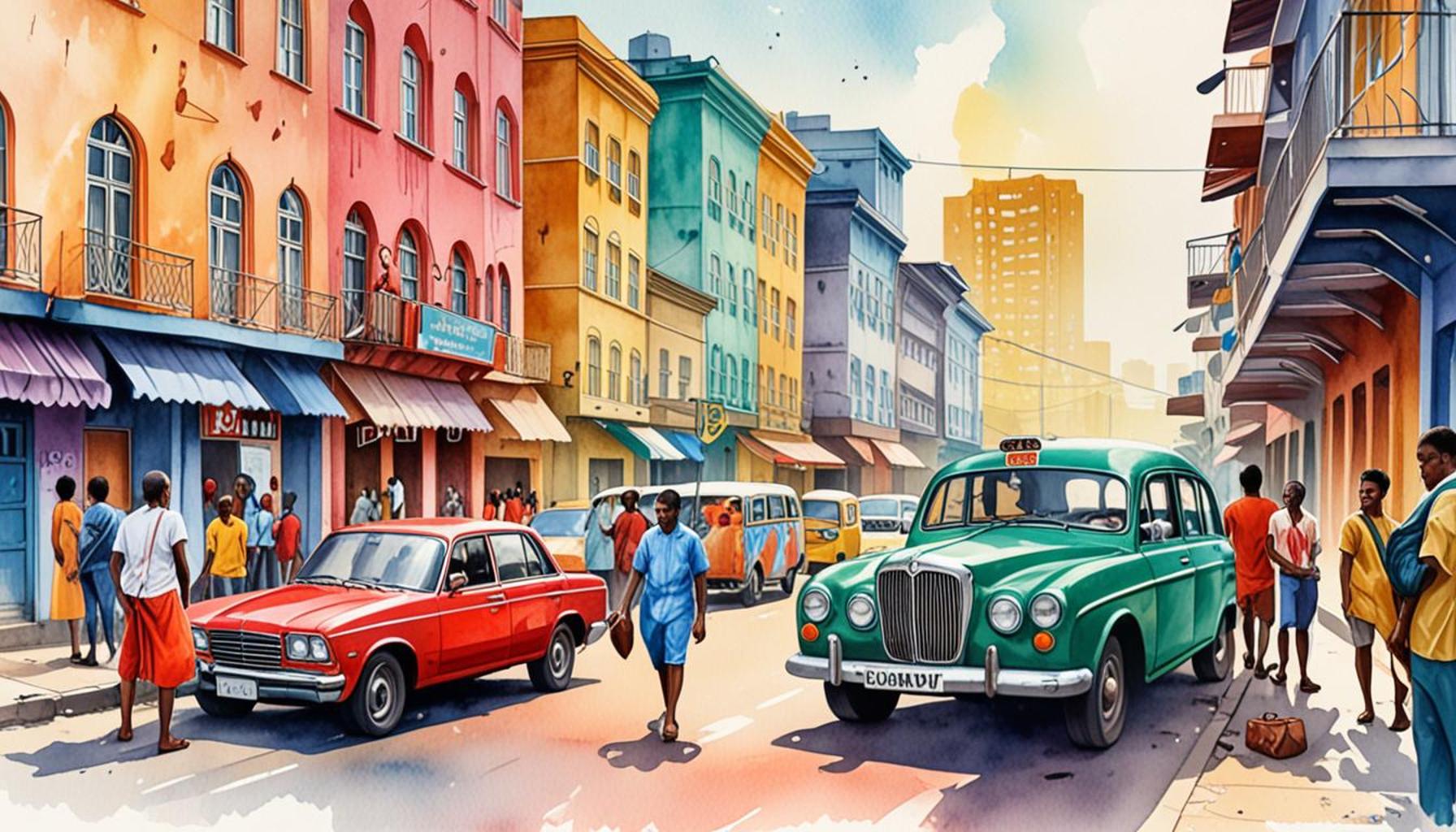
Nigerian cities pulsate with a vibrant energy that seamlessly melds tradition and modernity. Within this dynamic environment, urban art has emerged as a powerful form of expression, reflecting local culture, social issues, and individual creativity. From the bustling streets of Lagos to the serene corners of Enugu, this artistic movement tells stories that demand to be heard.
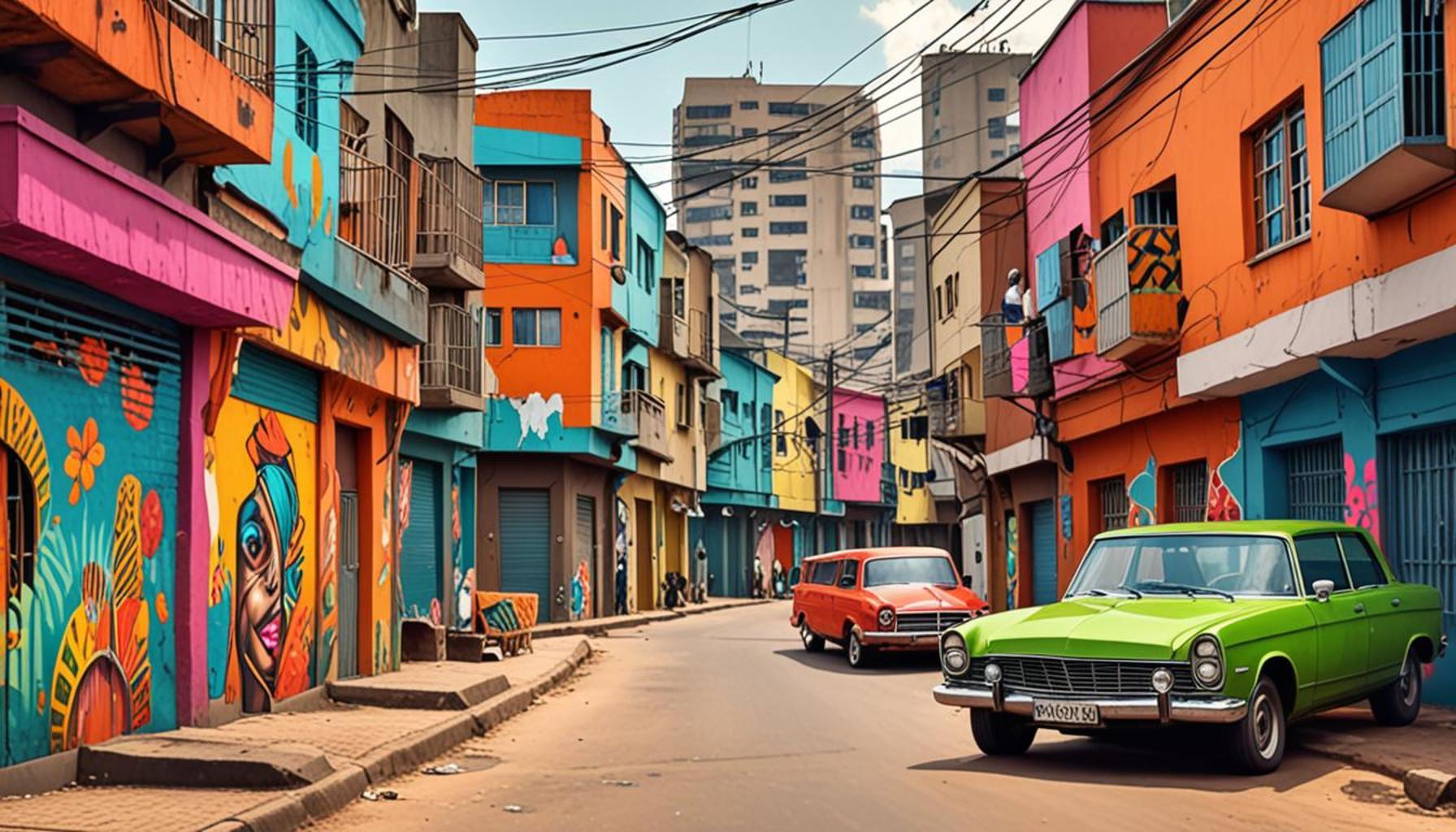
Urban art in Nigeria encompasses a variety of styles and forms, each with its unique significance and impact on community engagement. For instance, mural painting involves creating large-scale artworks that adorn buildings, often conveying messages about community and identity. Prominent murals can be found in areas like the Lekki Phase 1, where artists such as Jungle Beats have transformed the mundane facades into vibrant narratives that celebrate local heritage and promote positive social messages.
Graffiti serves as another form of urban art, characterized by spontaneous expressions that turn ordinary walls into canvases of personal and political statements. The works of graffiti artists like Hushpuppy and Banky W tackle pressing issues, from corruption to youth empowerment. Their bold, often provocative, messages resonate with the public’s sentiments, stimulating discussions around social change and accountability.
Furthermore, street performances combine art with activism, engaging passersby in thought-provoking ways. These performances, which often incorporate music, dance, and dramatic storytelling, not only entertain but also educate the audience on critical social issues, ranging from gender equality to environmental sustainability. For example, during the annual Vanguard Theatre Festival, artists showcase compelling performances that address these very themes.
These art forms are not only visually striking but also serve as crucial components of the urban narrative. They engage with themes such as the impact of urbanization on culture, social justice and activism, and the celebration of identity and diversity. The vibrant art scene is a testament to the resilience and creativity of Nigerian artists, who use their craft as a form of resistance and dialogue.
Through urban art scripts, Nigerian artists challenge perceptions and invite audiences to delve deeper into their environments. As we explore this creative landscape, we uncover the stories of individuals who transform public spaces into dialogues of hope and resilience. By engaging with urban art, viewers can explore the layers of social dynamics, creativity, and community pride that characterize Nigeria’s cultural fabric.
This thriving artistic movement not only beautifies the urban landscape but also contributes significantly to the socio-economic fabric of Nigerian cities, fostering a sense of belonging and collective identity among residents. As more artists emerge and the public’s appreciation for this form of art grows, urban art in Nigeria is set to continue evolving, reflecting the complex narratives and aspirations of its people.
CHECK OUT: Click here to explore more
Unveiling the Diversity of Urban Art Forms
The artistic landscape of Nigeria is as diverse as its rich culture and history. Urban art serves as a vibrant reflection of this diversity, manifesting in a multitude of forms that speak to the heart of Nigerian society. Artists across the country are not only producing striking visuals but are also engaging with powerful themes that resonate deeply within their communities. Urban art scripts are the stories woven through murals, graffiti, and performance art, each contributing to the rich tapestry of Nigeria’s creative expression.
Mural art is prevalent in many Nigerian cities, transforming blank walls into canvases that communicate the collective heartbeat of communities. In Ibadan, for instance, walls come alive with the colorful depictions of historical figures and cultural symbols that promote local pride. These murals often depict significant narratives about the town’s history, cultural festivals, and the struggles of its people, connecting residents with their heritage. Artists like Color Blind have made it their mission to beautify public spaces, using their talent to encourage dialogue and unity among diverse populations.
Graffiti, on the other hand, thrives in urban landscapes like Lagos, where street corners often turn into protest spaces. The works of graffiti artists, such as Chinonso, are reflective of contemporary societal challenges. Their dynamic styles push the boundaries of traditional art, while their messages provoke thought around pressing issues including youth unemployment, corruption, and the need for governance reforms. Through this conscious use of public space, graffiti captures the unfiltered sentiments of the youth, providing a voice to those who feel unheard in their daily lives.
Moreover, street performances bring a kinetic energy to urban areas, blending various art forms into an encompassing narrative of social commentary. The energetic performances seen at local festivals or community gatherings often weave together elements of music, dance, and spoken word. During the exciting Vanguard Theatre Festival, artists harness the power of performance to raise awareness on critical social themes. These events not only entertain but also serve as educational platforms, sparking conversations about issues such as women’s rights and climate change.
- Mural Art – Captures community heritage using large-scale visuals.
- Graffiti – Provides a platform for raw, honest social commentary.
- Street Performances – Engages the audience through music, dance, and activism.
As we observe the evolution of urban art in Nigeria, it becomes increasingly clear that these artists are not just painters or performers; they are also storytellers and activists. Utilizing their talents, they are shaping urban narratives that reflect the complexities of Nigerian society. Whether through the breathtaking beauty of a mural or the striking simplicity of a graffiti piece, urban art scripts are powerful tools for transformation and reflection, inviting everyone to explore the creativity thriving in Nigeria’s cities.
| Category | Description |
|---|---|
| Local Inspiration | Nigerian urban art reflects local culture, traditions, and the unique story of each city, creating a dynamic dialogue with its community. |
| Social Commentary | Much of the urban art serves as a powerful medium of expression, addressing social issues and inspiring change within the community. |
| Cultural Exchange | Urban art fosters cross-cultural interactions, drawing tourists and art enthusiasts to experience Nigeria’s rich heritage and creativity firsthand. |
| Economic Growth | By promoting local artists and urban art spaces, cities can enhance tourism and local business, leading to a vibrant economic ecosystem. |
As cities in Nigeria embrace urban art scripts, a fusion of creativity and cultural significance emerges. These vibrant murals, intricate graffiti, and captivating installations not only beautify urban spaces but also serve as a reflection of the diverse stories that compose Nigerian identity. Initiatives supporting local artists facilitate a thriving landscape where art becomes an integral part of community life, encouraging creativity and innovation in the youth. The influence of urban art resonates beyond aesthetics, stimulating discussions about social issues, identity, and heritage. As we delve deeper into the role of urban art in shaping the contemporary Nigerian landscape, it becomes evident that this creative movement is more than mere decoration; it embodies a spirit of resilience and a clarion call for transformation. Each stroke of paint and each mural tells narratives of struggle, strength, and hope, inviting all to engage and contribute to this evolving dialogue.
RECOMMENDED: Check out this similar article
The Impact of Digital Media on Urban Art
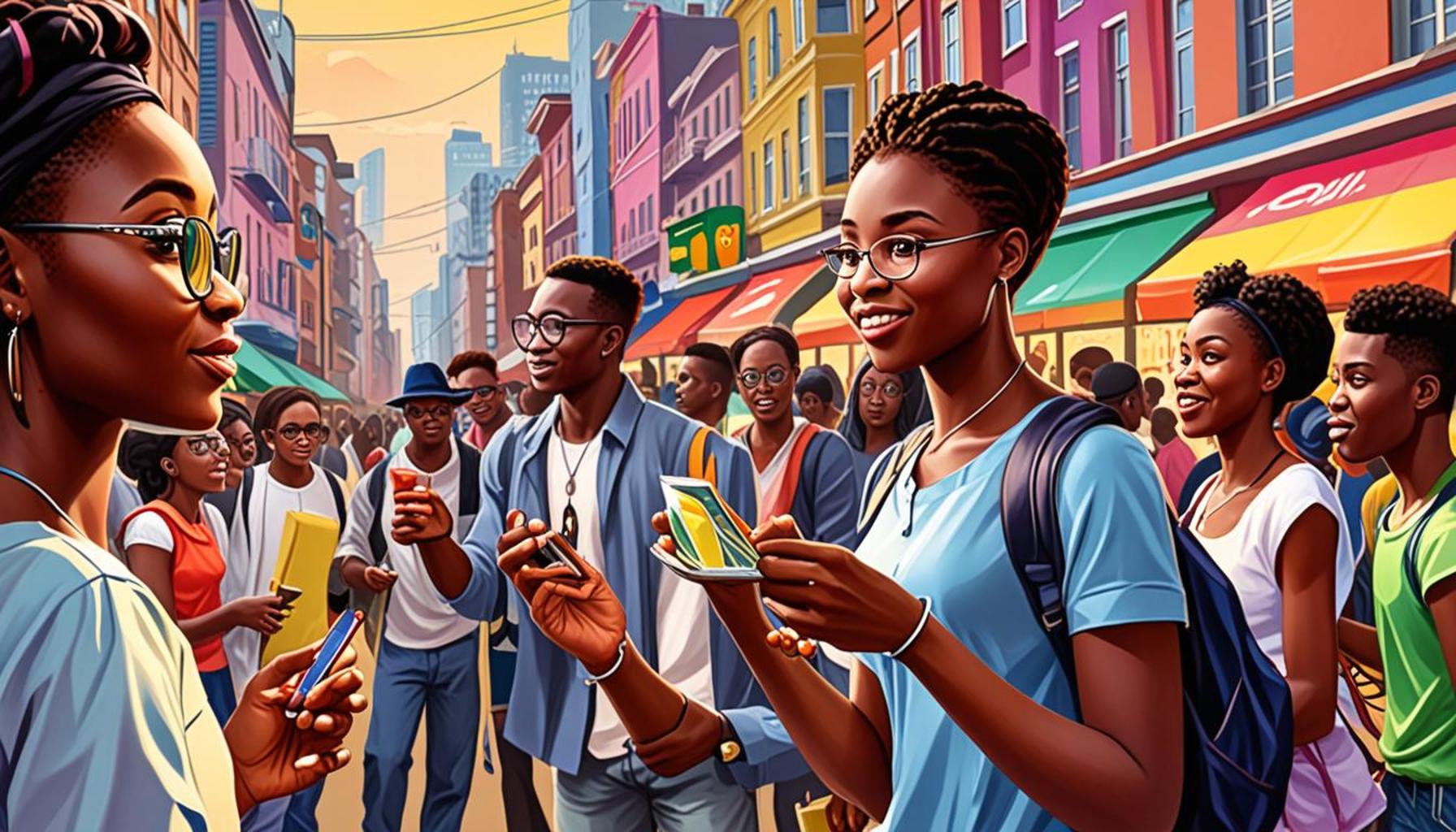
As urban environments continue to embrace technology, the intersection of digital media and urban art in Nigerian cities is becoming increasingly significant. Social media platforms have emerged as vital tools for artists, enabling them to share their work with wider audiences and engage in conversations that extend beyond their local communities. Platforms like Instagram and Twitter are particularly influential, allowing artists to showcase their creativity while simultaneously promoting social awareness. This digital landscape serves as a launching pad for innovative collaborations among artists, amplifying their reach and fostering a sense of community.
One exemplary initiative is the Art in Transit project, which harnesses social media to encourage public participation in urban art dialogues. Through interactive sessions on platforms like Instagram Live, artists can share their creative processes, engage followers in discussions about the role of art in society, and even host virtual exhibitions and art challenges. This democratization of art increases accessibility, making it easier for aspiring artists to connect with established figures in the industry and gain exposure for their work.
Moreover, the rise of urban digital art is redefining the ways in which art is perceived in Nigerian cities. Artists are using technology in innovative ways—creating digital murals, developing augmented reality installations, and producing video art that documents the urban experience. In Port Harcourt, the use of projection mapping during cultural festivals brings stunning visuals to life, casting vibrant images on historical landmarks and ensconcing viewers in an immersive urban art experience. Such projects not only captivate audiences but also stimulate conversations around urban identity and heritage.
The Role of Community in Urban Art Scripts
Beyond individual expression, the sense of community plays a pivotal role in shaping urban art narratives across Nigeria. Collaborative murals, where multiple artists work together, highlight the significance of teamwork in the creative process. These projects often reflect the aspirations and challenges of local neighborhoods, instilling a sense of pride among residents. In Benin City, the “Benin Mural Project” showcases collaborations among local artists, crafting murals that preserve folklore and historical tales, effectively bridging the gap between art and storytelling.
Schools and educational institutions are also awakening to the potential of urban art as a teaching tool. Programs aimed at youth, such as community art workshops and mural initiatives, provide aspiring young artists with practical skills while fostering self-expression. Initiatives like the Artify Nigerian Schools project encourage students to create art that speaks about their environment, effectively integrating education with cultural empowerment.
The role of community leaders and stakeholders is critical, as they often provide the necessary support and resources to facilitate urban art projects. Local governments recognizing the potential benefits of beautifying cities through art are increasingly providing funding or permits for large-scale art installations, effectively creating a synergy that nurtures creativity and fosters economic growth. This growing recognition of urban art as a vital component of the urban landscape ensures that creativity continues to thrive in Nigerian cities.
- Digital Media – Expands reach and facilitates engagement through platforms like Instagram.
- Collaborative Murals – Showcase community efforts and cultural knowledge.
- Education Integration – Art as a tool for self-expression in schools.
As urban art continues to evolve within the vibrant cities of Nigeria, the interplay between technology, community engagement, and artistic collaboration becomes an integral part of the narrative. This ongoing transformation not only highlights the dynamism of Nigeria’s artistic scene but also ensures that urban art scripts remain a powerful medium for expression and connection amidst the complexities of urban life.
YOU MAY ALSO LIKE: Read read another article
Conclusion: Embracing Urban Art as a Catalyst for Change
In the vibrant tapestry of Nigerian cities, urban art scripts are redefining the landscape, infusing it with creativity and cultural diversity. The dynamic interaction between artists, communities, and digital media is not just revitalizing urban spaces; it is also fostering a profound sense of identity and belonging among residents. As we have explored, platforms like Instagram and Twitter have become pivotal in this artistic revolution, allowing artists to connect with larger audiences and engage in meaningful dialogues about social issues.
The collaborative efforts seen in projects such as the Benin Mural Project illustrate the power of community in shaping a shared narrative that reflects local heritage and aspirations. Furthermore, educational initiatives, like Artify Nigerian Schools, demonstrate how urban art can serve as a vital educational tool, nurturing the next generation of creative thinkers and builders of cultural narratives.
As local governments increasingly recognize the potential of urban art as a vehicle for attracting tourism and enhancing civic pride, the synergy between art and city planning can lead to more vibrant, engaging urban environments. It is crucial for stakeholders to continue supporting these initiatives, ensuring that the voices of local artists are amplified and cherished.
Ultimately, the art that emerges from the streets of Nigeria’s cities is not merely decoration; it is a form of storytelling that encapsulates the spirit of its people. As we look to the future, embracing urban art scripts will undoubtedly play a significant role in shaping the culture, identity, and social dialogue of Nigeria, inviting all to discover the richness of creativity that thrives in these urban landscapes.