
Vertical Gardening: Making the Most of Small Spaces with Creativity
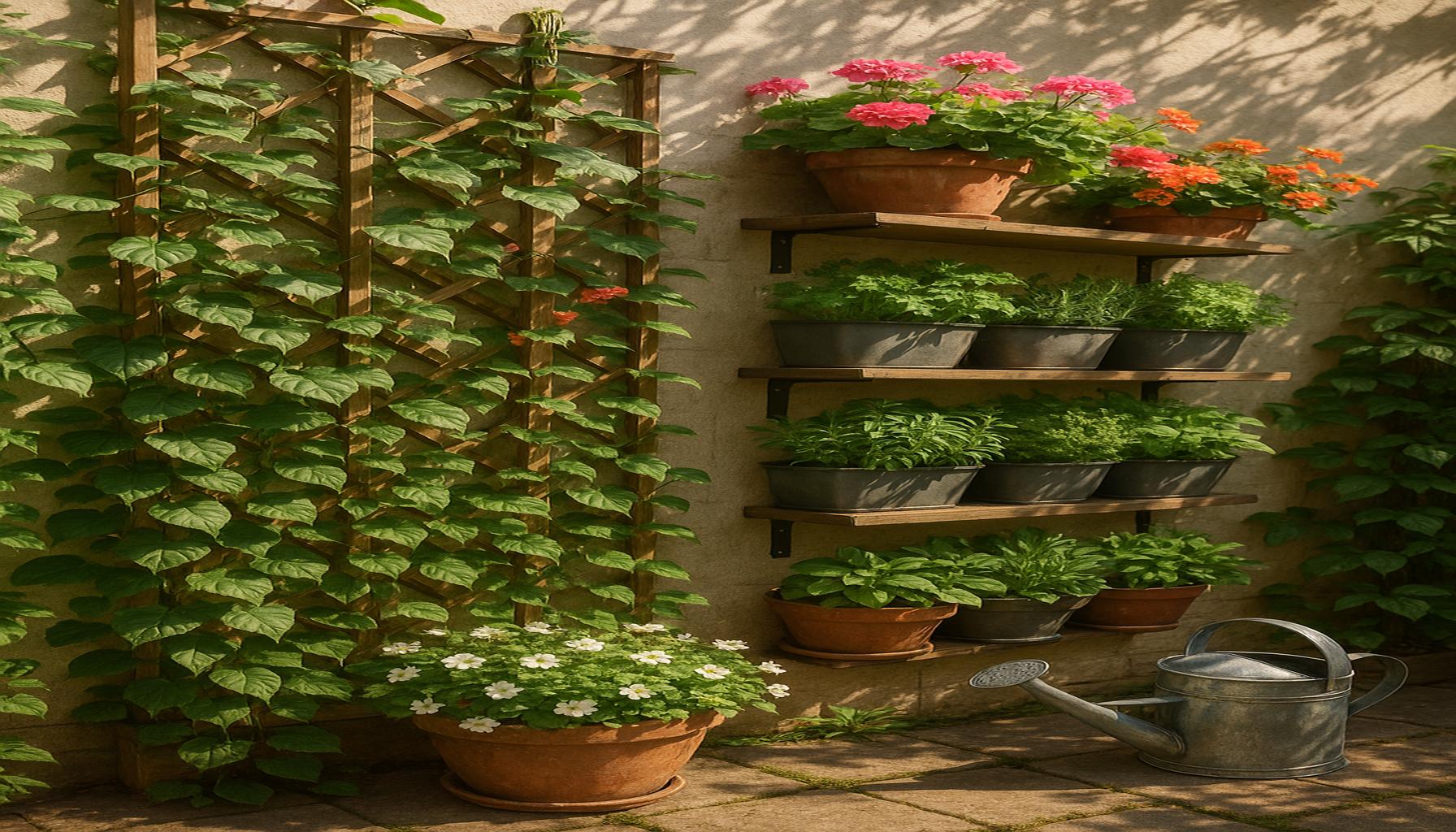
Unlocking Potential in Small Spaces
As urban living spaces become increasingly compact, the concept of vertical gardening has emerged as a transformative solution for those looking to nurture their gardening ambitions without the luxury of expansive outdoor areas. This innovative method enables garden enthusiasts to cultivate various plants in an upward orientation, maximizing limited square footage while infusing creativity and greenery into their homes, balconies, or even small patios.
With vertical gardening, you’re not merely growing vegetables and flowers; you’re enhancing the overall quality of your living environment. The benefits of this gardening technique are multifaceted and compelling:
- Space Efficiency: By utilizing walls, fences, and railings, vertical gardening allows you to use otherwise wasted space. For instance, a vertical planter can turn a blank wall into a lush herb garden, making it an excellent choice for apartments or homes with limited outdoor areas.
- Air Quality Improvement: Houseplants can play a vital role in purifying indoor air. Certain plants, such as spider plants and peace lilies, are particularly effective at filtering toxins, helping to create a healthier home environment, which is especially important in the densely populated urban areas of the United States.
- Visual Appeal: A vibrant green wall can become a striking focal point in your living space. Creative designs can turn mundane walls into vibrant works of art; think cascading flowers or herbs spilling over the edges of beautifully arranged planters.
Beyond the aesthetic and practical advantages, there are numerous creative options to explore in the realm of vertical gardening. From utilizing repurposed materials to selecting the right plants for your specific space, your imagination is truly the only limit. Commonly favored plants for vertical gardens include:
- Herbs: Compact choices like basil, cilantro, and mint can thrive in small pots and are perfect for culinary enthusiasts. Imagine a fresh pesto made from home-grown basil picked right from your kitchen wall!
- Succulents: Easy to care for and visually pleasing, succulents are ideal for beginners and require minimal watering. Popular varieties such as jade plants and hens-and-chicks can be arranged in stunning configurations.
- Climbers: Vines such as peas, beans, or even cherry tomatoes can create a vertical tapestry that not only maximizes your vertical space but also provides fresh produce right at your fingertips.
Additionally, as you delve deeper into the world of vertical gardening, you will discover various techniques and insights that can help you transform even the tiniest space into a vibrant green haven. From hydroponic wall systems to simple pocket gardens made from recycled materials, the possibilities are vast. Strategies for caring for these plants may also include drip irrigation systems that make watering easier and more efficient, especially important for those with busy lifestyles.
Vertical gardening is not just a trend; it’s a sustainable way to personalize your living space, improve air quality, and contribute positively to urban greenery. As we continue to explore this innovative gardening revolution, you’ll find that making the most of your urban gardening adventures can significantly enrich your daily life. So roll up your sleeves and start creating your very own vertical Eden!
DISCOVER: Click here to uncover how music drives change
Getting Started with Vertical Gardening
Embracing the concept of vertical gardening is not only a creative approach to beautifying your living space, but it also opens up the door to numerous gardening possibilities that traditional garden plots simply cannot offer. For those looking to get started, understanding the essentials is crucial, as it can significantly impact your gardening journey.
Choosing the Right Structure
Vertical gardens can take many forms, depending on your space and preferences. Common structures include:
- Wall Planters: These can be purchased or easily made using wooden pallets, plastic containers, or repurposed crates. They are perfect for attaching to walls and turning any vertical surface into a luscious garden.
- Grid Systems: Metal grids or trellises can support climbing plants. Ample options are available at home improvement stores, often designed specifically for home gardens.
- Hanging Planters: These are easily hung from ceilings or railings. Macramé hangers, for example, can provide an artistic element while allowing plants to thrive in a suspended state.
When selecting a structure, it’s essential to consider both the aesthetics and practicality; you want a design that complements your space while also serving the needs of the plants.
Plant Selection and Placement
Once you have determined the structural framework for your vertical garden, the next step is plant selection. Not all plants are suitable for vertical gardening; therefore, it’s important to choose varieties that thrive in limited soil and can handle the upward growth. Here are some advantageous options:
- Herbs: As previously mentioned, herbs such as parsley, oregano, and rosemary are not only flavorful additions to your meals but also relatively easy to grow vertically, making them perfect for limited spaces.
- Flowers: Colorful varieties like nasturtiums and petunias add beauty and vibrancy, providing visual appeal alongside an aromatic experience.
- Foliage Plants: Ferns and pothos are excellent for creating depth and texture, helping to soften harsh angles in compact urban environments.
When planning the placement of your plants, consider factors such as light availability, growth habits, and watering needs. For instance, sun-loving plants should be placed where they can receive ample sunlight, while shade-tolerant species can fill in darker areas of your garden. Mixing different types of plants can also enhance the visual interest while creating a more sustainable ecosystem.
Watering and Maintenance Considerations
One of the key advantages of vertical gardening is its accessibility, allowing for easier maintenance without the need for bending or kneeling. However, proper watering strategies are essential to ensure your plants thrive. Vertical gardens may require more frequent watering than traditional gardens due to increased exposure to sunlight and wind, especially in a residential setting.
Consider investing in a drip irrigation system or self-watering planters that can help simplify the care process. These options allow water to reach the roots efficiently, ensuring healthy plants with minimal effort.
By taking the time to understand the foundational components of vertical gardening, you can cultivate a flourishing garden in even the smallest of spaces, leading to a more green and inviting home. So, grab your tools and let your creativity flow as you embark on this rewarding journey!
| Advantages | Creative Solutions |
|---|---|
| Space Efficiency | Utilize vertical space in confined areas like balconies or small yards. |
| Enhanced Aesthetics | Transforms walls and fences into vibrant green spaces, bringing life to urban environments. |
| Productivity | Allows for growing herbs, vegetables, and flowers in limited areas, promoting self-sustainability. |
| Air Quality Improvement | Plants purify the air and can reduce noise pollution in dense living situations. |
Vertical gardening opens up a world of possibilities for those living in compact spaces, allowing creativity to flourish in unexpected ways. Using vertical planters, hanging pots, and even wall-mounted systems, enthusiasts can create breathtaking displays that are both functional and visually appealing. This method promotes an intimate connection with nature, even in urban environments, offering not only a gardening hobby but also a personal sanctuary that enhances mental well-being. By implementing innovative solutions, such as utilizing recycled materials for planters or incorporating self-watering systems, anyone can embark on their vertical gardening journey regardless of skill level or available space. Edible plants like strawberries and herbs thrive in this setting, making culinary use of limited space while also improving air quality.
DIVE DEEPER: Click here to expand your writing horizons
Enhancing Your Vertical Garden with Accessories
Now that you have the basics in place, enhancing your vertical garden with the right accessories can elevate its functionality and aesthetics. Accessories not only provide added utility but can also amplify the visual appeal of your garden, turning it into a striking focal point in your home.
Using Lighting to Your Advantage
Lighting is a crucial element in any garden. For vertical gardens, especially those indoors or in shaded areas, the right artificial lighting can support plant growth and create a vibrant atmosphere. LED grow lights are an excellent option, providing the necessary spectrum of light while being energy-efficient. These lights can be tailored to mimic natural sunlight and offer flexibility in placement, ensuring that every plant gets its share of light regardless of their position.
For outdoors, consider incorporating solar-powered string lights or lanterns, which can bring warmth to your garden space during the evenings. Not only do they serve a functional purpose, but they also enhance the overall ambient experience.
Creating a Micro-Climate
Vertical gardening allows you to create a micro-climate that can benefit your plants. By grouping plants with similar moisture and light requirements together, you can help create an environment that maximizes growth potential. Techniques such as using mesh shades or decorative screens can protect your vertical garden from the harsh afternoon sun while reducing water evaporation, maintaining a cooler and more humid atmosphere for your plants.
Incorporating Decorative Elements
To truly personalize your vertical garden, consider incorporating decorative elements such as trellises, planters with unique designs, or artistic plant stands. The use of colorful ceramic pots, handcrafted macramé hangers, or rustic wooden crates can add layers of texture and color to your vertical setup.
Moreover, personal touches like garden sculptures or vertical garden art can add character and a unique flair to your space, making it not just a gardening project but also a canvas for your creativity. Transforming your garden into a work of art encourages community interaction and even invites curious neighbors to admire your ingenuity.
Considerations for Seasonal Changes
As the seasons change, so should your approach to maintaining your vertical garden. A key consideration is understanding which plants are seasonal and how they will behave in different temperatures. For instance, in colder months, it might be beneficial to use removable wall planters that could be brought indoors or relocated to a sheltered area.
Additionally, mulching around the base of plants helps retain moisture and protect the roots during temperature fluctuations. Seasonal transitions also provide an opportunity to refresh your garden layout, allowing for rotation of crops or introducing new, seasonal varieties for continuous visual stimulation and productivity.
Sharing the Experience
Finally, vertical gardening is not just about personal enjoyment; consider sharing your enthusiasm with others. By hosting workshops, sharing your successes and challenges on social media, or even exchanging cuttings with fellow gardeners, you foster a sense of community and inspire others to embrace creative gardening solutions. Connecting with local gardening clubs can also open the door to collaborative projects that can be both rewarding and enjoyable.
As you delve deeper into the vertical gardening experience, remember that every step offers opportunities for growth—both for your plants and your knowledge. By engaging in thoughtful practices, utilizing accessories wisely, and fostering community, your vertical garden can truly become a vibrant sanctuary, enriching your small space with nature’s beauty.
DIVE DEEPER: Click here to discover the impact of music on self-expression
Conclusion
In a world where urban living often means limited space, vertical gardening emerges as a revolutionary solution that combines ingenuity with a love for nature. Whether you are maximizing a small balcony, revitalizing a dull wall, or merely looking to infuse your living space with greenery, vertical gardens offer a platform for creativity, sustainability, and beauty. The options for enhancing your vertical garden—from strategic lighting and micro-climate creation to incorporating decorative elements—transform not just how we garden, but how we interact with our environments.
Importantly, vertical gardening fosters a deeper connection to nature, encouraging mindfulness and engagement with the world around us. As you explore different plant varieties and innovative gardening techniques, you are not only enriching your own life, but also contributing to a broader movement of environmental awareness and community sharing. Embrace the seasonal adaptability of your garden by rotating plant types, and take the opportunity to engage with others through workshops or social media. These connections can provide a wealth of knowledge and inspiration, further enhancing your gardening journey.
Ultimately, vertical gardening is more than just an aesthetic choice; it is a testament to our capacity for creative solutions in the face of spatial limitations. By harnessing the power of vertical spaces thoughtfully, you can create an ever-evolving living tapestry that invites admiration and cultivates appreciation for the green wonders around us. Dive into this gratifying hobby, let your creativity flow, and watch how your small space blossoms into a vibrant refuge.