Writing and Self-Knowledge: Projects that Explore Identity Through the Written Word

The Transformative Impact of Writing on Self-Discovery
In today’s fast-paced world, understanding oneself has become increasingly complex. The quest for self-awareness often leads individuals to explore various avenues of expression, with writing standing out as a particularly powerful tool in this journey of self-discovery. Writing offers a unique pathway for individuals to delve into the depths of their inner lives, revealing layers of identity that might otherwise remain unexamined. Whether it’s in the form of personal journals, creative nonfiction, or structured classes, the act of putting pen to paper can illuminate aspects of identity and experience that often go unnoticed.
Various projects and initiatives are emerging, dedicated to enhancing this exploration of identity through writing. Some notable examples include:
- Journaling workshops that encourage personal reflection and emotional expression. These workshops often provide prompts and guided activities that help participants explore their thoughts and feelings. For instance, a workshop may prompt attendees to write about their childhood memories, which can lead to startling revelations about how those experiences shape their present identities.
- Memoir classes that assist individuals in articulating their unique life stories and experiences. Such classes often emphasize the importance of narrative structure and voice, enabling writers to weave together their personal histories into compelling narratives. An example includes community centers or universities offering classes where participants learn to frame their personal experiences in a broader societal context, enhancing the relevance of their stories.
- Online platforms where writers share insights on identity and personal growth. Platforms such as Medium or blogs dedicated to specific themes provide spaces for individuals to connect through shared experiences. Writers often find community and support, which can further enrich their understanding of their own identities as they engage with others’ narratives.
These ventures not only provide a safe space for vulnerable storytelling but also highlight the power of narrative in forging connections. They invite participants to consider profound questions about their identities:
- Who am I beyond societal labels?
- How do my experiences shape my view of the world?
- In what ways can writing foster cultural understanding?
As we explore the relationship between writing and self-knowledge, this article will unpack these projects and highlight how they contribute to a deeper understanding of identity. Numerous studies emphasize that storytelling can cultivate empathy and understanding among diverse groups, making the practice not only a personal endeavor but also a communal one.
Join us on this enlightening journey as we discover the transformative power of words. Through writing, individuals can not only unveil their own identities but also carve a path toward healing and connection with others. In a world that often feels divided, the written word acts as a bridge, inviting diverse voices to share their narratives and fostering a rich tapestry of shared human experience.

EXPLORE MORE: Click here to discover the impact of social media on creativity</p
Unlocking Identity Through Writing Initiatives
As individuals embark on the journey of self-exploration, writing projects serve as valuable vehicles for uncovering and articulating the complexities of identity. These initiatives not only provide a canvas for personal reflection but also foster connection and dialogue among participants. By examining various forms of writing, we can see how these projects empower individuals to engage in profound introspection and articulate their unique experiences.
One of the most effective ways individuals can confront their identities is through creative writing workshops. These workshops often cater to a diverse audience, allowing participants to explore themes such as cultural heritage, gender identity, and personal tribulations. Through guided exercises and collaborative feedback, attendees can express their thoughts and feelings in ways that reveal their authentic selves. For instance, a workshop focusing on family traditions may prompt participants to reflect on their upbringing, leading to greater awareness of how background influences their present values and beliefs.
Another powerful avenue for understanding identity is through guided autobiographical writing projects. These structured courses often encourage individuals to focus on various life stages or pivotal moments that have shaped their identities. Participants learn how to weave together their life stories, highlighting key experiences that define who they are today. An example is the popular “Life Stories” initiative that provides resources and prompts, enabling participants to chronicle significant events. The process encourages introspection and helps individuals appreciate their paths, often resulting in enlightening realizations about identity development.
The rise of digital platforms also plays a crucial role in expanding the reach of writing projects aimed at self-knowledge. Websites like Wattpad and Penzu create spaces where individuals can share their writings, fostering a community of storytellers and introspective thinkers. On these platforms, people connect by exchanging ideas regarding identity and personal experiences, offering both inspiration and validation. For many, sharing their narratives online not only enhances their writing skills but also provides a global audience for their voices, contributing to a sense of belonging and acceptance.
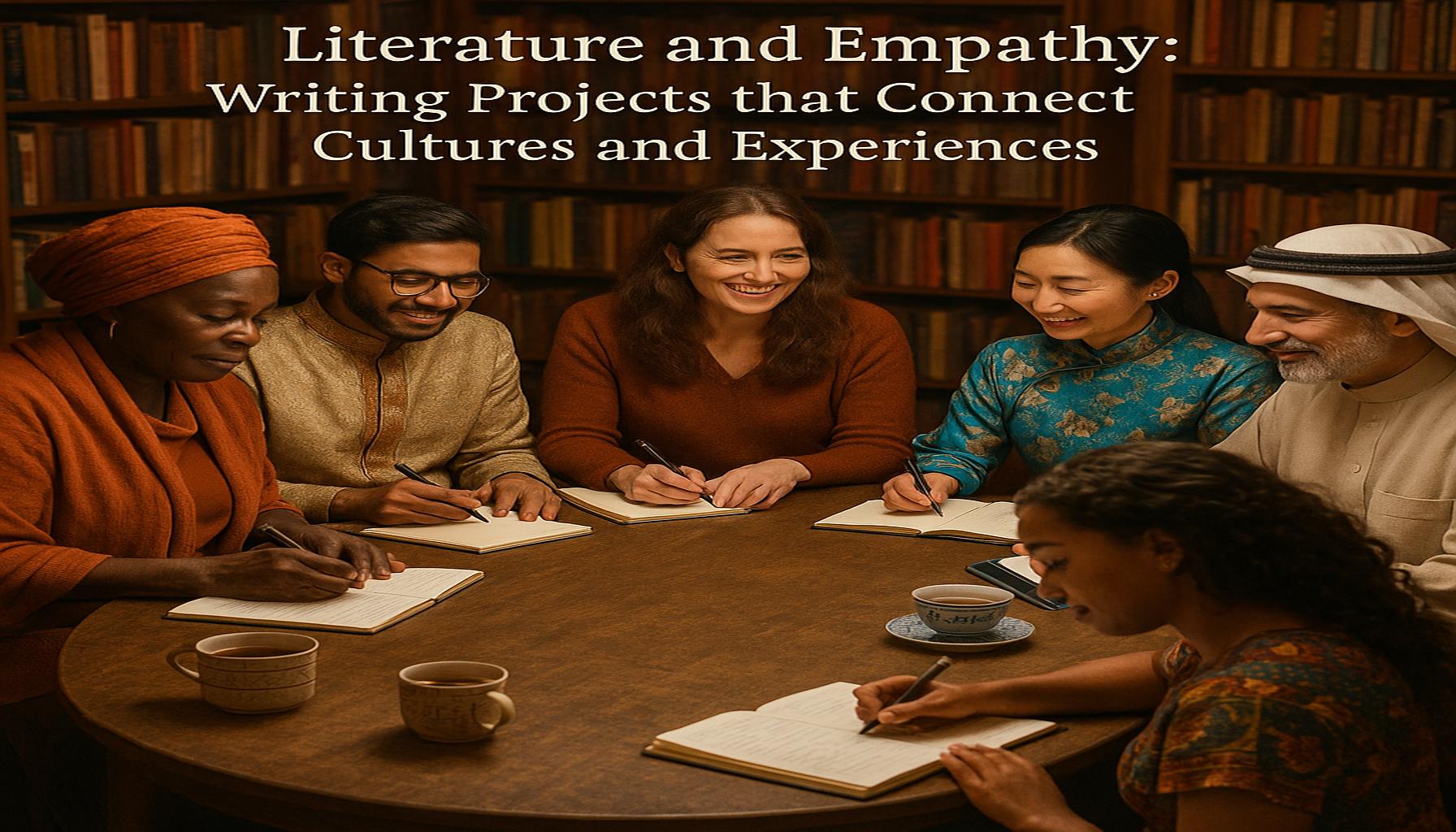
In addition to the introspective benefits of these writing projects, they often cultivate a spirit of community engagement. Participants are encouraged to share their stories and insights, creating a network of support and understanding among diverse groups of people. This communal aspect is essential, as exploring identity can be a daunting endeavor; knowing others are on similar journeys can instill courage and motivation. Through discussions and feedback, writers learn the importance of empathy, bridging gaps between varied life experiences and cultural backgrounds.
In this light, writing not only serves as a personal journey but also acts as a profound vehicle for collective understanding. The exploration of identity through the written word can influence not only the writer’s self-perception but also contribute to a larger narrative about societal dynamics and human experience. By engaging in writing projects, individuals take crucial steps toward self-awareness and contribute to a rich tapestry of shared stories that ultimately connect us all.
| Category | Details |
|---|---|
| Personal Reflection | Projects encourage deeper exploration of self-identity through written narratives. |
| Therapeutic Writing | Writing serves as a therapeutic tool, promoting mental health awareness and self-discovery. |
| Community Building | Projects foster connections among individuals through shared experiences in writing. |
| Cultural Insight | Exploration of cultural identity through the lens of personal stories enhances community understanding. |
Projects centered around written word offer a unique platform for embracing personal stories and experiences. They invite individuals to delve into their past and contextualize their identities within broader societal frameworks. Through processes like therapeutic writing and personal reflection, these initiatives not only promote an enriching journey of self-exploration but also encourage dialogue on important issues of identity, mental health, and community bonds. In essence, writing becomes an instrument for personal growth and a means to highlight the intricate tapestry of communal experiences, serving as an essential tool for fostering understanding and empathy. Each shared narrative contributes to the collective voice, creating opportunities for cultural introspection and celebrating diversity.
DIVE DEEPER: Click here to discover how music shapes self-expression
Exploring Identity Through Diverse Writing Mediums
The power of writing to evoke self-discovery extends beyond just workshops and autobiographical tasks. Poetry slams and community poetry initiatives have emerged as dynamic platforms, inviting individuals to express their emotions and viewpoints in a format that is both succinct and impactful. Through performing their poems, writers not only convey personal narratives but also resonate with audiences on a deeper level. The public nature of these events can shed light on societal issues tied to identity, pushing individuals to confront their experiences in relation to broader cultural contexts. Renowned programs like “The Moth” emphasize storytelling, allowing speakers to weave narratives that illuminate unique aspects of their identities while connecting with listeners’ own experiences.
Additionally, blogging and personal essays have surged in popularity as means of exploring and dissecting one’s identity. Bloggers often engage in candid discussions about their lives, taking readers on journeys through experiences that shape their worldviews. Platforms such as Medium enable writers to publish essays that focus on identity politics, mental health, and lifestyle choices, contributing to a richer understanding of diverse backgrounds. This mode of writing fosters authenticity and often sparks conversations that challenge societal norms, empowering both the writer and their audience to confront preconceived notions.
Furthermore, there has been a notable rise in graphic memoirs, a unique blend of visual art and written narrative, which provides a different lens through which identity can be explored. Graphic memoirists like Marjane Satrapi and Alison Bechdel have utilized their art to illustrate complex themes of identity, such as cultural displacement and sexuality. This innovative format facilitates accessibility, allowing readers to engage with challenging narratives in a more digestible way. The interplay between visuals and text enhances storytelling, enabling deeper emotional connections and insights into the human experience.
Community-driven projects, such as story circles, also highlight the importance of collaboration in the exploration of identity. In these circles, participants share personal stories in a safe environment, allowing for mutual respect and understanding. Through listening and sharing, individuals gain insights not only into their own narratives but also into the diverse experiences of others. Such initiatives can often lead to the discovery of shared identities, fostering a sense of belonging and solidarity among varied groups.
Another significant aspect in the realm of identity exploration is the incorporation of interdisciplinary practices. Programs that merge writing with other art forms, such as theater or music, can create profound experiences for participants. For example, initiatives that integrate playwriting workshops allow individuals to explore their inner selves through character development and dialogue. This process challenges participants to confront their realities and perceptions, translating personal experiences into compelling narratives that can be performed and shared publicly.
The intersection of writing and technology also prompts new avenues for identity exploration. Social media platforms have become informal forums for identity expression, with hashtags like #OwnVoices amplifying narratives from marginalized communities. TikTok, for instance, presents an innovative space where storytelling can be both creative and educational, as users share personal experiences in short, engaging videos. This democratization of narrative fosters an immediacy and relatability that traditional publishing may lack, allowing individuals to connect authentically across physical and geographical boundaries.
DIVE DEEPER: Click here to uncover more insights
Conclusion
In a world marked by diverse experiences and perspectives, writing serves as an invaluable tool for self-exploration and understanding. Through various mediums, from poetry slams to graphic memoirs, individuals find their voices, confront their identities, and connect with broader societal narratives. The ability to express oneself through the written word not only aids in personal growth but also fosters empathy and solidarity among different communities.
The rise of digital platforms has further democratized identity exploration, as bloggers and social media users share their stories with unprecedented reach and immediacy. This shift allows for an ongoing dialogue that challenges societal norms and opens up conversations around identity politics, mental health, and cultural intersections. As writers engage in these modern platforms, they not only document their individual journeys but also contribute to a collective consciousness that reflects the complexity of the human experience.
Moreover, community projects and interdisciplinary practices enrich this exploration, providing safe spaces for individuals to share and listen. Methods such as story circles and playwriting workshops encapsulate the beauty of collaboration, allowing participants to delve into their narratives while appreciating the diverse tapestries of others’ experiences. Ultimately, the act of writing becomes a bridge to self-knowledge, prompting both reflection and action.
As we navigate the dynamic landscape of identity through the written word, it is essential to continue challenging our understanding of ourselves and others. These writing projects act as crucial instruments for both personal and communal exploration, inspiring us to embrace the complexity of our identities and to amplify the voices that deserve to be heard.