
Writing for the World: Writing Projects that Increase Global Awareness
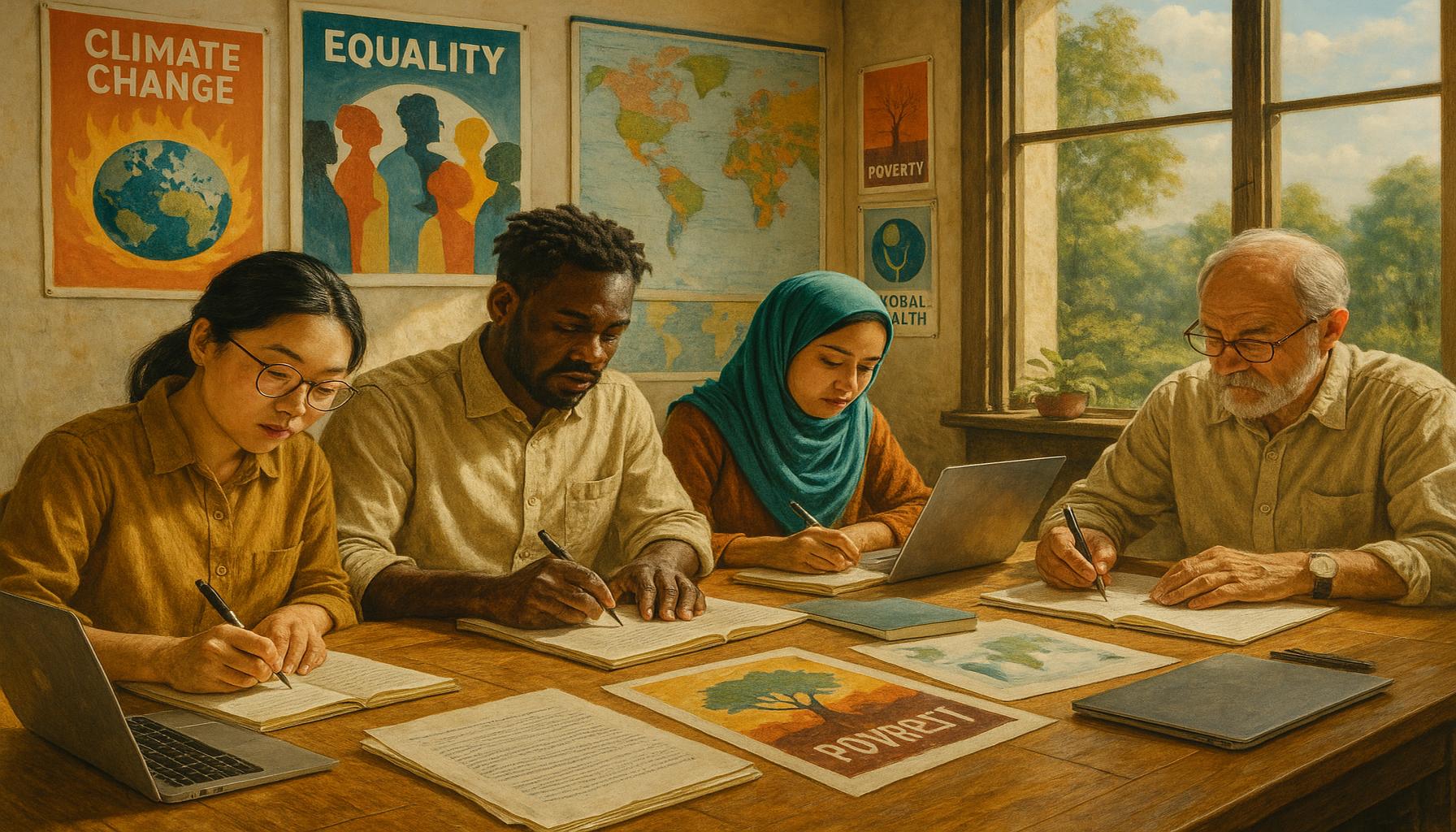
The Importance of Writing in a Global Context
In our current era, where information can be disseminated instantaneously, the written word has taken on unprecedented significance. It serves not just as a means of communication but as a catalyst for global awareness and understanding. Whether through social media, blogs, or traditional publications, writing can forge connections across diverse cultures, enabling voices from different backgrounds to share their stories and advocate for important causes.
One of the most impactful approaches to harnessing the power of writing is through blogging for change. Bloggers often share personal anecdotes and insights that resonate with readers facing similar challenges. A compelling example is the blog “Humans of New York,” which features portraits of individuals along with their personal stories. This format has the power to evoke empathy and challenge preconceived notions, encouraging readers to reflect on their own lives and the broader societal issues at play.
Another effective medium is the collaborative anthology. These collections of essays or stories by multiple authors can illuminate diverse cultural experiences and present a multitude of perspectives. For instance, anthologies such as “The Art of Protest” bring together narratives from various social movements, allowing readers to grasp the complexity of various struggles while fostering a deeper understanding of global issues. By showcasing different backgrounds and viewpoints, these works encourage readers to engage with ideas and experiences outside their own.
Moreover, nonfiction reporting plays a crucial role in educating the public about pressing global challenges. Investigative journalism, exemplified by outlets like ProPublica and The Guardian, delves into topics such as systemic inequality, climate change, and human rights violations. These rigorous examinations not only inform but also serve to hold those in power accountable, making them essential in fostering a well-informed citizenry. By bringing often-overlooked issues to light, investigative reports can spark critical discussions and inspire action.
These writing initiatives contribute profoundly to creating informed communities. When readers engage with thought-provoking content, they become aware of pressing global issues that extend beyond their local context. Furthermore, such exposure cultivates empathy development; understanding the experiences of others fosters connections that transcend cultural barriers. Most importantly, powerful writing can act as a call to action, mobilizing readers to partake in meaningful change. Campaigns such as #MeToo and #BlackLivesMatter illustrate how words can galvanize collective action, urging individuals to speak out and advocate for justice.

As writers navigate their creative pathways, it becomes essential to delve into themes that affect humanity on a broader scale. By examining successful writing projects that champion global causes, this article underscores the potential of writing as a tool for positive change. Through thoughtfully crafted narratives, writers can inspire a sense of solidarity among readers, promoting an awareness that is essential in today’s interconnected world.
DISCOVER MORE: Click here to dive deeper
Harnessing the Power of Storytelling for Global Change
Storytelling has long been recognized as a powerful means of communication, but in the context of global awareness, its potential is magnified. Writers today have a vital opportunity to craft narratives that not only entertain but also educate and inspire action among a diverse audience. Effective storytelling can bridge geographical divides and foster an understanding of issues that affect communities worldwide.
One promising initiative that highlights this concept is literary activism. This movement encourages writers to use their platforms to address social issues and promote justice. By harnessing their creativity, authors can draw attention to subjects such as climate change, poverty, and systemic racism, amplifying voices that are often marginalized. For example, the participation of writers in campaigns like NaNoWriMo (National Novel Writing Month) has led to numerous novels that tackle pressing global themes, enriching readers’ perspectives and prompting them to take a more involved stance on these important matters.
Moreover, the impact of creative nonfiction cannot be overlooked. This genre blends factual reporting with narrative techniques, allowing readers to engage with real-world issues deeply. Works such as “The Immortal Life of Henrietta Lacks” by Rebecca Skloot illustrate how personal stories can illuminate broader societal issues like medical ethics and racial inequality. These narratives create intimate connections between readers and subjects, enhancing empathy and understanding that might otherwise be distant. The effectiveness of creative nonfiction lies in its ability to humanize statistics and present complex situations in relatable terms.
Writing Initiatives that Foster Global Awareness
Various writing projects have emerged in recent years that strive to promote global awareness. Some notable examples include:
- Global Voices: This initiative amplifies the voices of marginalized communities and underrepresented populations through citizen journalism, allowing platforms for stories often ignored by mainstream media.
- The World Factbook: Published by the CIA, this annual reference source provides reliable data and insights about countries, enhancing understanding of global issues among writers and readers alike.
- Migration Stories: This project collects narratives from migrants, presenting personal accounts that highlight the challenges and resilience of individuals affected by displacement, thereby fostering a deeper understanding of the migrant experience.
These projects showcase the diversity and richness of human experience while emphasizing the need for collective action. Writing initiatives like these reinforce the idea that literature is not just for entertainment, but a powerful tool for promoting social justice and inspiring change. In a world that faces daunting challenges, writers must embrace their role as global citizens and storytellers, wielding their pens to craft the narratives that will shape our collective future.
| Advantage | Description |
|---|---|
| Fostering Cultural Sensitivity | Writing projects encourage empathy and understanding of diverse cultures, promoting global awareness. |
| Enhancing Communication Skills | Engaging with international audiences cultivates effective communication techniques, essential for impactful writing. |
| Highlighting Global Issues | These projects shine a light on pressing global challenges, encouraging proactive discourse and action. |
| Building a Global Network | Writers connect with other activists and communities worldwide, creating a strong network for sharing ideas and solutions. |
Engaging in writing projects that increase global awareness is not only about personal growth but also about making a broader impact. The importance of communicating effectively with diverse audiences cannot be overstated, as it cultivates a deeper understanding of our world. By addressing cultural differences and encouraging empathy, writers can foster cultural sensitivity, which is invaluable in today’s interconnected society. Furthermore, shining a spotlight on vital global issues through storytelling not only informs readers but also inspires them to take part in the necessary dialogue surrounding these challenges. In addition, participating in such initiatives allows writers to build a global network, linking individuals from various backgrounds who are united by a shared mission. This collaboration empowers writers to amplify their voices beyond borders, enriching their perspectives and enhancing the overall impact of their writing endeavors.
DISCOVER MORE: Click here to dive deeper
Empowering Change Through Digital Platforms and Community Engagement
As technology advances, writers have access to an array of digital platforms that facilitate the sharing of stories and foster global awareness. Social media, blogs, and online journals have become crucial avenues for writers to disseminate their work, engage diverse audiences, and ignite conversations around pressing global issues. These platforms offer unique opportunities to harness the power of the written word and activate communities, making narratives of global importance accessible to a wider audience.
One such platform, Medium, has emerged as a notable example for writers committed to social impact. This online publishing tool allows creators to share articles on various topics, ranging from climate action to human rights. Writers can reach millions of readers and connect with like-minded individuals, forming a community of advocates who amplify each other’s messages. The ability to comment, share, and recommend articles transforms passive reading into active engagement, thereby reinforcing the role of individual narratives in fostering collective awareness.
Moreover, the rise of podcasts has significantly enriched the landscape of storytelling. Writers are increasingly leveraging audio platforms to explore global themes and connect with audiences in a more personal and intimate way. Shows like “TED Radio Hour” and “Witness” feature stories that not only entertain but also enlighten listeners about various global challenges. The auditory element of storytelling makes complex issues more relatable, allowing audiences to engage emotionally with the content in a manner that written text sometimes cannot achieve.
From Page to Action: Literary Festivals and Writing Conferences
Another avenue through which writing projects can foster global awareness is through literary festivals and writing conferences. Events such as the Hay Festival and Brooklyn Book Festival bring together writers, activists, and thought leaders to engage in dialogue around social issues. These gatherings act as a melting pot of ideas, facilitating workshops and discussions that encourage writers to address global challenges in their work. Participants are often inspired to take their stories beyond the pages, participating in advocacy or community projects that work towards real-world solutions.
Initiatives such as One Story aim to bridge the gap between storytelling and activism. This nonprofit organization publishes a single short story every month, focusing on diverse voices that tackle contemporary issues. Their commitment to dedicated programming promotes reading and discussions around the events shaping our world today, further reinforcing the notion that literature can spark meaningful dialogue and action.
In the realm of education, writing projects focused on global awareness are transforming curricula across the United States. Schools that incorporate global literature and storytelling into their programs are not only enhancing students’ literacy skills but also broadening their perspectives on issues outside their immediate environment. Projects like Read Global provide educators with resources and texts that feature stories from various cultures, helping students develop a sense of empathy and awareness about global challenges.
Overall, the confluence of digital platforms, community engagement, and educational initiatives forms a rich tapestry of writing projects that drive global awareness. Writers who take advantage of these resources are not just shaping narratives; they are fostering a generation of informed global citizens ready to confront the challenges of our interconnected world.
DIVE DEEPER: Click here to discover more
Conclusion: The Role of Writers in Shaping Our Global Narrative
As we navigate an increasingly interconnected world, the imperative for writers to engage in projects that elevate global awareness has never been more pressing. The powerful blend of digital platforms, community involvement, and educational frameworks provides writers with unique tools to amplify voices that may otherwise go unheard. By utilizing channels like Medium and podcasts, writers can create expansive dialogues around vital issues, paving the way for empathy and understanding across borders.
The importance of literary festivals and writing conferences cannot be overstated, as these events cultivate a collaborative spirit among storytellers and advocates, fostering a community dedicated to societal change. Initiatives such as One Story demonstrate that literature can transform into actionable insights, bridging the gap between storytelling and activism and making tangible impacts in diverse communities.
Moreover, as educational institutions increasingly embrace global perspectives in their curricula, they equip students with the ability to think critically about pressing issues, nurturing a generation that is not only literate but also socially conscious. Writing projects that focus on global awareness transcend mere storytelling; they engage, provoke thought, and inspire action. This approach encourages a more profound understanding of our shared humanity and the collective challenges we face.
Ultimately, writers hold the power to reshape narratives, challenge perceptions, and inspire change. By committing to projects that increase global awareness, they serve as catalysts for dialogue and agents of change in a world ripe with challenges waiting for solutions. As we look to the future, the call to action is clear: every story counts and every voice matters in our quest for a more informed and compassionate global society.